
The cost of a commercial roof replacement in Tampa depends on the roofing material, building size, insulation requirements, and project complexity. This range reflects differences in materials such as TPO, metal, EPDM, and built-up systems, as well as labor and structural considerations.
Understanding the true cost of commercial roof replacement in Tampa requires more than a simple price estimate. Property owners must evaluate long-term performance, maintenance requirements, and how well each system performs in Florida’s climate. A well-planned replacement reduces future repairs and supports consistent building performance.
Average Cost by Roofing Material
The cost of replacing a commercial roof varies based on the material selected. Each system offers different benefits in terms of durability, energy efficiency, and lifespan.
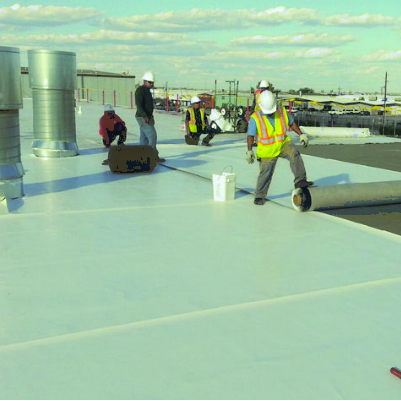
TPO roofing is one of the most common flat roofing options in Tampa. It typically falls in the lower to mid-range of pricing due to its ease of installation and energy-efficient reflective surface. EPDM roofing offers similar pricing but may require additional coatings to improve heat resistance.
Built-up roofing systems tend to cost more because they use multiple layers, which increases both material and labor expenses. However, they provide strong waterproofing and durability. Metal roofing systems generally fall on the higher end of the price range. A qualified metal roofing contractor in Miami or similar coastal markets often recommends metal systems for their long lifespan and resistance to extreme weather.
How Roof Size Impacts Total Cost
Roof size plays a major role in determining overall project cost. Larger roofs require more materials, more labor, and longer installation times. However, cost per square foot may decrease slightly for larger projects due to economies of scale.
Commercial properties such as warehouses, office buildings, and retail centers vary widely in size. Accurately measuring the roof area is one of the first steps in estimating the total cost of replacement.
The Role of Tear-Off and Disposal
Tear-off and disposal of the existing roofing system can significantly affect pricing. Removing old materials requires additional labor, equipment, and disposal fees. If multiple layers exist, the process becomes more complex and increases overall cost.
In some cases, a new system can be installed over the existing roof, but this depends on structural conditions and local building codes. A professional evaluation helps determine whether full removal is necessary.
Insulation and Energy Efficiency Considerations
Insulation plays a critical role in both cost and performance. Upgrading insulation during replacement can increase upfront expenses but improve long-term energy efficiency. In Tampa’s climate, proper insulation helps regulate indoor temperatures and reduce cooling costs.
Energy-efficient systems often provide long-term savings that offset initial investment. Property owners should consider insulation as part of the overall roofing strategy rather than an optional add-on.
Structural Repairs and Hidden Costs
Roof replacement projects sometimes uncover underlying structural issues. Damage to decking, insulation, or support systems can increase costs beyond initial estimates. Addressing these issues during replacement is essential for ensuring long-term performance.
Ignoring structural problems can lead to future repairs and higher expenses. This is why working with an experienced contractor is important when evaluating project scope.
Regional Comparisons and Cost Awareness
While pricing varies by location, understanding regional differences provides useful context. For example, property owners seeking affordable roofing in St. Petersburg may encounter slightly different pricing due to labor and material availability. Similarly, complex projects handled by a professional roofing contractor in Ft Lauderdale may involve additional considerations related to coastal conditions.
In areas such as Sarasota, delayed maintenance often leads to higher costs, especially when extensive roof-leak repairs are required before replacement. Orlando markets may also see pricing variations depending on building size and demand for roof replacements.
How to Estimate the Right Budget
Accurate budgeting requires a detailed assessment of the roof’s condition, material selection, and project scope. Property owners should request comprehensive estimates that outline materials, labor, timelines, and warranty coverage.
Comparing multiple estimates helps identify realistic pricing and avoid unexpected costs. A clear understanding of project requirements ensures better financial planning and decision-making.
Long-Term Value Over Initial Cost
The lowest price does not always provide the best value. Roofing systems that perform well in Tampa’s climate often reduce maintenance needs and extend lifespan. Investing in durable materials and proper installation helps avoid frequent repairs and operational disruptions.
A well-executed replacement project delivers consistent performance, improved energy efficiency, and long-term cost savings.
Make a Smart Roofing Investment
If you are evaluating the cost of a commercial roofing in Tampa, focus on long-term performance rather than short-term pricing. Rhino Commercial Roofers provides practical guidance and reliable solutions tailored to Florida’s climate.
Schedule your consultation today and take the next step toward a roofing system that delivers lasting value and dependable protection.