
Selecting the right single-ply membrane is critical for long-term performance in Florida’s climate. Commercial roofing systems must withstand UV exposure, heavy rainfall, and temperature fluctuations while maintaining efficiency and durability.
TPO and EPDM roofing are two widely used options, each with distinct advantages depending on building requirements and environmental conditions.
1. What Are TPO and EPDM Roofing Systems?
TPO (Thermoplastic Polyolefin) is a single-ply membrane made from a blend of polypropylene and ethylene-propylene rubber. It is heat-welded at seams, creating a continuous, watertight surface.
EPDM (Ethylene Propylene Diene Monomer) is a synthetic rubber membrane installed using adhesives, ballast, or mechanical fastening. It is known for flexibility and long-term weather resistance.
Both systems are commonly used in flat roofing applications due to their lightweight structure and ease of installation.
Quick Answer: Which Is Better for Florida?
TPO is generally better for heat resistance and energy efficiency, while EPDM offers superior durability and flexibility in varying weather conditions.
The choice depends on priorities such as energy savings, installation budget, and expected lifespan.
2. Durability and Weather Resistance
TPO durability:
TPO membranes resist UV radiation, algae growth, and chemical exposure. Heat-welded seams reduce the risk of leaks, especially during heavy rainfall.
EPDM durability:
EPDM is highly flexible and performs well under thermal expansion and contraction. It is less prone to cracking over time, making it reliable in fluctuating temperatures.
Key comparison:
- TPO: Strong seam integrity, moderate flexibility
- EPDM: High flexibility, proven long-term lifespan
- Both: Designed for years with proper maintenance
3. Heat Resistance and Energy Efficiency
TPO is designed for reflective performance.
It typically features a white surface that reflects sunlight, reducing heat absorption and lowering indoor cooling demands.
EPDM absorbs heat.
Standard EPDM membranes are black, which increases heat retention. While this may benefit colder climates, it can increase cooling costs in Florida.
Energy comparison:
- TPO: Reflective, supports energy efficiency
- EPDM: Absorptive, may increase HVAC load
- TPO is often preferred for buildings aiming to reduce operational energy costs
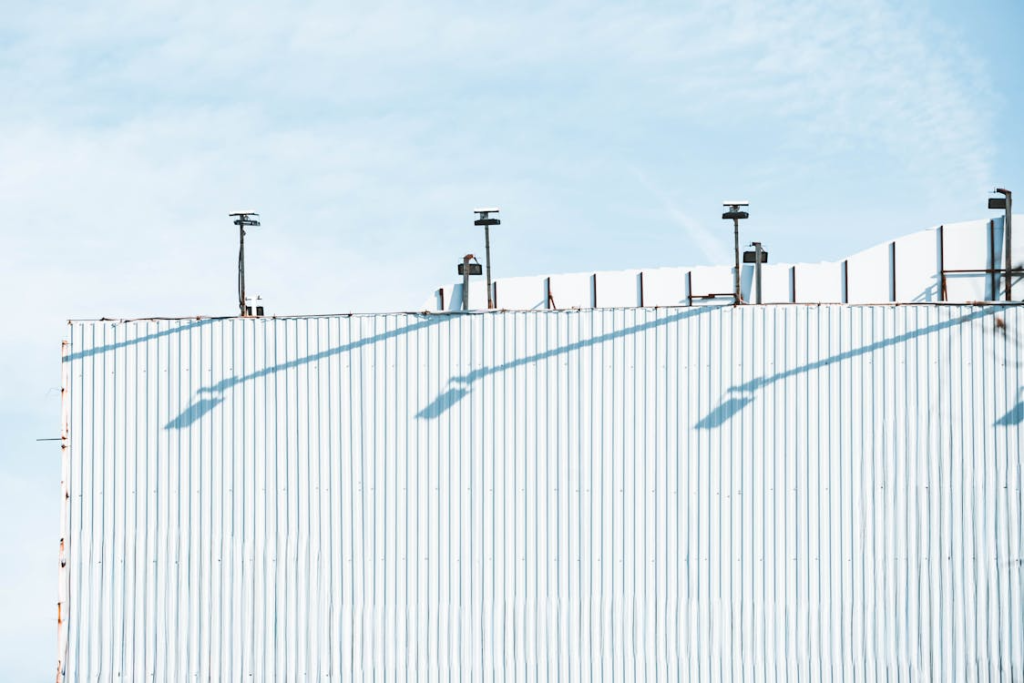
Image file name: Commercial-roofing
Image Alt text: An image of a building roof
Image Caption: EPDM rubber roofing demonstrating flexibility and weather resistance
4. Installation Process and Performance
TPO installation involves heat welding.
Seams are fused using hot air, creating a strong bond that minimizes water penetration.
EPDM installation relies on adhesives or fasteners.
This method allows flexibility but may require more attention to seam integrity over time.
A professional roofing contractor ensures correct installation regardless of system type, which directly impacts performance and longevity.
5. Maintenance and Repair Considerations
TPO maintenance:
Requires periodic inspection of seams and surface wear. Repairs typically involve re-welding or patching.
EPDM maintenance:
Simpler to repair using adhesive patches. Its flexibility makes it easier to manage minor damage.
Quick comparison:
- TPO: Slightly more technical repairs
- EPDM: Easier patching process
- Both benefit from routine roof inspection serviceto prevent issues
6. Cost and Long-Term Value
TPO typically has a higher upfront cost but better energy savings.
Its reflective properties can reduce utility expenses, offering long-term value.
EPDM is generally more affordable initially.
It provides a cost-effective solution for large commercial properties but may lead to higher energy costs in warmer climates.
7. Comparison Table: TPO vs EPDM
| Feature | TPO Roofing | EPDM Roofing |
| Material Type | Thermoplastic membrane | Synthetic rubber membrane |
| Heat Resistance | High (reflective surface) | Moderate (absorbs heat) |
| Durability | Strong seams, UV resistant | Highly flexible, long lifespan |
| Installation | Heat-welded seams | Adhesive or mechanically fastened |
| Maintenance | Moderate | Low |
| Cost | Medium to high | Low to medium |
| Best Use Case | Energy-efficient buildings | Budget-conscious projects |
8. How to Choose the Right System
The best choice depends on building requirements and performance goals.
Consider the following:
- Choose TPO for energy efficiencyand heat resistance
- Choose EPDM for flexibility and lower upfront cost
- Evaluate roof size, insulation needs, and maintenance plans
- Ensure proper roof installationto maximize system lifespan
A qualified contractor evaluates these factors to recommend the most suitable system.
9. Why Climate-Specific Selection Matters
Florida’s climate places continuous stress on roofing systems. UV exposure, humidity, and storms accelerate wear and increase the risk of leaks.
Selecting the right membrane reduces the likelihood of frequent roof repair and extends the lifespan of the roofing system.
10. Final Considerations for Property Owners
TPO and EPDM both provide reliable solutions for commercial roofing, but their performance varies based on environmental demands and building design.
Understanding material behavior, installation methods, and long-term costs allows property owners to make informed decisions that balance durability and efficiency.
Ready to Plan Your Commercial Roofing Project?
Choosing between TPO and EPDM roofing requires expert evaluation and precision. Rhino Commercial Roofing delivers reliable commercial roofing, expert roof installation, and efficient roof repair solutions designed for Florida conditions.
Schedule a professional roof inspection service in St. Petersburg today to ensure your system performs efficiently and withstands long-term environmental stress. Reach out now.