
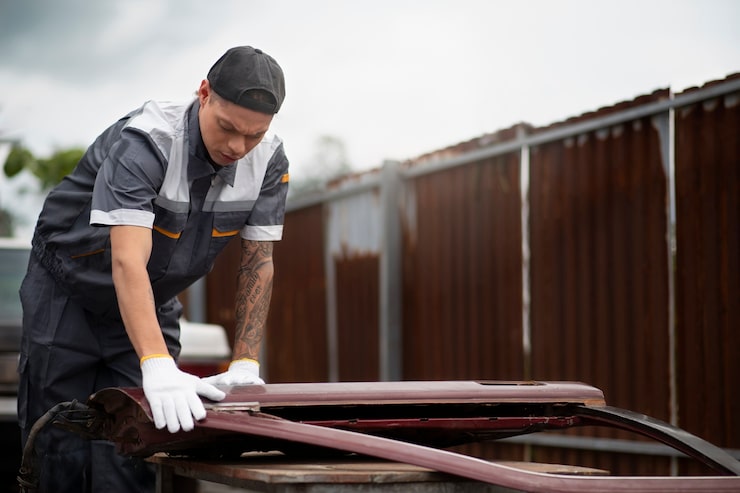
Storm damage impacts commercial roofs through wind uplift, flying debris, and water intrusion. The hurricane wind uplift roof damage repair process addresses how high-pressure winds separate membranes, damage seams, and weaken structural layers. Water intrusion often follows, causing insulation saturation and interior leaks that require immediate attention. These conditions can also accelerate mold growth, compromise structural decking, and increase restoration complexity if not addressed promptly after storm events.
What Should Property Owners Do Before a Hurricane Hits?
Before a storm, property owners should secure loose rooftop equipment, clear drainage systems, and schedule a pre-storm inspection. A documented roof condition report helps establish baseline evidence. This preparation reduces confusion after the storm and supports faster insurance processing if damage occurs.
How Does Hurricane Wind Uplift Damage Roofing Systems?
Wind uplift creates pressure differences that pull roofing materials upward, loosening seams, fasteners, and membranes. This type of damage is especially common on flat and low-slope roofs. The hurricane wind uplift roof damage repair process often involves re-securing membranes, replacing damaged sections, and reinforcing attachment systems.
Why Is Flying Debris a Serious Roofing Risk?
Flying debris can puncture membranes, crack flashing, and damage rooftop equipment. Even small impacts can create entry points for water infiltration. These punctures often expand during rainfall, leading to larger structural concerns that require immediate repair or partial system replacement.

How Does Water Intrusion Impact Commercial Roofs?
Water intrusion affects insulation, decking, and interior building systems. Once moisture enters the roofing assembly, it can spread quickly and weaken structural integrity. Standing water also accelerates material deterioration and increases the likelihood of long-term repair needs if not addressed promptly.
What Should Be Done Immediately After Storm Damage?
After a storm, property owners should document visible damage, take photographs, and contact a qualified contractor for inspection. Temporary protective measures such as tarping may be necessary to prevent further water entry. Early response helps reduce secondary damage and stabilizes conditions.
Why Is Damage Documentation Important for Insurance Claims?
Accurate documentation supports insurance claims by providing clear evidence of pre- and post-storm conditions. Photos, inspection reports, and written assessments help establish the scope of loss. Proper records improve claim accuracy and reduce delays during the approval process.
How Do Insurance Claims Work After Roof Damage?
Insurance claims typically begin with a damage assessment, followed by an adjuster inspection and repair estimates. Contractors often assist in preparing documentation and scope reports. Clear communication between property owners, insurers, and roofing professionals helps streamline claim resolution and funding approval.
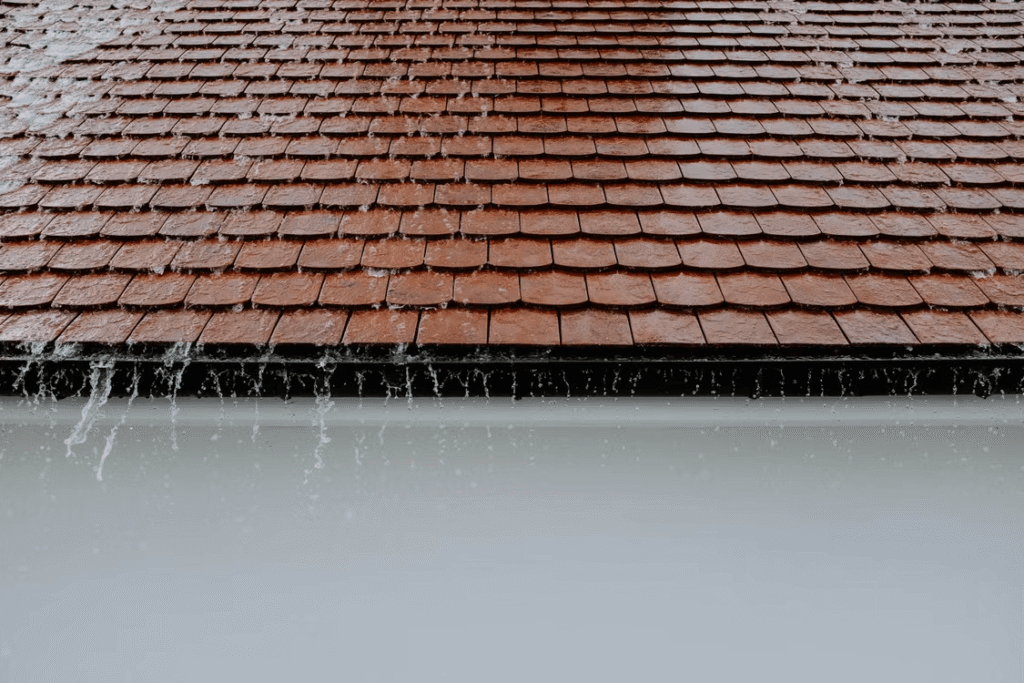
When Should a Roof Be Repaired Instead of Replaced?
Repair is suitable when damage is localized, and the overall system remains structurally sound. Replacement is recommended when widespread membrane failure, insulation saturation, or repeated storm damage occurs. A professional evaluation determines whether hurricane wind uplift roof damage repair is sufficient or if full replacement is required.
How Do Contractors Assess Storm Damage?
Contractors inspect membranes, seams, flashing, drainage systems, and structural components. They identify wind uplift zones, puncture points, and moisture intrusion areas. Detailed inspection reports help determine repair scope, material needs, and project timelines for restoration work.
What Happens During Emergency Roof Stabilization?
Emergency stabilization involves temporary repairs such as patching leaks, securing loose materials, and installing protective coverings. These steps prevent additional damage while permanent repairs are planned. Quick stabilization is essential to protect building interiors and maintain safety.
How Is Full Roof Restoration Completed After a Storm?
Restoration begins with damage removal, followed by structural repair, insulation replacement, and membrane installation. Contractors ensure all systems meet performance standards before final inspection. The goal is to restore the roof to pre-storm condition or better, depending on material upgrades.
How Can Property Owners Reduce Future Storm Damage Risk?
Preventive maintenance, regular inspections, and reinforcement of vulnerable areas reduce storm damage risk. Strong drainage systems and secure fastening methods improve resistance to wind uplift. Ongoing maintenance helps extend roof lifespan and improve storm performance over time.
What Role Does Maintenance Play in Storm Recovery?
Maintenance records help establish roof condition before storms and support faster insurance claims. Consistent upkeep reduces vulnerability to wind and water damage. Buildings with strong maintenance histories often recover faster and experience fewer long-term issues after storms.
Why Is Professional Evaluation Necessary After Hurricanes?
Professional evaluation ensures hidden damage is identified and properly addressed. Wind uplift and water intrusion can create unseen structural issues that worsen over time. Expert assessments provide accurate repair recommendations and prevent future roofing failures. These evaluations also help determine insurance eligibility, prioritize urgent repairs, and support safer long-term building performance decisions after severe weather events.
How Can Businesses Improve Storm Preparedness?
Businesses can improve preparedness by scheduling inspections, securing rooftop equipment, and maintaining drainage systems. Emergency response plans also help reduce downtime after storms. Proactive preparation minimizes damage severity and improves recovery efficiency. It also strengthens overall roof resilience, reduces repair costs, and ensures faster operational recovery following hurricane events and extreme weather conditions.
What Is the Best Approach to Storm Damage Recovery?
Storm recovery requires a structured response, accurate documentation, and professional repair planning. The hurricane wind uplift roof damage repair process helps restore structural integrity after severe weather events.
For long-term protection, Rhino Commercial Roofing supports property owners through commercial roofing, roof maintenance, and inspection in Tampa, helping improve resilience, reduce future risk, and strengthen building performance after storm events. Contact us today.