
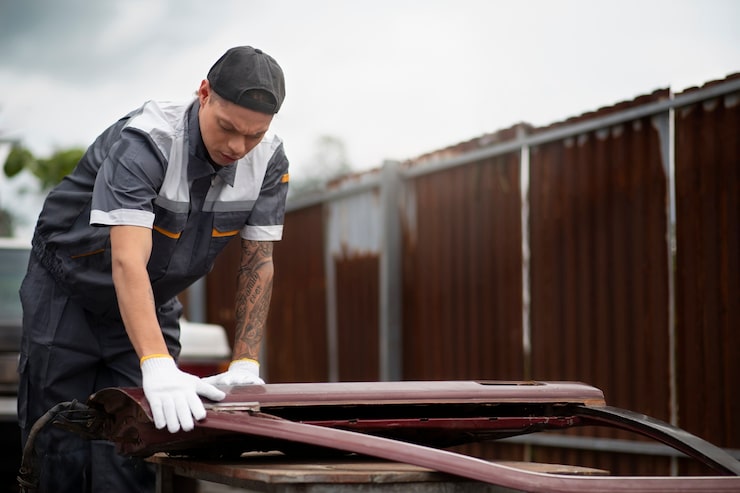
The choice between commercial roof replacement vs restoration should be made after the existing roof has been evaluated, not from age alone. Some roofs have localized defects that can be repaired and protected with a restoration system, while others have widespread moisture, deteriorated materials, or compromised deck conditions that make removal and replacement necessary. Our commercial roof coating options can be part of a restoration strategy when the roof is a suitable candidate.
For a property owner researching roof replacement in Fort Lauderdale, the important question is not whether restoration sounds less disruptive. It is whether the existing assembly provides a sound base for the proposed work and whether the chosen approach addresses the actual cause of deterioration. Moisture testing, deck condition, membrane attachment, drainage, flashing details, and the extent of damage all influence that decision.
What Full Roof Replacement Involves
A full replacement generally involves removing the existing roof materials to the required level, evaluating the exposed substrate or deck, correcting unsuitable conditions, and installing a new roof assembly. Tear-off can reveal wet insulation, corrosion, damaged decking, or previous repairs that were not visible from the surface. It also creates an opportunity to review insulation, drainage, penetrations, edge details, and attachment as part of the new system design.
Florida code provisions can make existing conditions particularly relevant to reroofing decisions. Florida Building Commission material addressing recovering versus replacement states that existing roof conditions and code requirements affect whether a new covering can be installed over an existing one. Building owners should have the current project evaluated against the code in force for the location rather than relying on a generic reroofing rule.
Replacement also gives the project team a chance to address details that may have limited the previous roof. Tapered insulation can be considered where drainage improvements are needed, penetrations can be reworked, and edge or flashing conditions can be integrated into the new assembly. These opportunities do not mean replacement is automatically superior, but they become relevant when underlying conditions already require substantial removal.
What Roof Restoration Can Involve
Restoration keeps more of the existing roof assembly in place while addressing defects and adding protective measures appropriate to the system. Work can include localized repairs, seam or flashing treatment, cleaning and preparation, and a compatible roof coating. In other situations, a retrofit system may be appropriate. The key condition is that the roof underneath the restoration work must be able to support the proposed system and meet its installation requirements.
That distinction is important for owners comparing restoration with roof repair in Sarasota. A repair may address a particular leak or damaged area, while restoration is a broader project intended to renew a suitable roof surface. Neither approach should be used to conceal saturated insulation, unstable substrate, significant deck deterioration, or recurring drainage problems that need separate correction.
A restoration project still requires disciplined preparation. Surfaces may need cleaning, damaged areas must be repaired, incompatible materials may need special treatment, and details can require reinforcement before a coating or other restoration layer is applied. Weather conditions during installation also matter because many liquid-applied products have limits for temperature, humidity, surface moisture, and cure time. Product-specific instructions should control those decisions.
Roof Condition Is the Deciding Factor
Condition assessment should drive the choice. A roof with isolated defects and a largely sound assembly may present very different options from a roof with widespread trapped moisture or structural concerns. FacilitiesNet notes that decisions among repair, replacement, and restoration should consider roof condition and facility goals rather than treating these paths as interchangeable. The exact investigation method should match the roof type and suspected problem.
Compare Disruption, Future Maintenance, and Project Goals
Once technical suitability is established, property owners can compare how each option affects building operations and future roof management. Replacement may require more removal, material staging, temporary protection, and coordination around occupied areas. Restoration can sometimes reduce demolition, but it still requires surface preparation, repairs, safe access, weather planning, and curing or installation time. Neither option should be chosen solely because it appears easier on paper.
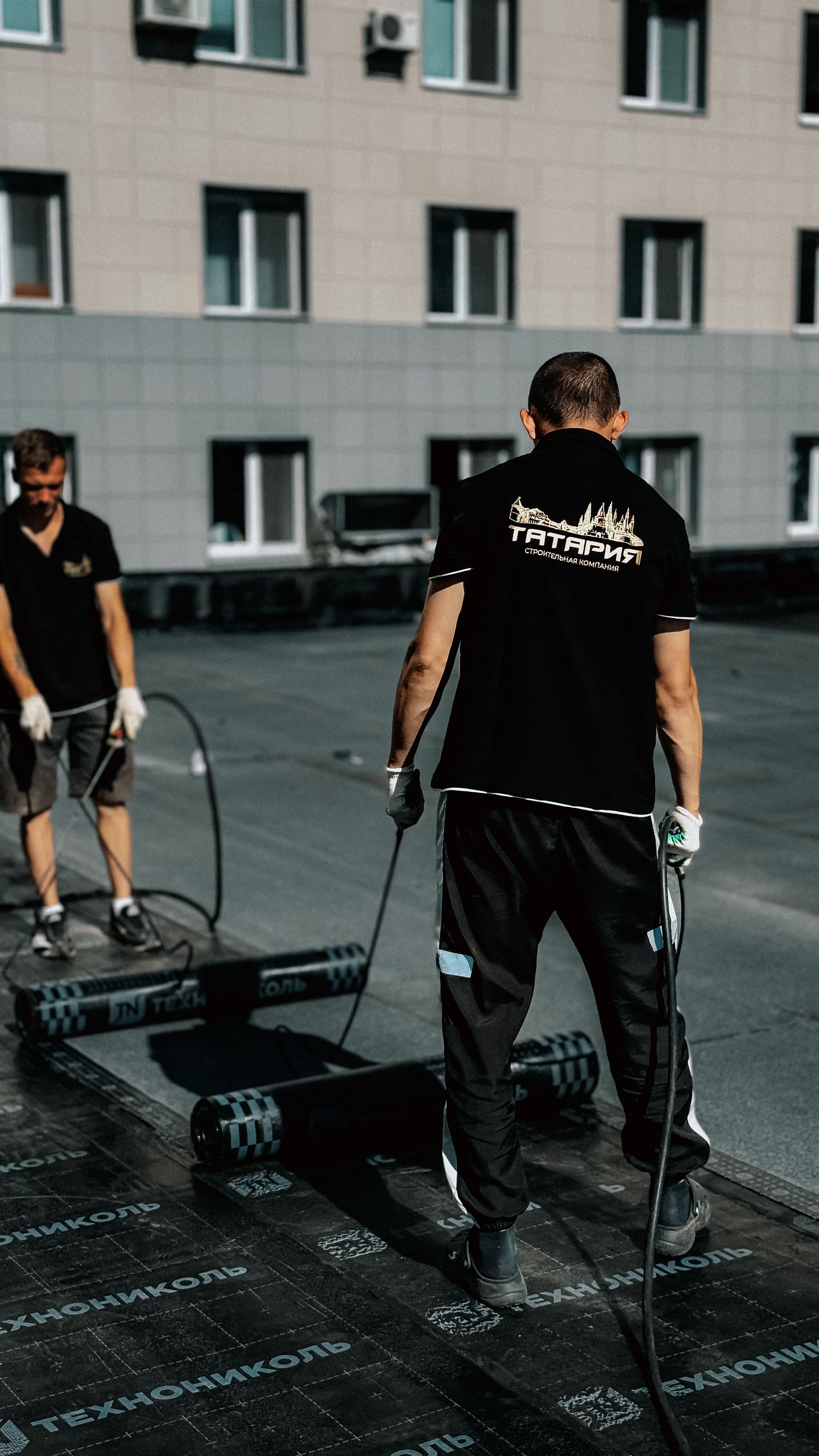
Long-term maintenance also deserves equal weight. The National Roofing Contractors Association emphasizes visual inspection, moisture evaluation, flashings, drainage, and leak investigation in its roof repair and maintenance guidance. A replacement roof still requires ongoing care, and a restored roof needs inspection of repaired details and coating conditions. Owners should compare the full management plan for each option, not just the construction phase.
Budget planning is more useful when it includes future work rather than only the immediate project. Owners can compare expected inspection needs, repair access, coating renewal where applicable, warranty obligations, rooftop traffic, and the likely timing of the next major intervention. A technically suitable restoration may align well with one ownership plan, while replacement may make more sense for a property being held for a longer period or for a roof with extensive underlying deterioration. Insurance requirements, tenant schedules, planned capital improvements, and future rooftop equipment changes can also affect project timing and scope. Those constraints should be documented before the final roofing approach is selected.

Start With an Accurate Evaluation
A reliable decision begins with evidence from the roof. Owners seeking roof inspection services in Sarasota should expect the evaluation to consider visible surface condition, seams, flashing, penetrations, drainage, signs of moisture, and any areas that may need deeper investigation. Our commercial roof inspection service is designed to help identify conditions that can shape repair, restoration, retrofit, or replacement planning.
The same principle applies to roof replacement in Orlando. We do not treat coating, repair, or replacement as automatic answers before the roof is assessed. When restoration is technically appropriate, our coating services can provide a protective path for suitable existing roofs. Property owners can review our commercial roof coating options and contact our team to discuss whether the current roof conditions support restoration or point toward a different solution.