

A consistent plan for commercial roof maintenance in Florida gives property owners a structured way to watch the roof instead of waiting for an interior leak to announce a problem. Maintenance should combine scheduled inspections, drainage checks, attention to seams and flashings, timely repairs, documentation, and follow-up after significant weather. Our commercial roof maintenance services are built around the idea that roof condition should be monitored and addressed as part of normal property management.
Owners looking for roof inspection services in Orlando should think of inspection as one element of that larger routine. An inspection can identify visible conditions at a particular point in time, while maintenance turns those observations into action and records what changes from one visit to the next. The strongest program is organized enough to make recurring trouble spots, drainage issues, and previous repairs easy to track. Clear records also make it easier to brief contractors before future roof work begins.
What a Commercial Roof Maintenance Program Should Cover
A maintenance program should begin with a roof-specific checklist rather than a generic walkover. The National Roofing Contractors Association includes roof slope and drainage, decks, insulation, flashings, visual inspections, moisture surveys, and leak-finding methods in its roof repair and maintenance training. For property owners, that translates into checking the membrane or metal surface, perimeter details, penetrations, rooftop equipment interfaces, drains, scuppers, gutters where present, and areas with a history of leakage.
Documentation makes those inspections more useful. Photos, roof plans, notes on repair locations, dates, observed moisture, and information about rooftop work create a record that can be compared over time. After contractors for HVAC, electrical, plumbing, or communications equipment have accessed the roof, the affected areas may also deserve attention because tools, fasteners, foot traffic, and new penetrations can introduce damage that is unrelated to normal weathering.
Scheduling should also account for events that can change roof condition quickly. Significant storms, construction work near the roof, new rooftop equipment, and repeated service traffic can justify an additional inspection rather than waiting for the next routine interval. Manufacturer warranty requirements may also specify inspection or maintenance responsibilities, so owners should keep those documents with the roof records and make sure maintenance practices do not conflict with them.
Inspect Seams, Flashings, and Penetrations
Seams, flashings, penetrations, curbs, edges, and transitions concentrate movement and detailing, so they deserve deliberate inspection. Loose or open seams, displaced flashing, failed sealant, punctures, corrosion, or damage around rooftop equipment can create water-entry paths even when the main roof field appears serviceable. Prompt attention to these details can keep a localized defect from becoming a larger wet area.
This is why a request for roof leak repair in Orlando should include an effort to trace the source rather than simply treating the first visible interior stain. Water can travel within insulation or along deck and structural components before it appears inside. A professional assessment may need to consider nearby penetrations, seams, drainage paths, previous repairs, and moisture beyond the visible leak location.
Keep Drainage Components Clear
Water management is central to low-slope roof performance. Drains, scuppers, gutters, downspouts, and the roof surface around them should remain free of debris so water can reach the intended drainage points. NRCA library material on roof drainage design describes effective drainage as critical for managing water and preventing accumulation that can damage roofing systems and structures. Maintenance cannot correct an improperly designed drainage system, but it can keep functional components from being obstructed by preventable debris.
Drainage observations should be documented, not just cleared and forgotten. Repeated debris at the same drain, persistent water after normal drying time, stains around a scupper, or recurring ponding in one area can point to a condition that deserves closer review. Maintenance personnel should avoid making structural or drainage modifications without proper evaluation, but they can flag patterns early so the right professional can determine whether cleaning, repair, or design correction is needed.
Use Repairs and Coatings Strategically
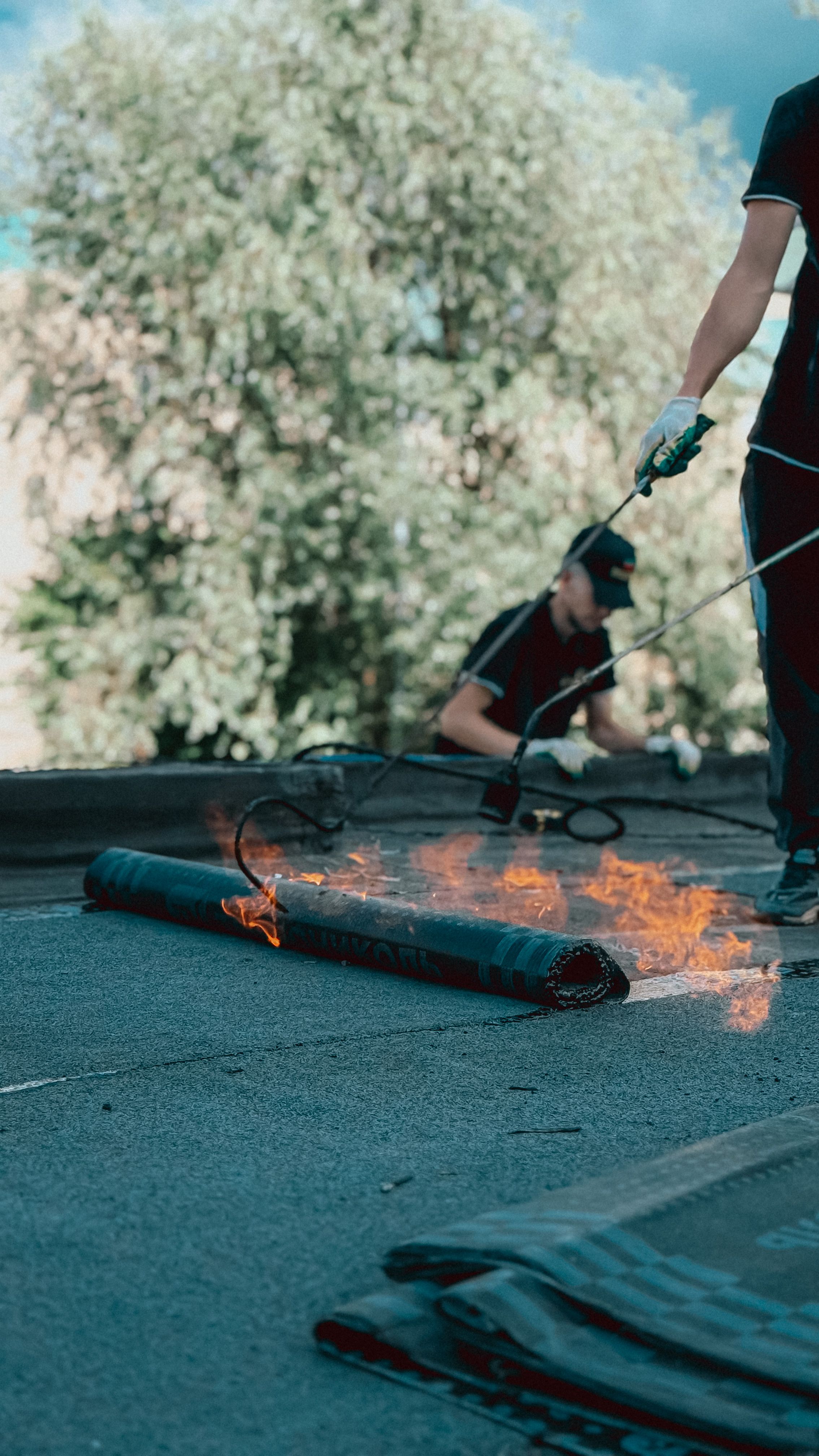
Maintenance findings should lead to the right level of response. Small punctures, isolated seam defects, loose flashing, or localized material damage may call for repair compatible with the existing roof system. More widespread weathering can justify evaluating a restoration coating when the underlying roof is still a suitable candidate. Coating should follow cleaning, preparation, and required repairs rather than being used to cover active defects or trapped moisture.
IIBEC published a case study describing a preventive roof maintenance program that included periodic inspections, debris removal, drainage clearing, defect repairs, moisture scans, and documentation. Its maintenance program example illustrates why maintenance works best as a repeatable process rather than a one-time response. The exact schedule should reflect the roof system, warranty requirements, building use, weather exposure, and findings from previous inspections.
Small repairs should also be checked after completion. A patch that solves an immediate leak can still benefit from follow-up to confirm adhesion, drainage, and surrounding material condition. If the same area repeatedly needs attention, the maintenance record helps show that the problem may be broader than one isolated defect. That history can support a better decision about more extensive repair, restoration, retrofit, or replacement.
Turn Maintenance Into a Long-Term Routine
Property owners arranging roof repair in Miami can use each repair as a maintenance data point. The location, cause, repair method, and surrounding roof condition should inform what receives extra attention at the next inspection. Our commercial roof repair services can address identified defects while helping owners understand where continued monitoring may be appropriate.
For businesses comparing roofing services in Fort Lauderdale, consistency matters as much as a single visit. We provide commercial maintenance, inspection, repair, coating, retrofit, and roofing system services across our Florida service areas. A property owner ready to turn scattered roof attention into a repeatable plan can learn about our roof maintenance services and speak with our team about the condition and priorities of the existing roof.