
Replacing a commercial roof is a significant investment that affects a building’s protection, maintenance requirements, and daily operations. For business owners and facility managers, successful planning involves more than selecting materials and scheduling an installation crew. The existing roof must be evaluated, the appropriate system selected, and the project organized around the property’s operational needs.
In Florida, intense sunlight, heavy rainfall, humidity, and seasonal storms make roofing decisions particularly important. Understanding each stage of the replacement process helps property owners set realistic expectations, prepare for potential challenges, and make informed decisions about their investment.
Step 1: Assess the Existing Roof’s Condition
Before planning a replacement, determine whether the existing roof has reached the end of its service life or whether repairs or restoration could provide a practical alternative. Widespread deterioration, recurring leaks, damaged insulation, and extensive membrane failure may indicate that replacement deserves serious consideration.
A professional inspection should examine the roofing surface, seams, flashing, drainage components, and visible signs of moisture intrusion. The assessment may also include reviewing the roof assembly and identifying areas that require further investigation.
Businesses considering commercial roofing should base replacement decisions on the building’s actual condition rather than assuming every aging roof needs immediate removal. Inspection findings help establish the project scope, identify potential complications, and determine whether the existing roof can support another roofing layer or requires a complete tear-off.
Step 2: Choose the Right Commercial Roofing System
The roofing system selected for a replacement project should match the building’s structure, intended use, budget, and maintenance expectations. Different materials offer different advantages, and no single system is ideal for every commercial property.
Metal roofing can offer durability and weather resistance when properly designed and installed. Panel profiles, protective finishes, fastening systems, and detailing all influence performance. Property owners evaluating a metal roofing contractor in Miami should consider the building’s design and exposure to coastal conditions, including the need for appropriate corrosion resistance.
Flat and low-slope roofing systems are also common on commercial buildings because they accommodate large roof areas and rooftop equipment. Drainage design, membrane compatibility, and seam integrity are important considerations when selecting these systems.
Not every project necessarily requires complete replacement. If the existing roof remains structurally sound and its underlying materials are suitable, a compatible coating or restoration system may be worth evaluating. A professional assessment can help determine whether restoration offers sufficient value or whether deterioration makes replacement the more dependable choice.
Step 3: Establish a Realistic Budget and Project Scope
A commercial roof replacement budget should account for more than the roofing material itself. Labor, removal and disposal, deck repairs, insulation, flashing, drainage improvements, and rooftop equipment detailing may all affect the final cost.
Before approving the project, request a clear scope of work outlining the proposed system, preparation requirements, material specifications, and expected installation stages. The agreement should also explain how unexpected damage will be handled if problems become visible after the existing roof is removed.
Comparing affordable roofing options should involve evaluating the complete project and its expected long-term value, not simply selecting the lowest initial quote. Review material and workmanship warranties, payment schedules, anticipated completion dates, and any maintenance obligations that could affect warranty coverage.
A clearly defined budget also helps property owners distinguish essential work from optional improvements. If drainage upgrades or damaged insulation need attention, addressing them during replacement may be more practical than leaving known problems unresolved.
Step 4: Plan Around Daily Business Operations
A roofing replacement can affect employee access, deliveries, customer parking, noise levels, and the use of areas directly beneath the work zone. Planning these details in advance helps limit unnecessary disruption.
Discuss the proposed schedule with the contractor and identify activities that may interfere with business operations. Where practical, schedule particularly disruptive work during quieter periods or coordinate it around important business activities.
Employees, tenants, and customers should be informed about temporary access restrictions and changes to parking or building entrances. Deliveries may need to be redirected, while sensitive equipment and inventory may require additional protection.
Rooftop equipment also needs careful coordination. HVAC units, ventilation systems, and other installations may require temporary protection or adjustments during the project. Confirm these arrangements before work begins to avoid unexpected interruptions.
Florida’s weather can change quickly, so the schedule should account for possible delays caused by heavy rain or unsuitable installation conditions. Businesses planning commercial roofing projects should discuss how the contractor will protect exposed areas if work cannot be completed as scheduled.
Step 5: Prepare the Site Before Tear-Off
Before removing the existing roof, the contractor and property manager should confirm that the site is ready for work. This includes coordinating material deliveries, identifying equipment locations, establishing restricted areas, and planning debris removal.
The building’s contents and sensitive equipment should be protected where necessary. Occupants should understand which areas may experience noise, vibration, or temporary access restrictions. Clear communication between the contractor and facility manager helps prevent confusion as the project progresses.
The contractor should also establish procedures for protecting the building if the roofing system cannot be fully removed and replaced in a single working period. Exposed roofing materials must be managed carefully to reduce the risk of water entering the building.
Step 6: Remove the Existing Roof and Evaluate the Deck
During a full replacement, the existing roofing materials are removed according to the agreed project scope. Once the underlying assembly is exposed, the contractor can assess the roof deck and other components that were not fully visible during the initial inspection.
The deck should be checked for corrosion, deterioration, moisture damage, and other defects that could affect the new system. Insulation and related components should also be evaluated for signs of damage or trapped moisture. Any compromised sections may require repair or replacement before installation proceeds.
Drainage details deserve attention during this stage because the exposed roof provides an opportunity to identify problems that may have contributed to previous leaks or water accumulation.
If unexpected damage is discovered, the contractor should document the findings and discuss the necessary work and associated costs with the property owner before proceeding with additional repairs. A sound substrate is essential to the performance of the replacement system, and installing new materials over damaged components can undermine the investment.
https://rhinocommercialroofers.com/epdm-roofing-tampa/
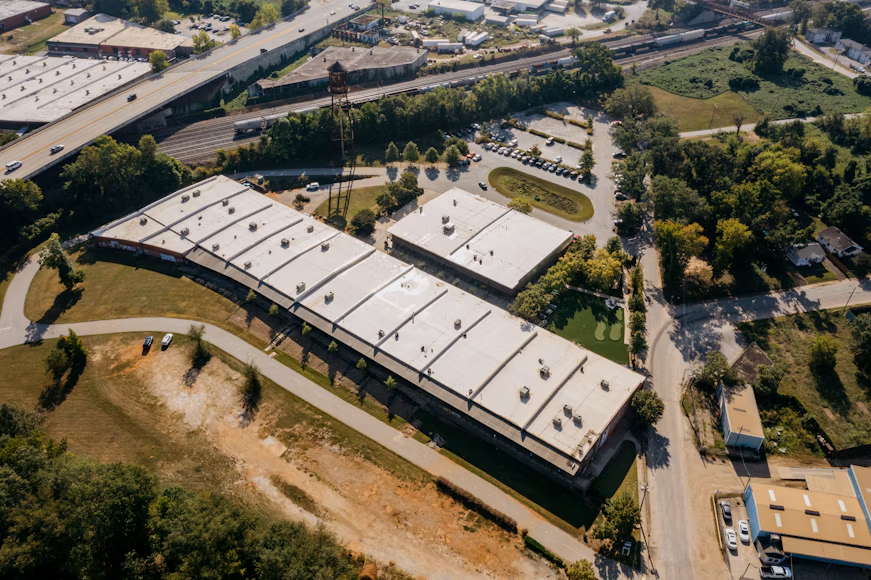
File Name: commercial-roof
Alt-Text: This photo shows a commercial roof.
Caption: Attention to installation details contributes to dependable roofing performance and weather protection.
Step 7: Install the New Roofing System
Once the deck and underlying components are ready, installation can begin according to the manufacturer’s requirements and the approved project specifications.
The process depends on the selected roofing system. It may involve installing insulation, preparing the substrate, securing membranes or metal panels, sealing seams, and completing flashing around roof penetrations and edges. Attention to detail is particularly important at drains, equipment supports, transitions, and other locations where water could enter.
Property owners working with a professional roofing contractor in Tampa should confirm that the installation plan addresses these details and includes appropriate quality checks throughout the project.
Weather conditions also influence installation. Materials must be applied or secured according to the manufacturer’s specifications, including relevant temperature, moisture, and curing requirements. If conditions become unsuitable, work may need to pause until installation can continue properly.
Step 8: Complete the Final Inspection and Documentation
A replacement project should conclude with a thorough review of the completed roofing system. The inspection should verify that the installation follows the agreed specifications and that critical details have been completed properly.
The contractor should check seams, flashing, roof edges, penetrations, and drainage components for visible defects or incomplete work. The site should also be cleared of construction debris, unused materials, and equipment, with affected access routes restored where applicable.
Property owners should collect project documentation, product information, warranty details, and maintenance recommendations. These records help facility managers understand the new system’s requirements and plan future inspections.
https://www.pexels.com/photo/sheet-metal-roofs-of-buildings-17113695/
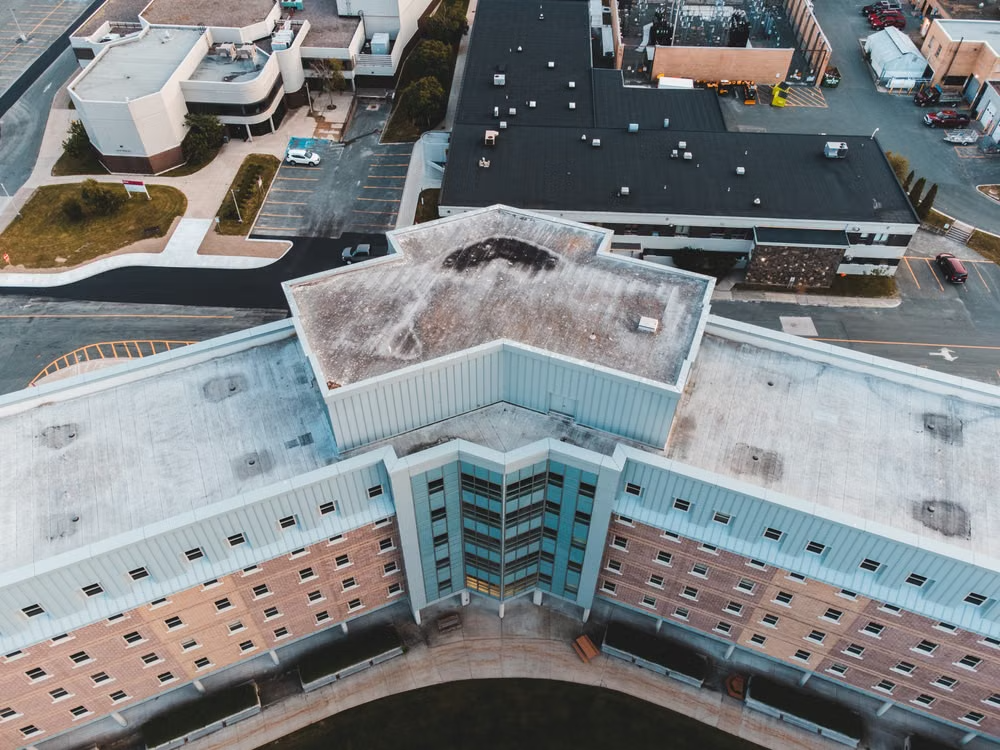
File Name: sheet-metal-roofs-of-buildings
Alt-Text: This photo shows a building with a metal roof.
Caption: Professional roofing services help property owners plan for long-term building protection and maintenance.
Protecting Your Commercial Roofing Investment
At Rhino Commercial Roofing, we provide commercial roofing in Tampa Florida businesses, including roof inspections, repairs, metal roofing, protective coatings, new installations, and complete roof replacements. Our team helps property owners assess existing roof conditions, evaluate suitable options, and plan projects around their building’s requirements.
Contact us today to discuss your commercial roofing project and request a free estimate.