
Warehouse roofs cover large areas and protect valuable inventory, equipment, and daily business operations. Choosing the right system requires more than comparing materials or upfront costs. Building dimensions, drainage requirements, rooftop equipment, and the condition of the existing roof all influence which solution will perform best over time.
This blog explores how warehouse owners can evaluate commercial roofing systems based on their facility’s structure, operational demands, and long-term maintenance requirements.
How Warehouse Size Influences Roofing Decisions
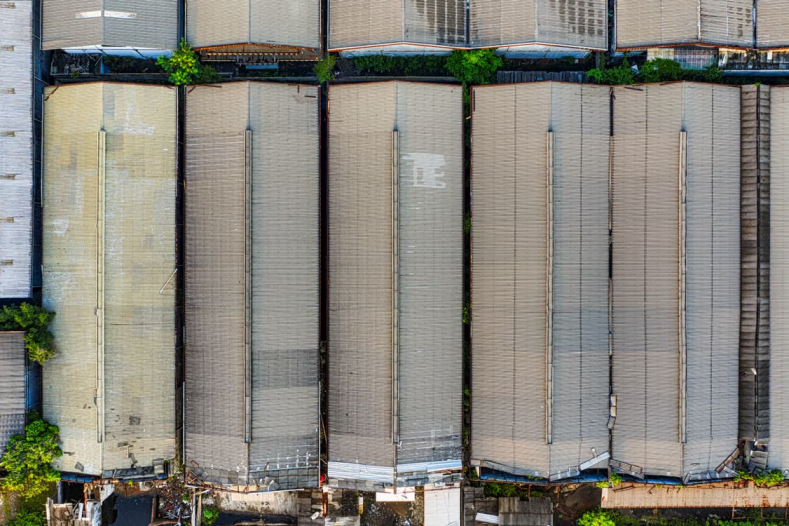
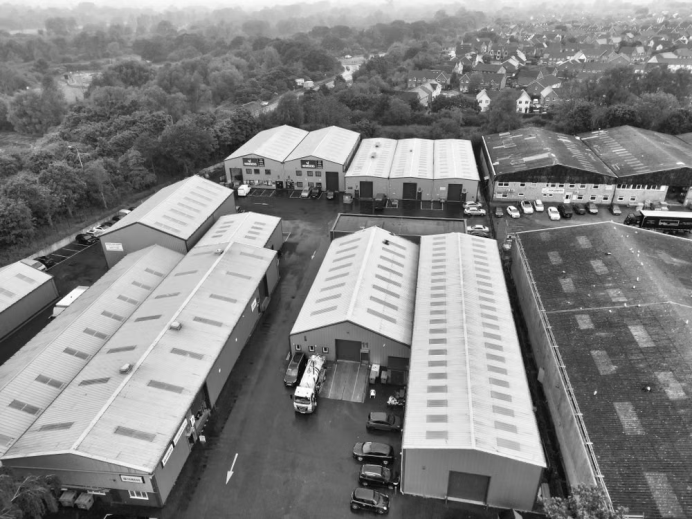
The size and layout of a warehouse directly affect roofing material selection, installation planning, and future maintenance. Large distribution centers often have extensive flat or low-slope roofs, making waterproofing and drainage essential considerations. A small storage facility may have fewer structural complications, while a larger industrial building could require additional planning around expansion joints, roof sections, and supporting structures.
For extensive roof areas, commercial roofing systems such as thermoplastic polyolefin (TPO), ethylene propylene diene monomer (EPDM), and built-up roofing can provide practical solutions. Each offers different performance characteristics, installation requirements, and maintenance considerations.
Matching the Roofing System to Warehouse Operations
A warehouse roof must support the building’s daily activities without creating unnecessary disruptions. Distribution centers operating around the clock may have limited opportunities for extensive roofing work, while facilities with seasonal schedules might have more flexibility.
Installation and replacement projects should account for delivery schedules, inventory storage, employee access, and equipment movement. Phased construction may help keep certain areas operational while work continues elsewhere, depending on the building layout and project requirements.
Material selection also matters. Metal roofing can offer long-term durability, while membrane systems provide practical options for many low-slope commercial buildings. An experienced commercial roofing contractor in Tampa can evaluate the property’s needs and recommend an approach that balances performance with operational demands.
Managing Rooftop Equipment and Access
Warehouse roofs frequently accommodate HVAC units, ventilation equipment, exhaust systems, and other mechanical installations. These features create additional areas where roofing materials may be vulnerable to damage or water intrusion.
Connections around equipment, flashing, penetrations, and seams require particular attention during installation and inspections. Poorly sealed transitions can allow moisture to enter the building, potentially damaging stored products, electrical systems, or interior finishes.
Maintenance access should also be considered when selecting a roofing system. Technicians need suitable routes to reach rooftop equipment without causing unnecessary wear to the roof surface. Depending on the facility, designated walkways or protective pads may help limit damage in frequently accessed areas.
Drainage and Roof Conditions Matter
Large warehouse roofs must handle substantial volumes of rainwater, particularly in Florida, where heavy rainfall and seasonal storms can place significant demands on drainage systems.
Drains, gutters, scuppers, and downspouts must be appropriate for the roof’s design and kept clear of debris. Standing water can increase stress on roofing materials and contribute to premature deterioration, especially when drainage problems remain unresolved.
Professionals offering roof inspection serviceMiami can help identify blocked drains, damaged flashing, membrane deterioration, and areas where water collects. Existing roof conditions also determine whether repairs, restoration, or complete replacement make the most sense.
Comparing Roofing Systems for Long-Term Performance
Choosing a roofing system requires considering its performance throughout its expected service life, not simply its initial installation price.
TPO may suit facilities seeking a reflective, single-ply membrane. EPDM offers flexibility and weather resistance, while built-up roofing provides multiple protective layers. Metal roofing can be appropriate for warehouses requiring a durable system with a different maintenance profile.
The existing roof may also influence the decision. If the structure remains sound, restoration or a compatible retrofit could reduce the need for complete removal. When deterioration is widespread, however, roof replacement in Ft. Lauderdale may provide a more dependable long-term solution.
Protect Your Warehouse With Rhino Commercial Roofing
A warehouse roofing system should reflect the building’s size, operational requirements, drainage design, and existing roof conditions. Rhino Commercial Roofing provides commercial roof installation, replacement, leak repairs, inspections, metal roofing contractor Miami, and protective Aluminum roof coatings Tampa to help businesses maintain dependable roofing systems.
Contact Rhino Commercial Roofing today to discuss your warehouse roofing needs and schedule a professional evaluation.