
Commercial roof coatings can help property owners extend the service life of an existing roofing system, address certain weather-related challenges, and manage long-term maintenance costs. However, not every coating performs the same way, and the condition of the existing roof plays an important role in determining which option makes sense.
For businesses across Florida, intense sunlight, heavy rainfall, humidity, and seasonal storms can put commercial roofing systems under considerable stress. Understanding the differences between aluminum, silicone, and elastomeric coatings can help property owners make more informed decisions about roof maintenance and restoration.
This guide explains how these coating types work, where they may be useful, and what to consider before investing in a commercial roof coating system.
What Are Commercial Roof Coatings?
Commercial roof coatings are liquid-applied materials that form a protective layer over an existing roofing surface. Depending on the product and application, a coating may help reduce weather exposure, protect the underlying material, improve reflectivity, or provide additional resistance to moisture.
Unlike a complete roof replacement, coating an existing roof may preserve much of the current roofing assembly. This can make restoration worth evaluating when the roof remains structurally sound and its underlying materials are suitable for the selected coating.
A coating is not a universal fix for every roofing problem. Extensive deterioration, saturated insulation, persistent water accumulation, and structural damage may require repairs or replacement before a coating can be considered.
https://rhinocommercialroofers.com/silicone-roof-coating-in-tampa/
File Name: silicone-roof-coating
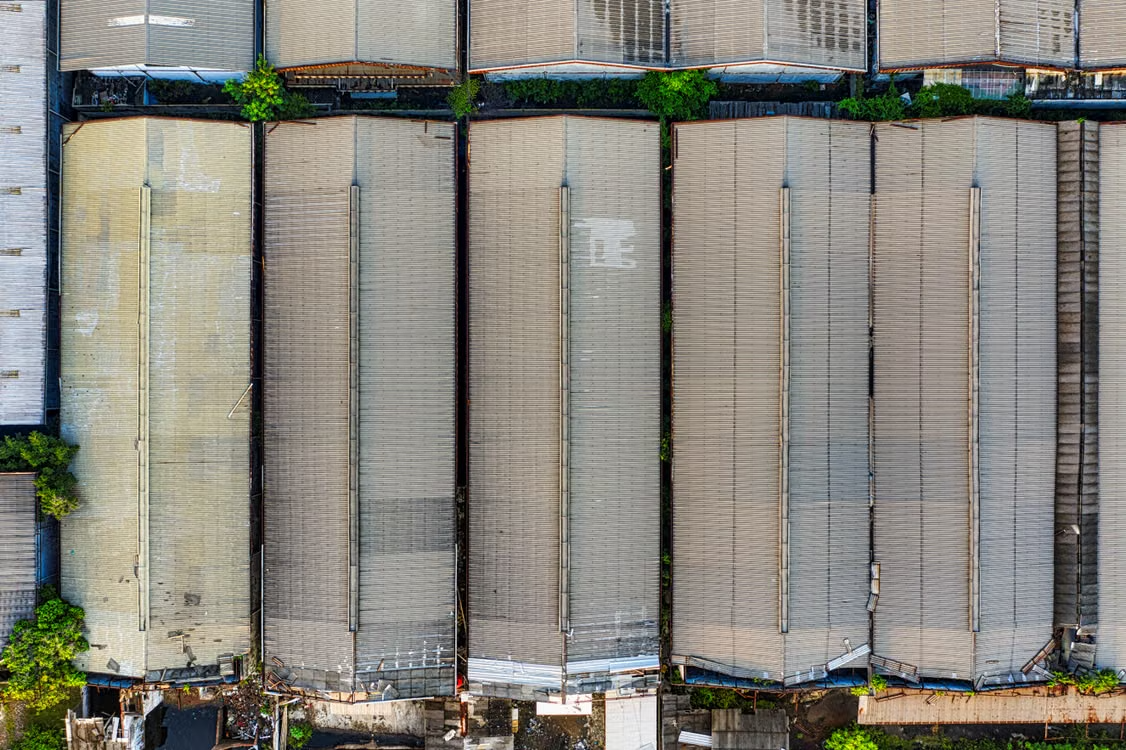
Alt-Text: This photo shows a commercial roof with silicone coating.
Caption: Protective roofing systems can help property owners manage weather exposure and plan for ongoing maintenance.
Understanding the Main Types of Commercial Roof Coatings
Each coating type has different performance characteristics. The most appropriate choice depends on the roof material, drainage conditions, existing damage, exposure to the elements, and the property owner’s long-term objectives.
Aluminum Roof Coatings
Aluminum roof coatings typically contain reflective aluminum pigments suspended in a protective binder. They are commonly used on certain metal and other compatible roofing surfaces, where they can create a reflective finish and help protect the underlying material from weather exposure.
Their reflective properties can be useful on commercial buildings exposed to prolonged Florida sunshine. However, performance varies by product, roof design, surface preparation, and application quality.
Property owners considering aluminum roof coatings in Sarasota should first determine whether their existing roof is compatible with the selected formulation. Aluminum coatings are not automatically appropriate for every roofing membrane or surface, and they should not be assumed to correct leaks or structural problems.
Silicone Roof Coatings
Silicone coatings are valued for their resistance to moisture and their ability to perform under certain challenging weather conditions. Many formulations are designed to withstand prolonged exposure to standing water better than some alternative coating types, although ponding-water suitability must always be verified against the manufacturer’s specifications.
These coatings can be useful for compatible commercial roofs that experience frequent rainfall or have drainage limitations that cannot immediately be eliminated. Their durability still depends on appropriate preparation, application thickness, substrate compatibility, and ongoing maintenance.
For property owners evaluating silicon roof coating Ft. Lauderdale, the first consideration should be the existing roof’s condition and drainage performance. A coating may protect a suitable surface, but it does not eliminate the need to address drainage defects or deteriorated roofing components.
Elastomeric Roof Coatings
Elastomeric coatings are designed to form a flexible layer that can accommodate a degree of movement in the roofing substrate. Depending on their formulation, they may expand and contract with temperature changes while helping protect the roof from weather exposure.
The term elastomeric describes a material characteristic rather than one specific chemical composition. Some elastomeric coatings are acrylic-based, while other coating technologies can also offer flexibility. Consequently, elastomeric and silicone are not always mutually exclusive categories.
These coatings may be considered for compatible roofing systems exposed to changing temperatures and regular sunlight. Before selecting one, property owners should confirm that the product is suitable for the existing roof, expected moisture exposure, and local weather conditions.
https://rhinocommercialroofers.com/aluminum-roof-coating-tampa/
File Name: aluminum-roof-coating
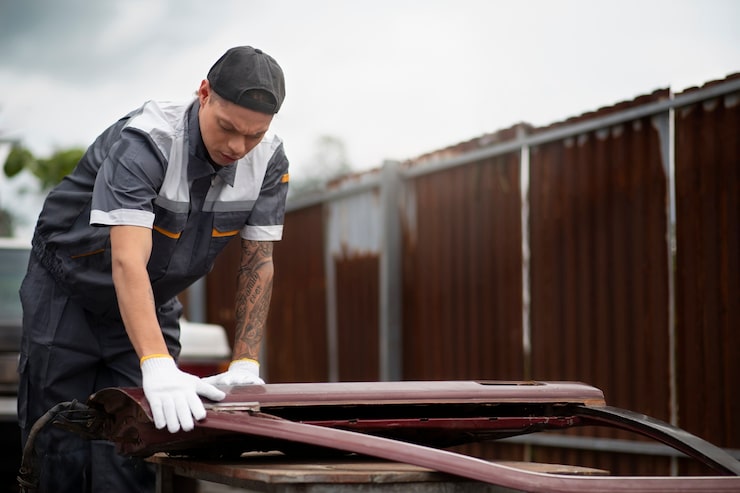
Alt-Text: This photo shows a man working.
Caption: The right roofing materials and application methods contribute to durability, efficiency, and dependable performance.
How to Decide Which Roof Coating Makes Sense
Choosing a coating requires more than comparing product descriptions or focusing on the lowest upfront price. The roof’s current condition, exposure to moisture, and intended service life should guide the decision.
The following considerations can help property owners and facility managers evaluate their options.
Existing Roofing Material
A coating must bond properly to the surface beneath it. Metal roofing, modified bitumen, single-ply membranes, and built-up roofing may require different preparation methods or coating formulations. Compatibility should be confirmed before work begins.
For example, businesses researching commercial roofing may have buildings with very different roofing assemblies, even when both properties experience similar weather conditions. The right solution depends on the individual roof rather than the building’s location alone.
Drainage and Moisture Exposure
Water that remains on a roof for extended periods can accelerate deterioration in some roofing systems. Silicone may be worth considering where standing water is a recurring concern, provided the product is approved for those conditions.
Other coating types may be suitable when the roof drains effectively and the existing surface is in good condition. Regardless of the material, blocked drains, damaged flashing, and underlying moisture problems should be addressed rather than concealed beneath a new coating.
Sunlight and Temperature Changes
Florida’s strong sunlight can contribute to the aging of exposed roofing materials. Reflective coatings may reduce the amount of solar energy absorbed by the roof, while flexible formulations can accommodate some movement caused by temperature changes.
Property owners comparing affordable roofing options in Sarasota should evaluate potential maintenance savings and expected performance alongside the initial cost. A lower-priced product may not provide the best overall value if it is unsuitable for the roof’s conditions.
Budget and Long-Term Plans
A coating may offer a practical alternative to replacement when the existing roof remains serviceable. However, its financial value depends on preparation requirements, repairs, product costs, application thickness, and future maintenance.
If the roof is approaching the end of its useful life or has extensive underlying damage, investing in a new roofing system may be more appropriate. Comparing both options can help owners avoid spending money on restoration when replacement is the more dependable long-term choice.
The Importance of Roof Preparation and Application
Even a high-quality coating can underperform if the roof is not prepared correctly. Application involves more than spreading material across the surface, particularly on commercial properties with multiple roof sections, penetrations, seams, and drainage points.
A professional coating project typically involves several important steps.
1. Inspecting the Existing Roof
The inspection identifies damaged areas, deteriorated seams, loose materials, corrosion, moisture concerns, and drainage problems. Property owners considering roof inspection service in St. Petersburg can use this assessment to understand whether coating is appropriate or whether more extensive work is necessary.
2. Cleaning and Preparing the Surface
Dirt, debris, loose coatings, and other contaminants can interfere with adhesion. The required cleaning method depends on the existing roofing material and the manufacturer’s instructions. Any surface corrosion or deteriorated sections must also be evaluated and treated appropriately.
3. Repairing Vulnerable Areas
Seams, flashing, penetrations, fasteners, and damaged sections need attention before the main coating is applied. A coating should not be expected to compensate for failed components or significant structural deterioration.
4. Applying the Coating System
The installer applies the selected product according to its specified coverage rate, thickness, curing requirements, and weather restrictions. Depending on the system, primers or reinforcing materials may be needed at particular locations.
5. Checking the Finished Surface
Once the coating has cured sufficiently, the completed work should be checked for coverage, consistency, and potential defects. Follow-up inspections and maintenance can help identify developing issues before they compromise the protective layer.
Making an Informed Investment in Commercial Roof Coatings
At Rhino Commercial Roofing, we provide commercial roofing in Tampa tailored to the needs of Florida businesses. Our services include aluminum and silicone roof coatings, elastomeric roof coatings, roof inspections, repairs, maintenance, metal roofing, installations, and complete roof replacements. We assess existing roof conditions to help determine whether restoration or a different roofing solution is the better fit for your property.
Contact our team today to discuss your commercial roofing needs and request a free estimate.