
Property owners often spend significant time evaluating roofing materials and relatively little time planning what happens after installation. In practice, this prioritization tends to be backwards. The condition of a roof at year fifteen has far less to do with which membrane was originally installed than with whether anyone was inspecting it consistently in the years leading up to that point. A well-chosen system that goes unmonitored will develop the same problems as a lower-cost system, just on a different timeline.
For Florida properties, where heat, UV exposure, and storm activity place additional stress on roofing systems year-round, the gap between a maintained roof and a neglected one is likely to be even more significant than these national averages suggest. This is exactly why a consistent roof maintenance program matters as much as the initial system selection.
How Often Should a Commercial Roof Be Inspected?
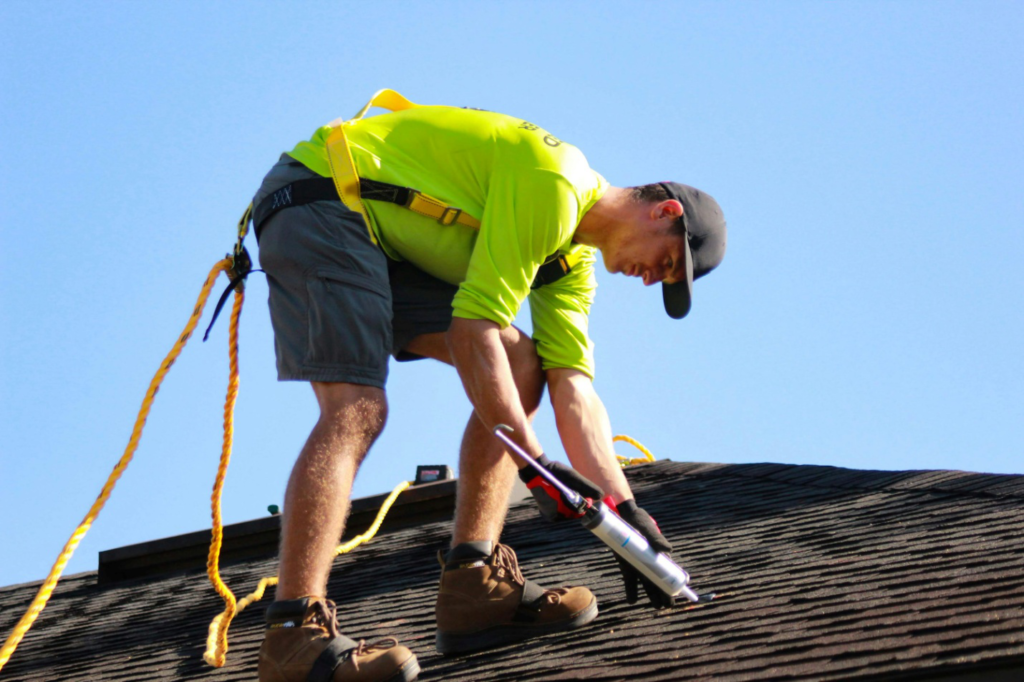
Industry guidance recommends building managers inspect their roof systems at least twice per year, preferably in spring and fall, and additionally after any major weather event such as a large storm or hurricane.
For roofs beyond a certain age, this baseline frequency increases. Professional inspections should occur twice yearly, in spring and fall, plus after major weather events, with older roofs of 10 to 15-plus years requiring quarterly inspections, since as roofs age, small problems develop more frequently and quarterly inspections catch these issues before they cascade into larger failures.
For Florida properties specifically, the post-storm inspection requirement carries particular weight given the frequency of severe weather events during hurricane season. Hail, high winds, and heavy rain can all cause damage that may not be immediately visible from the ground or inside the building, and a commercial roof inspection after a storm helps identify issues while still eligible for insurance coverage or warranty response. A roof inspection scheduled promptly after a named storm event in Tampa, St. Petersburg, Sarasota, Orlando, Ft. Lauderdale, or Miami can be the difference between a covered claim and an uncovered one.
What Triggers an Inspection Beyond the Standard Schedule
Beyond the biannual baseline, several specific events should trigger an additional inspection regardless of where they fall in the calendar.
Anytime HVAC equipment is installed, solar panels are added, or major repairs are completed elsewhere on the building, an inspection should be scheduled, since these changes often involve penetrations or structural adjustments that affect the roof system. If construction is taking place nearby or on another part of the property, vibrations, debris, and foot traffic can stress the roofing system, and an inspection ensures no damage occurred while documenting baseline conditions in case of future disputes.
For commercial properties undergoing any kind of rooftop modification, whether new equipment, roof leak repair, or unrelated construction activity nearby, an inspection that documents conditions before and after the work provides protection against disputes over what damage existed and when.
What a Thorough Inspection Actually Covers
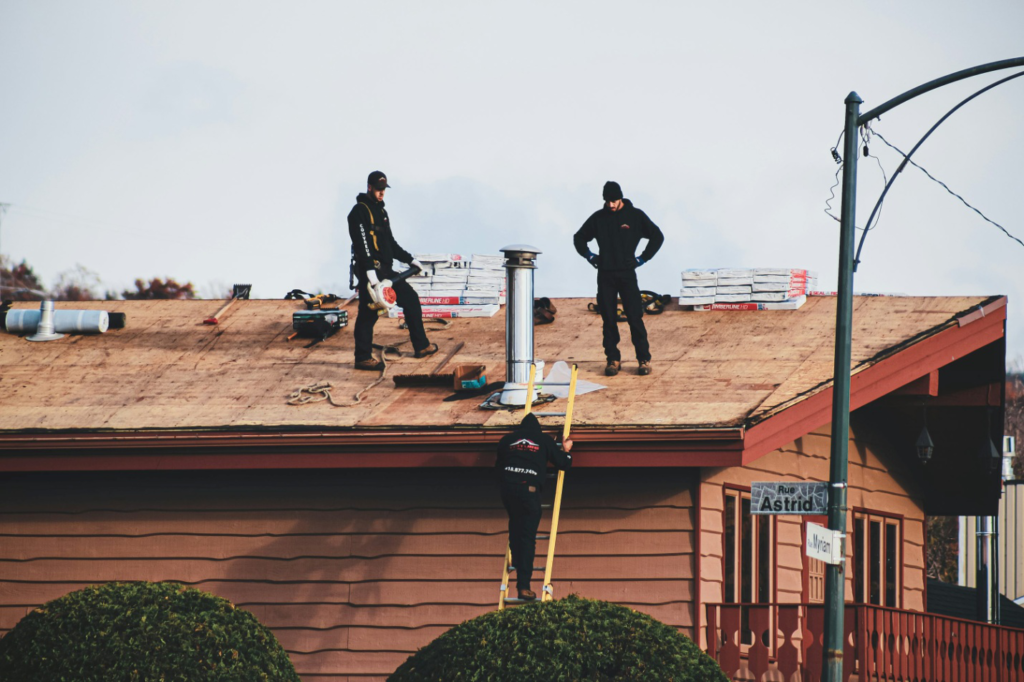
The difference between a meaningful inspection and a cursory one comes down to scope. A qualified inspector walks the entire roof surface and documents what they find, not a quick visual from the hatch, but a complete walkthrough covering every seam, every penetration, every flashing, and every drain, with photos taken, conditions noted, and a written report generated and filed.
A basic commercial roof maintenance plan typically includes a comprehensive roof inspection covering the membrane, flashing, drainage, and structural elements, paired with a detailed condition report documenting photos and current state, and a recommended maintenance schedule based on the roof’s age and condition. Many of these problems are not visible from ground level.
This level of documentation matters beyond the immediate maintenance value. A detailed report that logs conditions, issues, and recommendations, along with photographic evidence of problems or areas to monitor over time, provides long-term visibility and documentation for each roof across a property portfolio. For Florida property owners managing insurance relationships and warranty claims, this kind of documentation history can be decisive when a storm-related claim is being evaluated.
Seasonal Priorities for Florida Commercial Roofs
Florida’s climate calendar shapes what a maintenance program should prioritize at different times of year, though the specific risks differ from those in colder climates.
Severe weather events demand immediate roof assessment, as high winds, hail, and heavy precipitation stress commercial roofing systems beyond normal operating parameters, and scheduling inspections within three days of significant weather events identifies damage before water infiltration causes secondary problems. Temperature extremes also warrant attention, with summer maintenance focusing on thermal expansion issues affecting commercial roofing systems.
For Florida specifically, this translates to a maintenance calendar built around:
- A pre-hurricane season inspection in late spring, focused on edge securement, equipment attachment, and drainage capacity
- Post-storm inspections within days of any named storm or significant wind event
- A fall inspection focused on accumulated wear from a full summer of heat and UV exposure
- Ongoing drainage monitoring during the wet season, when ponding-related issues are most likely to develop
Common Maintenance Pitfalls
Even the most experienced property managers can fall into maintenance traps. When everything seems fine, it is easy to let seasonal inspections slide, but roofing systems degrade over time even without active leaks. A walk-around with a clipboard does not replace a professional inspection.
A common pattern among building owners is waiting until a leak appears before investigating further. By the time water is visible inside a building, the underlying issue at the roof level has often been developing for months, and the cost of addressing it reactively is typically far higher than it would have been if caught during a scheduled inspection.
This pattern, waiting for visible symptoms before acting, is precisely what a maintenance program is designed to prevent. By the time a leak appears inside a building, the underlying issue at the roof level has often been developing for months or years.
What an Effective Maintenance Plan Includes
A maintenance plan that genuinely protects a commercial roof investment includes several core components working together:
- Biannual professional inspections covering the entire roof surface, with increased frequency for roofs over 10 to 15 years old
- Mandatory post-storm inspections following any significant wind or rain event, timed to support insurance and warranty processes
- Inspections triggered by any rooftop modification, including new equipment installation or nearby construction
- Detailed written documentation with photographs for every inspection, building a long-term condition history
- Routine drainage maintenance, including debris removal from drains and scuppers, particularly during Florida’s wet season
- A clear protocol for addressing identified issues promptly, since the financial advantage of preventive maintenance depends on issues being fixed while they remain minor
Building a Maintenance Program for Your Property
For commercial properties across Tampa, St. Petersburg, Sarasota, Orlando, Ft. Lauderdale, and Miami, the path from a roof that requires premature roof replacement to one that reaches or exceeds its full expected service life runs through a maintenance program built on these principles. The cost of biannual roof inspection and routine roof maintenance is consistently smaller than the cost of emergency roof leak repair and the disruption that comes with it.
Start Your Commercial Roof Maintenance Program with Rhino Commercial Roofers
If your commercial roofing in St. Petersburg, Tampa, Sarasota, Orlando, Ft. Lauderdale, or Miami does not currently have a structured maintenance program in place, contact our team to schedule a baseline roof inspection and discuss a roof maintenance plan tailored to your roof’s age, system type, and exposure conditions.