A commercial roof installation is one of the most significant investments you will make for your building, and understanding the process can help you avoid delays, confusion, and unexpected costs. Whether you are constructing a new commercial property or replacing an aging roof, having clear expectations allows you to make informed decisions at every stage.
The right approach to commercial roof installation protects your building, improves long-term performance, and helps your business operate without interruption. Rhino Commercial Roofers works with commercial property owners across Florida to deliver roofing systems designed specifically for commercial environments.
This overview outlines what to expect before, during, and after a commercial roofing project. Commercial TPO roofing is a popular option for buildings that need a durable, energy-efficient system designed for flat or low-slope commercial roofs.
Understanding Commercial Roofing Systems
Commercial roofing systems are designed to meet the demands of large structures, flat or low-slope surfaces, and frequent exposure to weather and mechanical equipment. Unlike residential roofs, commercial systems must accommodate foot traffic, rooftop units, drainage systems, and long service cycles. These roofs are built to handle daily operational stress while protecting the interior of your building from water intrusion and heat transfer.
Many commercial buildings rely on membrane systems, layered assemblies, or coated surfaces that work together to create a continuous barrier. Built-up roofing remains a common choice for certain commercial buildings because of its layered structure and proven performance over time.
Understanding how these systems function helps you communicate clearly with your contractor and select a solution that aligns with your building use, budget, and long-term plans. When you understand the basics of commercial roofing systems, you are better prepared to evaluate recommendations and move forward with confidence.
Evaluating Your Building Before Installation
Every successful roofing project begins with a detailed evaluation of your building. This step allows your contractor to understand the current condition of the roof, the structural capacity of the deck, and the performance of insulation and drainage systems. During this evaluation, existing materials are reviewed for moisture damage, surface wear, and compatibility with new roofing components.
The building’s layout, roof access points, and surrounding features are also considered. This information helps shape the installation plan and identifies any repairs that need to be addressed before new materials are installed. A proper evaluation helps avoid installing a new roof over unresolved issues that could affect performance later.
By taking time to assess your building thoroughly, you set the foundation for a smoother installation process and a roofing system that performs as intended from day one.
Selecting Materials for Your Commercial Roof
Choosing the right materials is a key decision that affects durability, energy performance, and maintenance needs. Commercial roofing materials are selected based on building size, climate exposure, foot traffic, and operational requirements. Some materials offer strong resistance to weather and physical impact, while others focus on reflectivity and temperature control.
Your contractor should explain how each option performs and how it aligns with your goals. Material selection also affects installation time and future maintenance planning. When materials are matched properly to your building, the roof performs more consistently and requires fewer unexpected repairs. Taking time to review material options allows you to balance upfront investment with long-term value and performance.
Planning the Installation Timeline
A clear installation timeline helps you coordinate roofing work with daily business operations. Commercial roofing projects often require careful scheduling to minimize disruption to occupants, tenants, or customers. Factors such as building size, roof complexity, and weather conditions influence the project schedule. During planning, your contractor should explain how long each phase will take and what areas of the building may be affected.
This allows you to plan access, adjust schedules, and communicate expectations to staff or tenants. A realistic timeline helps keep the project organized and allows everyone involved to work efficiently. Clear communication during this stage reduces stress and helps the project move forward without unnecessary delays.
Preparing the Roof for Installation
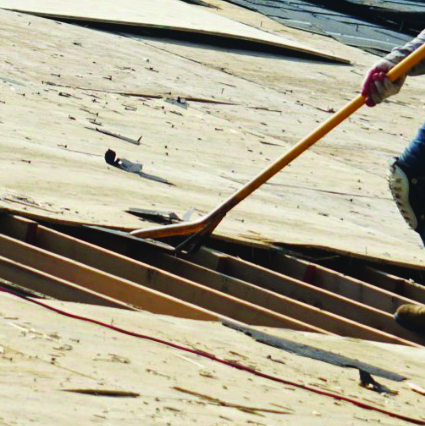
Preparation is a major part of the commercial roofing process and directly affects the performance of the new system. This phase may involve removing old roofing materials, addressing damaged decking, and installing insulation or moisture barriers. Surface preparation also includes cleaning and leveling areas to create a stable base for new materials.
You might be happy to find out that proper preparation allows the roofing system to adhere correctly and perform as designed. Skipping steps or rushing this phase can lead to uneven surfaces or premature wear. Jobsite preparation also includes staging materials safely and setting up protections around the building. When preparation is handled carefully, the installation phase proceeds more smoothly and the finished roof delivers better long-term results.
What Happens During Commercial Roof Installation
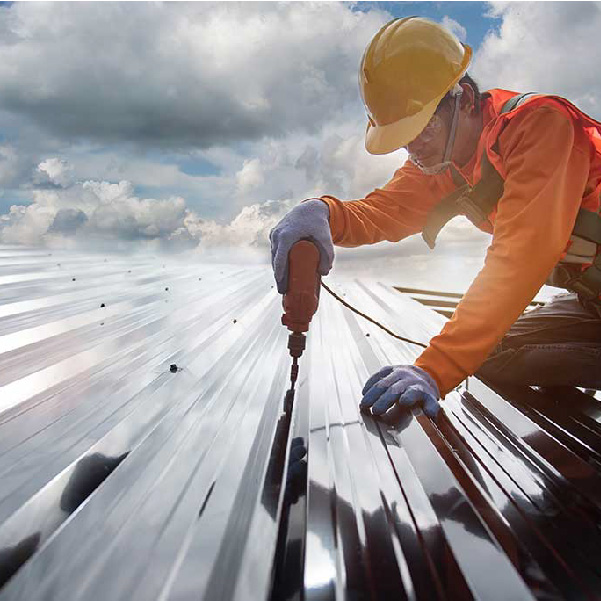
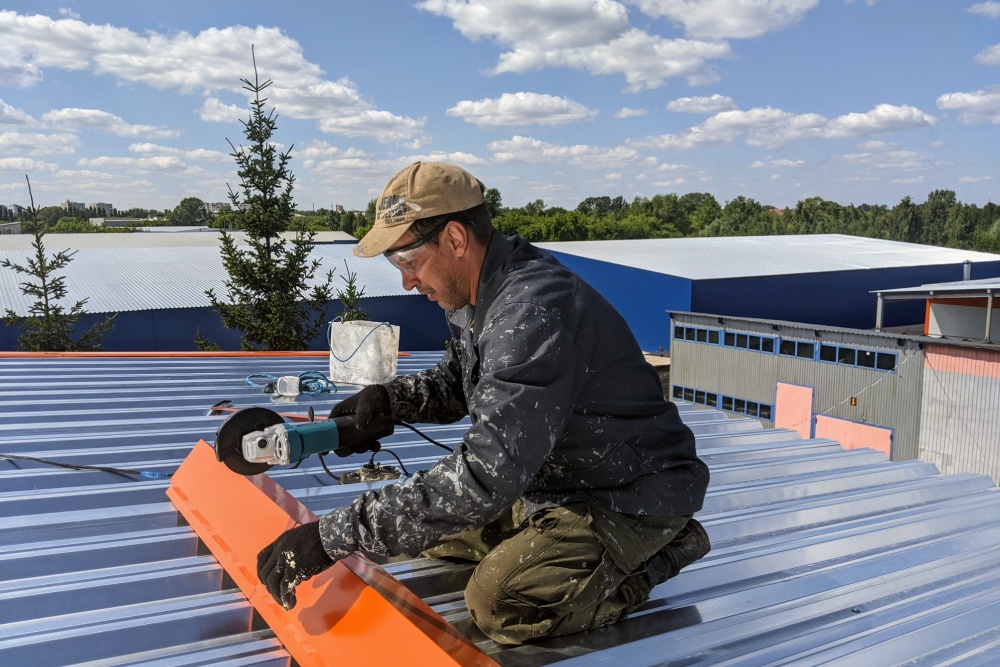
The installation phase brings together planning, materials, and skilled labor. Roofing crews follow established procedures to install materials according to manufacturer guidelines and industry practices. Each layer or component is placed carefully to manage water flow, temperature exposure, and structural movement. Seams, penetrations, and edges receive special attention since these areas play a major role in roof performance.
Throughout the installation, quality checks help maintain consistency and accuracy. Understanding what happens during installation allows you to track progress and appreciate the level of coordination involved. A well-executed installation results in a roofing system that performs reliably and integrates smoothly with your building.
Safety and Compliance During Roofing Projects
Safety and compliance are central to every commercial roofing project. Roofing crews follow safety protocols to protect workers, occupants, and property throughout the installation. Equipment use, access control, and material handling are managed carefully to reduce risk. In addition to safety practices, roofing work must comply with local building codes and manufacturer requirements.
These guidelines affect installation methods and documentation. Working with a professional contractor helps keep the project aligned with regulations and reduces the likelihood of complications later. Attention to safety and compliance protects everyone involved and contributes to a well-managed project from start to finish.
Inspections and Documentation After Installation
After the roof is installed, inspections provide an opportunity to review workmanship and system performance. These inspections may include checking seams, drainage paths, and overall surface condition. Documentation created during this stage records materials used, installation details, and maintenance guidelines. This information is valuable for future planning and reference.
Having clear records helps you understand how the roof was built and how to care for it over time. Post-installation reviews allow you to address questions early and become familiar with your new roofing system.
Caring for Your Roof Over Time
Long-term care plays a major role in how well your roof performs over the years. Regular inspections help identify wear, debris buildup, or drainage concerns before they affect the building. Addressing small issues early allows you to manage costs and reduce disruption. Understanding maintenance expectations helps you plan budgets and schedule professional inspections when needed.
A roof that receives consistent attention tends to perform more reliably and last longer. Long-term care begins with understanding how your roofing system functions and responding promptly when conditions change.
How Climate Impacts Commercial Roof Installation Decisions
Climate plays a major role in how your commercial roof is designed, installed, and maintained. Temperature fluctuations, rainfall patterns, humidity levels, and storm activity all affect material performance and installation timing. In warmer climates, roofing systems must handle prolonged sun exposure, which can impact surface temperatures and material flexibility.
High humidity and frequent rain require careful attention to drainage design and moisture control during installation. Seasonal weather patterns also influence when roofing work can be completed safely and efficiently. Understanding how climate affects your building allows you to select materials and installation methods that perform well in local conditions. Contractors must plan around weather windows to reduce interruptions and protect exposed areas during the project.
When climate factors are considered early, the roofing system is better aligned with environmental demands. This thoughtful approach helps your roof perform consistently and reduces the likelihood of weather-related issues after installation.
How Proper Drainage Affects Roof Performance
Drainage is a key factor in the performance of any commercial roofing system. Flat and low-slope roofs rely on properly designed drainage paths to move water away from the surface efficiently. When water is not directed correctly, it can collect on the roof and increase stress on materials. Standing water can also affect insulation performance and contribute to surface deterioration over time.
During installation, drainage locations, slopes, and outlets must be carefully planned and installed to match the building layout. Proper drainage design helps manage heavy rainfall and reduces the chance of water intrusion. Regular inspections after installation help verify that drainage components remain clear and functional.
Understanding how drainage affects your roof allows you to take a proactive role in maintenance planning. A roofing system with effective drainage contributes to long-term performance and helps your building operate without disruption caused by water-related issues.
Improve your building’s performance with our commercial roofing products and services designed to meet the demands of commercial properties. We deliver professional planning, installation, and ongoing care that help your roof perform reliably and add value to your building with Rhino Commercial Roofers.