
Florida commercial buildings place enormous stress on roofing systems every single day. High UV exposure, heavy rain, standing water, salt-heavy coastal air, and hurricane-force winds create conditions that shorten roof lifespan faster than many property owners expect.
For commercial properties using TPO roofing systems, maintenance directly affects long-term performance.
A neglected TPO roof may develop seam failure, punctures, membrane shrinkage, or moisture intrusion years earlier than expected. On the other hand, a properly maintained system can continue performing efficiently long after nearby roofs begin failing.
That is why understanding the TPO roofing lifespan in Florida matters for property managers, facility owners, and commercial building operators.
According to the U.S. Department of Energy, reflective roofing systems such as TPO can significantly reduce rooftop temperatures and improve energy efficiency in hot climates.
TPO roofing remains one of the most widely used commercial roofing systems in Florida because of its reflective performance and cost efficiency. Still, Florida weather creates ongoing pressure that requires consistent maintenance attention.
Ignoring small issues often leads to expensive repairs, interior water damage, insulation deterioration, and premature roof replacement.
Why TPO Roofing Performs Well in Florida?
TPO roofing, short for Thermoplastic Polyolefin roofing, is a single-ply membrane system commonly installed on flat and low-slope commercial roofs.
The membrane reflects sunlight effectively, helping reduce rooftop heat absorption and cooling demand inside commercial buildings.
TPO roofing also resists UV exposure better than many older roofing materials used on commercial structures.
Its heat-welded seams create strong waterproof connections that help reduce leak risks when installed properly by a TPO roofing contractor.
For Florida businesses dealing with constant heat and high cooling costs, TPO roofing offers strong energy-saving potential.
However, long-term performance depends heavily on maintenance quality.
Florida Weather Speeds Up Roof Wear
Florida roofs experience near-constant environmental stress.
UV exposure causes roofing membranes to expand and contract repeatedly. Heavy rain creates a risk of standing water on flat roofs. Storm debris can puncture roofing surfaces. Humidity traps moisture around seams and penetrations.
These conditions slowly weaken roofing systems over time.
Even high-performing commercial roofing materials need regular inspections and preventive roofing service in Tampa to maintain structural integrity.
Without proper care, small roofing problems can spread quickly beneath the membrane and insulation layers.
Why Should We Schedule Roof Inspections at Least Twice Per Year?
One of the most effective ways to improve the TPO roofing lifespan in Florida is through scheduled inspections.
Commercial roofs should be inspected at least twice annually and immediately after major storms.
A commercial roofing contractor should evaluate:
- Membrane condition
- Heat-welded seams
- Roof penetrations
- Drainage systems
- Flashing areas
- Surface punctures
- Signs of ponding water
- Edge securement systems
- Rooftop equipment areas
Small seam separations or punctures may not appear serious initially. During Florida storms, those openings can allow large amounts of water into the roofing system.
Routine inspections help detect damage early before repairs become more expensive.
Why Should We Pay Close Attention to Roof Seams?
Seams are among the most important parts of any TPO roofing system.
TPO membranes are joined together using heat welding. These welded seams create watertight barriers across the roof surface.
Over time, Florida heat exposure, rooftop movement, foot traffic, and storm activity can weaken seam integrity.
A TPO roofing contractor should inspect seams regularly for:
- Separation
- Lifting edges
- Weak welds
- Moisture intrusion
- Surface cracking
Addressing seam issues early can prevent widespread water infiltration beneath the membrane.
Seam failure is one of the most common causes of premature TPO roofing damage.
Why Should We Keep Drainage Systems Clear?
Florida storms can produce massive amounts of rainfall within short periods.
Poor drainage places enormous pressure on commercial roofing systems.
Standing water increases membrane deterioration and raises the risk of leaks. Excess water weight may also stress structural components over time.
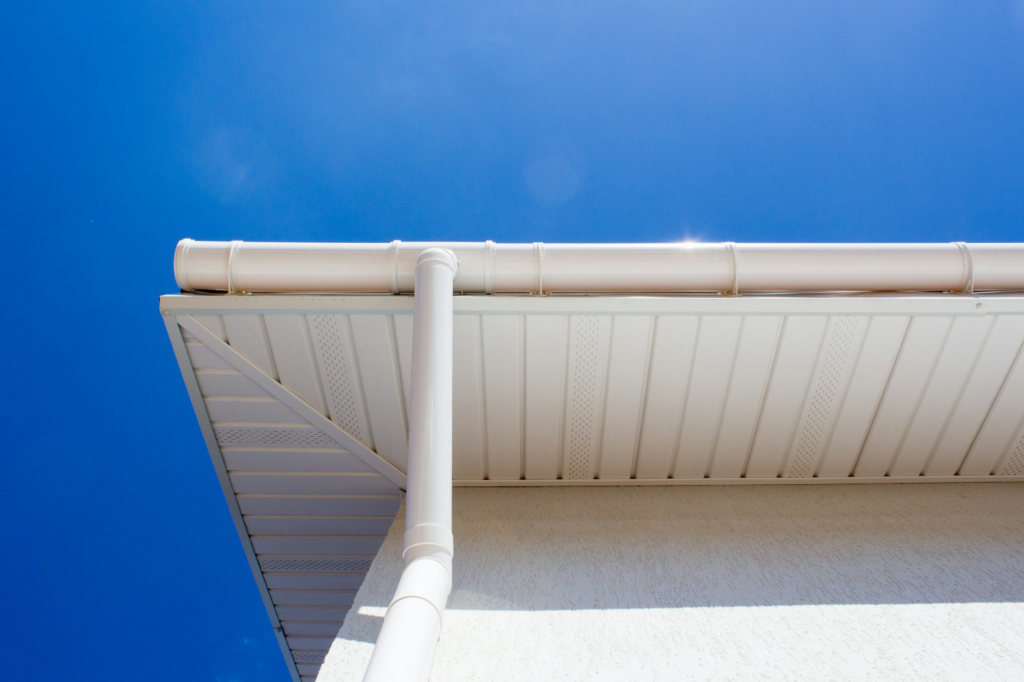
Property managers should keep drains, scuppers, gutters, and downspouts free from debris year-round.
Common drainage obstructions include:
- Leaves
- Dirt buildup
- Branches
- Roofing debris
- Trash accumulation
Even partial blockages can create ponding water during heavy storms.
Routine roofing service should include full drainage inspections before and during hurricane season.
How To Reduce Roof Traffic Damage?
Commercial roofs often experience foot traffic from HVAC technicians, maintenance crews, and contractors servicing rooftop equipment.
Repeated traffic can weaken TPO membranes and increase puncture risks.
Walk pads should be installed around high-traffic service areas whenever possible.
Building managers should also limit unnecessary roof access.
Sharp tools, dropped equipment, and unsecured materials can damage roofing surfaces quickly.
Many punctures happen during unrelated rooftop maintenance activities rather than storms.
Why Clean the Roof Surface Regularly?
Dirt buildup affects more than appearance.
TPO roofing systems depend heavily on solar reflectivity for energy performance. Dust, algae, pollution, and debris reduce the roof’s reflective capability over time.
A dirty roofing surface absorbs more heat, increasing rooftop temperatures and HVAC strain.
Routine cleaning helps maintain energy efficiency while also improving inspection visibility.
A roofing company in Florida can recommend safe cleaning methods that avoid damaging the membrane surface.
Harsh chemicals and aggressive pressure washing can shorten membrane lifespan if used improperly.
What Are Inspect Flashing and Roof Penetrations?
Roof penetrations are common leak points on commercial roofing systems.
HVAC systems, vents, pipes, skylights, and electrical penetrations create transition areas where water intrusion may occur.
Flashing around these areas should be checked regularly for:
- Cracking
- Loose edges
- Sealant deterioration
- Moisture penetration
- Membrane lifting
Florida’s thermal movement places continuous pressure on flashing systems.
Preventive repairs in these areas help avoid larger structural problems later.
Why To Consider Reflective Roof Coatings?
Protective roof coatings may help extend TPO roofing lifespan under certain conditions.
Reflective coatings can help reduce UV exposure and lower rooftop temperatures. Some coatings also improve moisture resistance and surface durability.
However, coatings should only be applied after a full roof evaluation.
Not every aging TPO roofing system qualifies for coating applications.
A commercial roofing contractor can determine if coatings are appropriate based on membrane condition and existing damage levels.
Address Storm Damage Immediately
Florida storms often create roofing damage that is not immediately visible from inside the building.
High winds may loosen seams, lift flashing, or puncture membranes with flying debris.
After major weather events, property managers should schedule immediate roof inspections even if leaks are not visible yet.
Early repairs help prevent trapped moisture from spreading beneath the roofing system.
Waiting too long often increases repair costs significantly.
How To Keep Maintenance Records Organized?
Maintenance documentation plays an important role in long-term roof management.
Property owners should keep records of:
- Inspection dates
- Roof repairs
- Storm assessments
- Cleaning schedules
- Warranty information
- Roofing servicereports
These records help identify recurring issues and may support warranty or insurance claims later.
Consistent documentation also helps roofing contractors monitor long-term membrane performance.
Extend Roof Performance with Rhino Commercial Roofing
Maintaining the TPO roofing lifespan in Florida requires consistent inspections, preventive maintenance, and a fast response after storms. Rhino Commercial Roofing helps businesses in Tampa, St. Petersburg, Sarasota, Orlando, Ft Lauderdale, Miami, and other areas of Florida protect commercial roofing systems from heat, moisture, and severe weather damage.
With 50 years of experience, Rhino Commercial Roofing provides TPO roofing installation, preventive roofing service in Tampa, drainage inspections, seam repairs, and long-term commercial roofing maintenance programs.
Our professional roofing contractor in Miami help property owners reduce repair costs, improve roof performance, and extend the life of TPO roofing systems across Florida commercial properties. Contact us now and get a free quote.