
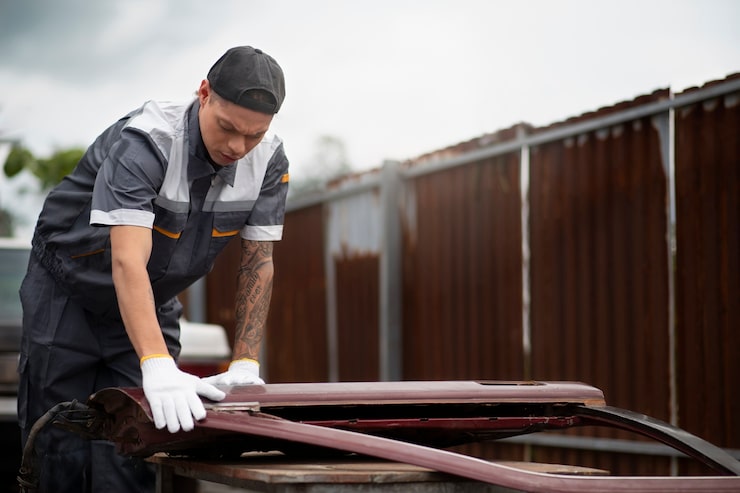
Florida commercial roofs are exposed to heat, humidity, frequent rain, thunderstorms, and tropical weather. Protection therefore depends on more than waiting for a leak and calling for a repair. An effective Florida commercial roof protection plan combines inspections, drainage care, surface maintenance, timely repairs, and restoration options that fit the roof’s actual condition. Our roof coating services are a part of that wider approach, not a replacement for routine roof management.
Property owners responsible for commercial roofing in Fort Lauderdale and other Florida markets should think of the roof as a building asset that changes over time. Membranes weather, sealants age, foot traffic can cause damage, drains collect debris, and storms can loosen or puncture components. A structured maintenance routine creates opportunities to find those changes early, document them, and decide whether cleaning, repair, coating, retrofit, or replacement is appropriate.
The Impact of Florida Weather on Commercial Roofing
Sunlight and heat act on roof surfaces every day. Light-colored and reflective roofing materials can reduce solar heat absorbed at the surface, although the effect on the building depends on insulation, HVAC performance, roof cleanliness, and other design factors. The U.S. Environmental Protection Agency’s cool roof guidance explains that solar reflectance and thermal emittance influence how much heat a roof absorbs and releases. That makes surface properties relevant, but they are only one part of roof performance.
Rain and thunderstorms create a different challenge. The National Weather Service describes West Central and Southwest Florida’s rainy season as a period of frequent showers and thunderstorms, with heavy rainfall remaining a significant hazard through the peak season. Its Florida thunderstorm season guidance reinforces why drains, scuppers, flashings, seams, and penetrations deserve close attention before and during wet months. Storm-driven debris and service work after weather events can add further wear to the roof surface.
Heat also drives repeated expansion and contraction in metal components, flashings, sealants, and roof assemblies. Different materials move at different rates, so transition points deserve attention during inspections. This does not mean that normal thermal movement is a defect, but aged sealants, loose fasteners, stressed flashings, and brittle repair materials can become more vulnerable over time. A maintenance plan should therefore look at how details are changing from season to season instead of focusing only on obvious membrane damage.
Routine Inspections Are the First Line of Protection
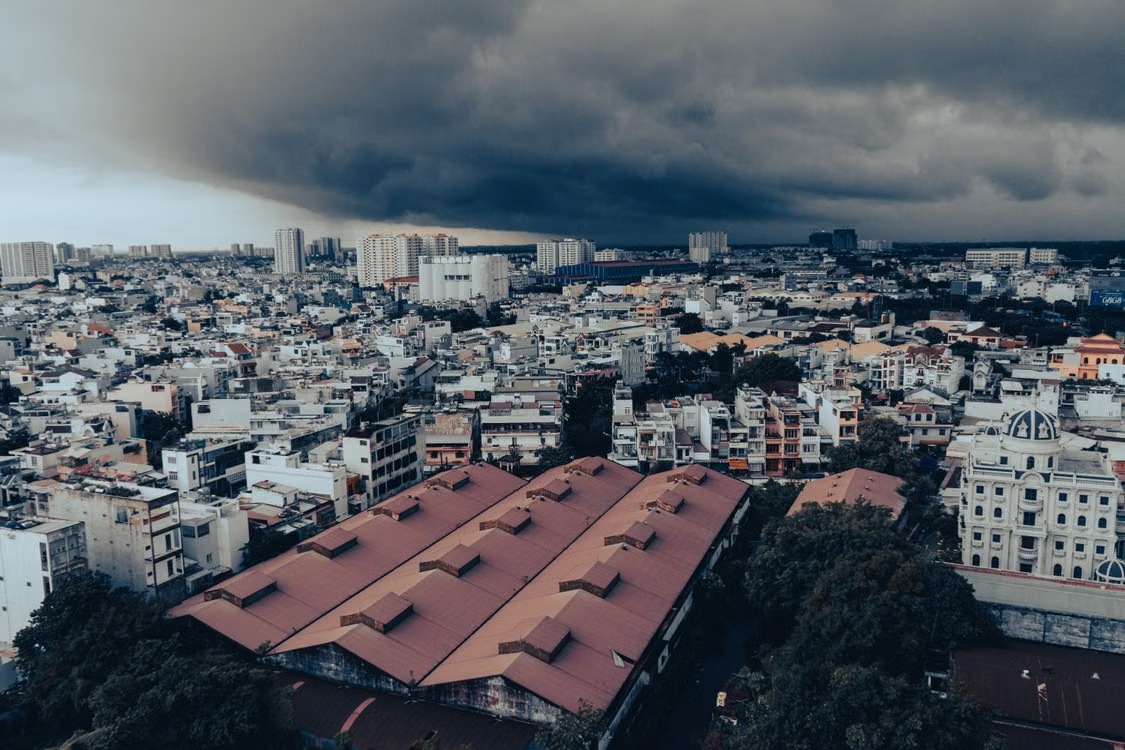
A maintenance program should start with repeatable inspections rather than informal checks from the parking lot. On the roof, contractors can review membrane condition, seams or laps, flashings, penetrations, edge metal, rooftop equipment, drains, scuppers, gutters, previous repairs, and areas where water tends to remain. Inside the building, staining or moisture evidence can provide clues about conditions that may not be obvious from the roof surface.
Property owners scheduling roof inspection services in St. Petersburg should also keep records of what was found and what was repaired. GAF’s commercial roof maintenance guidance recommends professional inspection for debris, water, clogged drains, loosened flashings, and wind uplift. Documentation makes it easier to compare changes from one visit to the next and helps facility teams plan maintenance instead of relying on memory.
Inspection frequency should reflect the building and its exposure rather than a calendar rule applied without context. Roofs with frequent service traffic, many penetrations, older materials, or a history of leaks may justify closer attention than newer roofs with limited access. Additional checks can also make sense after significant storms or construction activity. The important point is consistency: the same vulnerable details should be reviewed repeatedly so small changes are noticed before they become harder to correct.
Keep Water Moving Off the Roof
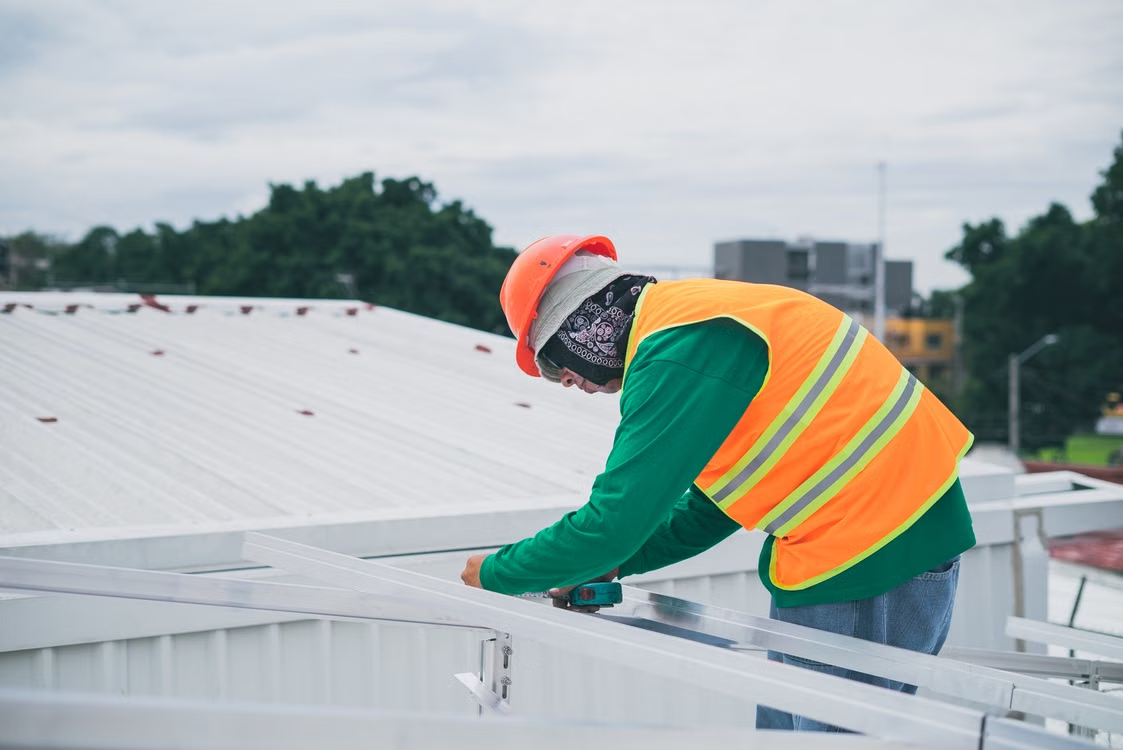
Drainage is one of the simplest roof areas to observe and one of the easiest to neglect. Leaves, packaging, service debris, vegetation, and sediment can restrict drains and scuppers. Low areas can hold water after rain, while damaged insulation or deck deflection may make ponding worse over time. Cleaning drainage is therefore not cosmetic maintenance. It helps the roof shed water as the system was designed to do.
The Asphalt Roofing Manufacturers Association defines ponding water as water that remains on a roof for 48 hours or longer and recommends adequate slope and unobstructed drainage. Its ponding water guidance also notes that persistent water can increase loads, support biological growth, collect debris, and increase the consequences of membrane damage. A contractor should investigate recurring ponding rather than simply pushing the water toward a drain after every storm.
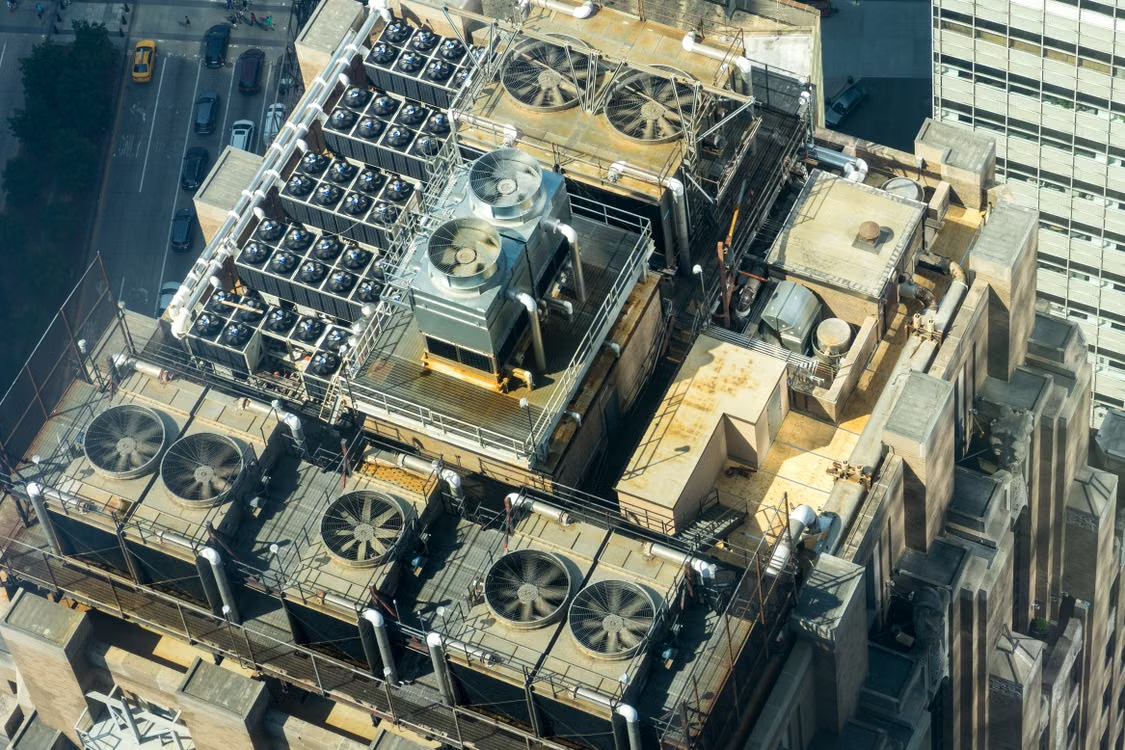
Facility teams should also watch where condensate from rooftop equipment is discharged. Continuous discharge onto the roof can keep localized areas wet even when it has not rained, and makes it harder to distinguish drainage problems from equipment-related water. Where appropriate, condensate should be routed according to the building design and applicable requirements. Keeping roof surfaces clear around mechanical units also makes it easier to see deterioration, check flashing, and keep nearby drains accessible.
Use Roof Coatings Where the Existing Roof Is Suitable
Roof coatings can be useful when an existing assembly is dry, stable, compatible, and still suitable for restoration. Silicone, elastomeric, aluminum, and other coating systems provide a new protective surface over eligible roofs. Depending on the chemistry and product, coatings may improve resistance to ultraviolet exposure, add weather protection, or increase reflectivity. They should be selected for the substrate and service conditions rather than chosen by color alone.
Preparation is a major part of coating performance. The roof may need cleaning, localized repairs, treatment of seams or penetrations, primer, and verification that trapped moisture is not present. Drainage defects should be addressed separately because a coating does not create positive slope. A professional should also follow manufacturer requirements for application rate, weather conditions, cure time, and compatibility with previous repairs or existing membranes.
Coating maintenance continues after installation. Owners should know which chemistry was applied, the approximate installation date, the manufacturer, and any warranty or maintenance requirements. This information is important for future repairs because patching materials must be compatible with the existing coating. Periodic cleaning or recoating can also be recommended depending on the product and roof condition. Maintaining accurate records ensures that future contractors can understand the roof’s history and maintain the existing system properly.
Repair Small Defects Before They Spread
Commercial roof defects often begin at details rather than across the entire field of the roof. A puncture near a service path, a loose flashing, a split sealant joint, damaged edge metal, or an open seam may affect a small area at first. Timely repair can restore that detail before water reaches insulation, decking, interior finishes, or adjacent roof sections. The repair material also needs to be compatible with the existing system.
Facility teams should avoid covering a leak symptom without locating the entry point. Water can travel within a roof assembly or along structural components before it appears indoors, so the ceiling stain may not sit directly below the defect. A professional leak investigation can compare interior evidence with roof conditions, recent weather, penetrations, drainage patterns, and previous repairs. Once the cause is identified, the scope can be limited to what actually needs attention.
Repairs should be documented with location, date, photos, and the material used. Repeated repairs in one zone can reveal a pattern that a single work order might miss, such as movement at a curb, recurring drainage trouble, or damage along a service route. That history can change the next decision from another patch to a more durable detail repair, restoration treatment, or larger roof project. It also gives property managers a clearer basis for discussing priorities with the roofing contractor.
Add Storm-Related Checks to the Maintenance Calendar
A roof that looked sound during a routine inspection can change after severe weather. Wind can loosen edge components or rooftop items, debris can puncture membranes, heavy rainfall can reveal drainage restrictions, and service crews responding to mechanical problems may create additional foot traffic. Post-storm checks are therefore useful when conditions suggest the roof may have been affected, even if there is no immediate interior leak.
The inspection should focus on changes from the roof’s documented baseline. Contractors can look for displaced materials, punctures, lifted edges, damaged flashings, blocked drains, water accumulation, loose equipment components, and new debris. Photos help distinguish storm-related changes from older conditions. If a defect is found, prompt temporary or permanent repair can reduce the time the assembly remains exposed while a larger scope is planned if necessary.
Build a Long-Term Protection Plan Around the Roof You Have
Owners dealing with roof leak repair in Fort Lauderdale should use each repair as information about the broader condition of the roof. A recurring leak at the same detail, repeated drainage trouble, or increasing membrane damage may signal that maintenance alone is no longer enough. The goal is to make the next decision from evidence rather than waiting for a larger failure.
The same applies to roof repair in Sarasota and other Florida markets. Repairs, coatings, retrofits, and replacement should sit on one maintenance timeline so the property owner can see what has been done, what is changing, and what may be needed next. That record supports budgeting and helps prevent isolated repairs from becoming the only roof strategy.
At Rhino Commercial Roofing, we inspect, maintain, repair, coat, retrofit, and replace commercial roofing systems for Florida properties. Our commercial roof repair services can address localized defects when repair is the right response. To build a proactive maintenance routine around your existing roof, explore our roof maintenance services.