
Florida commercial property owners often face a costly decision. A roof starts leaking, insulation gets wet, or storm damage appears after heavy weather. The question becomes simple but expensive: should you go for commercial roof repair vs replacement?
This decision impacts budget, building safety, tenant comfort, and long-term maintenance costs.
According to the National Roofing Contractors Association (NRCA), regular roof maintenance and timely repairs can extend a commercial roof’s service life by several years, but delaying replacement on severely aged systems often leads to higher total lifecycle costs. (nrca.net)
Florida’s weather adds extra pressure to this decision. High UV exposure, storms, heavy rainfall, and humidity all speed up roof wear faster than in many other states.
A small issue can quickly turn into structural damage if the wrong choice is made.
So how do you decide between roof repair and roof replacement for commercial roofing systems in Florida?
Let’s break it down in a practical way.
Start With the Age of the Roof
Roof age is one of the strongest indicators in the repair vs replacement decision.
Most commercial roofing systems in Florida last:
- TPO roofing: around 12+ years
- PVC roofing: around 20–30 years
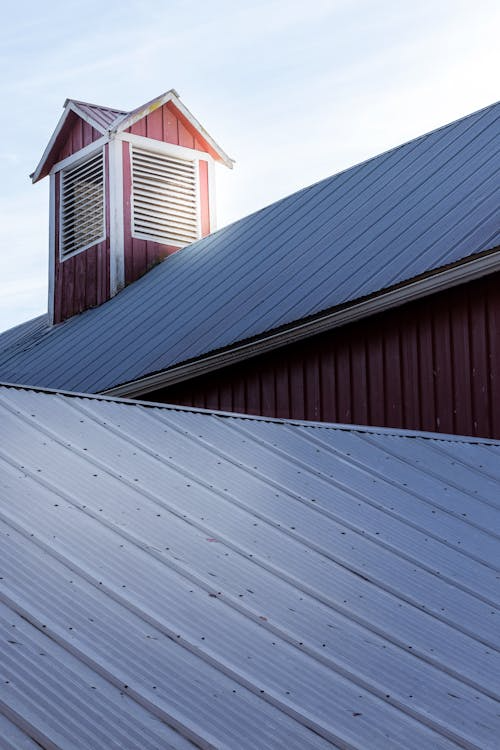
- Metal roofing: 40+ yearsin many cases
If the roof is near the end of its expected service life, repeated roof repair work may only provide short-term relief.
A roofing company in Florida can assess the remaining service life during a roof inspection.
If the roof is still in early or mid-life, repairs may be the more cost-effective option.
Look at the Extent of Damage
Damage size and spread matter more than a single leak point.
A localized issue, such as:
- One damaged seam
- Small puncture
- Isolated flashing failure
- Minor drainage blockage
can often be handled with targeted roof repair.
But if damage is widespread across multiple roof zones, roof replacement may be more practical.
Warning signs include:
- Multiple active leaks
- Widespread membrane bubbling
- Large sections of wet insulation
- Repeated repair history in different areas
A commercial roofing contractor can map damage zones during inspection to determine severity.
Check How Often Repairs Are Happening
Frequent repairs are a major cost indicator.
If a building requires constant roofing service visits, the system may be reaching the failure stage.
Ask these questions:
- Are leaks returning after previous repairs?
- Are new problem areas appearing every few months?
- Are repair costs adding up close to the replacement cost?
If yes, continuing roof repair may no longer make financial sense.
At this point, roof replacement may reduce long-term costs and prevent operational disruptions.
Evaluate Energy Efficiency Performance
Older commercial roofing systems often lose energy efficiency over time.
Cracks, membrane shrinkage, and insulation damage allow heat transfer into the building.
This increases cooling costs, especially in Florida’s hot climate.
If energy bills are rising steadily despite HVAC maintenance, the roof may be contributing to inefficiency.
New roof replacement systems, such as TPO or PVC, can improve reflectivity and reduce heat absorption significantly.
A commercial roofing contractor can compare current performance with modern roofing options.
Inspect Moisture and Insulation Damage
One of the most expensive hidden issues is wet insulation.
Once moisture enters beneath the membrane, it spreads slowly and weakens the roofing system from the inside.
Signs include:
- Soft roof areas
- Persistent leaks after repairs
- Mold or odor inside the building
- Higher humidity indoors
In many cases, wet insulation cannot be fully restored through roof repair alone.
If moisture spread is extensive, roof replacement becomes the more practical solution.
A detailed roof inspection helps confirm insulation condition.
Review Storm History and Structural Stress
Florida weather plays a major role in roof deterioration.
Hurricanes, tropical storms, and heavy rainfall place repeated stress on commercial roofing systems.
If a roof has:
- Multiple storm damage events
- Repeated patch repairs after hurricanes
- Edge or seam failures from wind uplift
may no longer perform well under future storms.
A roofing company in Florida can assess whether the roof structure still meets current wind resistance expectations.
Compare Short-Term Cost vs Long-Term Value
Roof repair usually costs less up front.
However, repeated repairs over time can exceed replacement cost without improving performance.
Roof replacement has a higher initial cost but provides:
- New warranty coverage
- Improved energy efficiency
- Reduced maintenance frequency
- Better storm resistance
If repair costs approach 25–40% of replacement cost, replacement often becomes the better financial option.
A commercial roofing contractor can provide a cost comparison based on real building conditions.
Consider Building Usage and Risk Level
Not all buildings have the same risk tolerance.
For example:
- Warehouses may tolerate minor leaks temporarily
- Medical facilities cannot risk water intrusion at all
- Retail centers require consistent interior protection
- Food service buildings need strict moisture control
High-risk operations often benefit more from roof replacement once recurring issues appear.
Lower-risk buildings may extend roof life through repair programs.
Understand the Roof System Type
Some roofing systems respond better to repair than others.
- TPO roofingsystems often allow seam and patch repairs
- PVC roofing systems respond well to heat-welded repairs
- Metal roofingsystems allow panel replacement in sections
However, aging systems with widespread wear may no longer hold repairs effectively.
A roofing service provider can evaluate repair compatibility based on membrane condition.
When Roof Repair Makes Sense
Roof repair is usually the right choice when:
- Damage is localized
- The roof is mid-life or newer
- Insulation is dry
- No major structural issues exist
- Leaks are infrequent
It is a cost-effective way to extend roof performance when the system is still in good condition.
When Roof Replacement Makes Sense
Roof replacement is often necessary when:
- The roof is near the end of its lifespan
- Damage is widespread
- Repairs are frequent
- Insulation is saturated
- Energy costs are rising
- Storm damage is repeated
At this stage, continuing repairs may only delay inevitable system failure.
Final Decision Should Always Be Inspection-Based
The best way to decide between commercial roof repair vs replacement is through a professional inspection.
A commercial roofing contractor can provide:
- Condition report
- Moisture scan results
- Cost comparison
- Remaining lifespan estimate
- Repair feasibility analysis
This helps property owners make informed decisions based on actual roof conditions rather than guesswork.
Make the Right Choice with Rhino Commercial Roofing
Choosing between roof repair and roof replacement affects long-term building performance and cost control. Rhino Commercial Roofing helps Florida property owners make the right decision with detailed inspections and practical roofing solutions.
With 50 years of experience, Rhino Commercial Roofing provides roof inspection service in St. Petersburg, roof repair, roof replacement, and full commercial roofing service in Tampa designed for Tampa, St. Petersburg, Sarasota, Orlando, Ft Lauderdale, Miami, and other areas of Florida.
Our team helps businesses protect property value, reduce downtime, and plan roofing decisions with confidence. Contact us now and get a free quote.