
Built-up roofing (BUR) is a multi-layered flat roofing system made of alternating bitumen and reinforcing fabrics that create a durable, waterproof surface. It remains widely used in commercial roofing due to its proven performance and long service life.
For property owners evaluating roofing systems, BUR continues to offer a balance of durability, weather resistance, and predictable maintenance, especially for low-slope structures.
1. What Is Built-Up Roofing (BUR)?
Built-up roofing is a layered roofing system designed for flat or low-slope buildings. It consists of bitumen (asphalt or coal tar), ply sheets, and a protective top layer.
Key components include:
- Base sheet attached to the deck
- Multiple reinforcing layers (plies)
- Bitumen layers bonding each ply
- A top surface, such as gravel or mineral coating
Each layer strengthens the system, creating redundancy that improves resistance to water intrusion and physical damage.
2. How Does Built-Up Roofing Work?
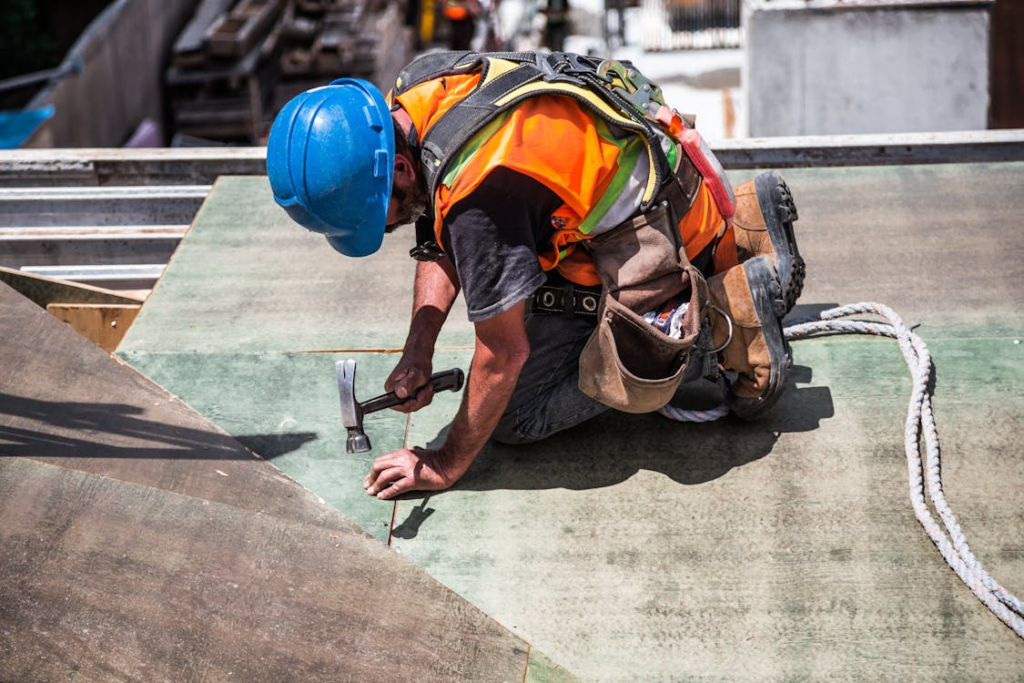
Built-up roofing works by creating a sealed, multi-layer barrier that prevents water penetration and distributes stress across the surface.
Process overview:
- A base sheet is secured to the roof deck
- Hot or cold-applied bitumen is layered
- Reinforcing fabrics are embedded between layers
- The system is finished with a protective surface
The result is a continuous membrane designed to handle standing water, temperature fluctuations, and mechanical wear.
3. Quick Answer: Is Built-Up Roofing Still a Good Choice?
Yes, built-up roofing remains a reliable option for commercial properties due to its durability, multi-layer protection, and long-term performance on flat roofs.
It is particularly suitable for buildings that require:
- Strong waterproofing
- High resistance to foot traffic
- Long lifecycle performance
4. Why Is Built-Up Roofing Still Used in Commercial Buildings?
Built-up roofing is still used because it offers consistent, field-tested performance over decades.
- Proven track record in commercial roofingin Orlando
- Strong resistance to UV exposure and weather
- Redundant layers that reduce failure risk
- Compatibility with large, low-slope roofs
Unlike single-ply systems, BUR provides multiple protective layers, which can reduce the likelihood of sudden leaks.
5. How Durable Is Built-Up Roofing?
Built-up roofing systems typically last 20 to 30 years, depending on installation quality and maintenance.
Durability factors include:
- Number of plies installed
- Quality of bitumen used
- Climate exposure (heat, storms, UV)
- Maintenance frequency
The gravel or mineral top layer also protects against UV radiation and minor impact damage, extending the system’s lifespan.
6. What Maintenance Does Built-Up Roofing Require?
Built-up roofing requires routine inspection and minor upkeep to maintain performance.
Typical maintenance includes:
- Scheduled roof inspection service(at least twice per year)
- Clearing debris from drains and surfaces
- Monitoring for blistering or cracking
- Prompt roof repairfor damaged sections
Quick identification of issues reduces the likelihood of major repairs and extends the system’s usable life.
7. Cost Considerations for Built-Up Roofing
Built-up roofing has moderate upfront costs but offers long-term value through durability and reduced repair frequency.
| Cost Overview Table | |
| Factor | BUR Performance |
| Initial installation | Moderate |
| Lifespan | 20 to 30 Years |
| Maintenance cost | Low to Moderate |
| Repair frequency | Low |
| Energy Efficiency | Moderate |
While installation may require more labor than some alternatives, the layered design often results in fewer long-term issues.
8. How Does BUR Compare to Other Roofing Systems?
Built-up roofing differs from modern systems like single-ply membranes or metal roofing service in Sarasota.
Comparison highlights:
- BUR: Multi-layer, highly durable, slower installation
- Single-ply:Lightweight, faster installation, fewer layers
- Metal roofing: Long lifespan, higher upfront cost, slope-dependent
Each system serves different needs, but BUR remains a practical solution for flat commercial structures.
9. When Is Built-Up Roofing the Right Choice?
Built-up roofing is most suitable for buildings that prioritize durability and water resistance over rapid installation.
Best use cases:
- Large flat commercial roofs
- Buildings with heavy rooftop traffic
- Properties requiring long-term reliability
- Structures exposed to intense sun and weather
A qualified roofing contractor in Orlando can determine whether BUR aligns with the building’s structural and operational requirements.
10. Final Considerations Before Choosing BUR
Built-up roofing is a traditional system that continues to meet modern performance expectations when installed correctly.
Property owners should evaluate:
- Structural compatibility
- Budget and lifecycle costs
- Maintenance planning
- Contractor experience
A well-installed BUR system provides consistent protection and predictable performance over time.
Ready to Evaluate Built-Up Roofing for Your Property?
If your commercial property requires a dependable commercial roofing system, built-up roofing remains a practical option. Rhino Commercial Roofing in St. Petersburg provides expert roof installation in Tampa, thorough roof inspection service, and reliable roof repair solutions tailored to flat roofing systems. Contact our team today to assess your building and plan a durable, long-term roofing strategy.