
Commercial roofing decisions are never made in a vacuum, but in Florida the local climate plays a larger role in system selection than almost anywhere else in the country. Sustained high temperatures accelerate UV degradation. Frequent intense thunderstorms stress drainage systems. Salt air corrodes metal components along the coast. And hurricane season tests every attachment point and edge detail at once.
For property owners across Tampa, St. Petersburg, Sarasota, Orlando, Ft. Lauderdale, and Miami, this means that a roofing system that performs well in a milder climate may not deliver the same service life in Florida. Choosing between TPO roofing, EPDM roofing, metal roofing, built up roofing, or a coating-based system requires understanding how each performs specifically under these conditions, not just how each compares in general terms.
TPO Roofing: Reflectivity with Installation Sensitivity
TPO is one of the most widely specified single-ply systems for Florida commercial roofs, largely because its reflective white surface helps reduce rooftop heat gain, a meaningful consideration given Florida’s year-round sun exposure.
The trade-off is sensitivity to installation quality. TPO seams are heat-welded, and the strength of those welds determines how the system performs over its service life, particularly under the thermal cycling that comes with Florida’s daily temperature swings between hot afternoons and cooler evenings. For buildings in high-heat, high-UV markets, seam quality verification during roof installation is one of the highest-value steps a property owner can take to protect the long-term performance of a TPO system.
TPO is generally a strong fit for properties seeking energy efficiency benefits alongside a cost-effective single-ply option, provided the roofing contractor performing the installation has demonstrated experience with TPO seam welding specifically.
EPDM Roofing: Proven Flexibility, Different Maintenance Profile
EPDM has a long track record in commercial roofing and offers excellent flexibility in temperature extremes, which can be an advantage during Florida’s wide range of seasonal and daily temperature variation.
Unlike TPO, EPDM seams are typically formed using adhesives or specialized tape rather than heat welding. This makes installation less sensitive to weld temperature control but introduces a different set of maintenance considerations: adhesive bonds at seams and flashing transitions benefit from periodic inspection, particularly at corners and penetrations where stress concentrates.
EPDM is traditionally available in black, which absorbs more heat than reflective alternatives. For Florida properties where rooftop heat gain is a significant concern, this is a factor worth weighing against EPDM’s other performance advantages, though white EPDM membrane options exist for buildings prioritizing reflectivity.
Built-Up Roofing: Redundancy through Layering
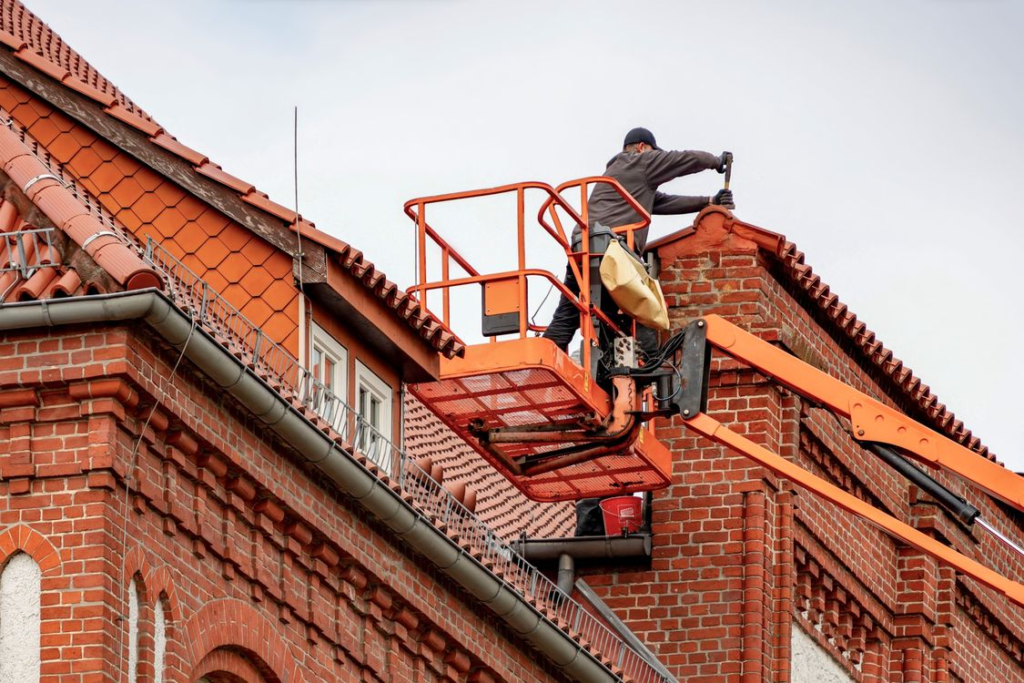
Built-up roofing systems use multiple layers of bitumen and reinforcing felt to create a roof surface with inherent redundancy. If one layer is compromised, the layers beneath can continue providing protection, an advantage that has kept built-up systems in use across commercial properties for decades.
The trade-off in Florida’s climate involves how these systems handle the interfaces where the multi-layer structure must terminate and tie into flashing at walls, curbs, and penetrations. Improperly terminated plies at these transitions are a recurring source of issues, particularly where ponding water can sit and work into termination points over time.
For properties considering built up roofing, the redundancy of the system is a genuine asset, but it should be paired with careful attention to termination details and a drainage design that minimizes ponding, especially given Florida’s frequent heavy rainfall events.
Metal Roofing: Durability and Wind Performance
Metal roofing systems offer a combination of durability and wind resistance that makes them particularly relevant for Florida’s hurricane-prone markets. Properly installed metal systems can achieve wind ratings well into the range needed to withstand major hurricane-force winds, and metal’s resistance to puncture and tearing is a meaningful advantage when flying debris is a factor during storms.
For coastal properties in Ft. Lauderdale and Miami, metal roofing specifications need to account for salt air corrosion alongside wind performance. Galvalume and other corrosion-resistant coatings extend the service life of metal systems in these environments, and metal roofing service providers in coastal markets typically specify coating systems matched to the specific salt exposure of the site.
Metal roofing represents a higher upfront investment compared to single-ply membrane systems, but its durability and wind performance characteristics often translate into a longer effective service life, an important consideration for roof replacement decisions where long-term value matters as much as initial cost.
Silicone and Aluminum Coatings: Extending Existing Roof Life
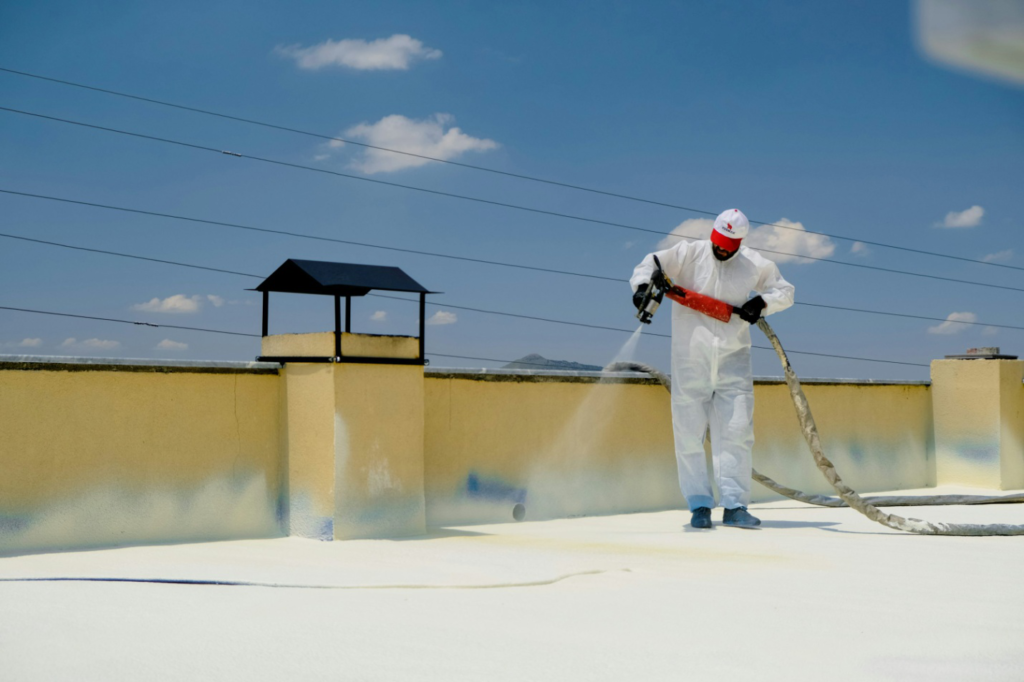
Roof coatings occupy a different category from the systems described above: rather than being a roofing system in their own right, coatings are applied over an existing roof to extend its service life, improve reflectivity, and address minor surface issues before they become significant problems.
A silicone roof coating creates a seamless, highly reflective layer that can significantly reduce rooftop temperatures, an advantage in Florida’s sustained heat. Silicone roof coating in Orlando also have strong resistance to ponding water, which makes them a relevant option for roofs with drainage challenges that cannot be fully corrected through re-grading.
Aluminum roof coatings offer a more cost-effective reflective option, often used on metal and built-up roofs to reduce UV degradation and extend service life between full replacements.
For property owners weighing roof maintenance against full roof replacement, coatings can represent a meaningful middle path, particularly for roofs that are structurally sound but showing surface-level wear from years of Florida sun exposure.
How to Think About Long-Term Value
Comparing roofing systems on installed cost alone misses the factors that actually determine value over a roof’s service life in Florida:
- How the system handles sustained heat and UV exposure without accelerated seam or surface degradation
- How the system performs under heavy, frequent rainfall, including drainage design and ponding resistance
- How the system and its attachment details perform under hurricane-force wind loading
- How the system holds up to salt air exposure for coastal properties
- What ongoing roof maintenancethe system requires to reach its full expected service life
A system that costs less initially but requires more frequent roof repair due to climate-related stress may cost more over a 15 to 20 year horizon than a system with a higher upfront cost and lower maintenance demands.
Choosing the Right System for Your Property
The right roofing system for a given property in Tampa, St. Petersburg, Sarasota, Orlando, Ft. Lauderdale, or Miami depends on the building’s specific exposure, drainage conditions, existing roof structure, and budget priorities. A roof inspection that evaluates the current condition of an existing system, alongside the building’s wind exposure category and drainage performance, provides the foundation for making this decision based on the building’s actual conditions rather than general assumptions.
Explore Commercial Roofing Options from Rhino Commercial Roofers
If you are evaluating commercial roofing in Tampa, St. Petersburg, Sarasota, Orlando, Ft. Lauderdale, or Miami, contact our team for a roof inspection. As an experienced commercial roofing contractor, we assess your building’s current condition and help determine which system, TPO, EPDM, metal, built-up, or a coating-based approach, delivers the best long-term value for your specific property. Reach out now to learn more.