
A common misconception in commercial roofing is that hurricane resistance is primarily a function of the membrane or panel material chosen. Engineers designing for high-wind regions start from a different premise: the roof is one component in a continuous structural system, and its performance during a storm depends on every connection in that system performing together.
A continuous load path uses structural connections to transfer horizontal and vertical loads from the roof to the foundation, helping keep the building intact during high-wind events. Hurricane straps, hold-down connectors, and bolts transfer loads from the building’s walls to its foundation, increasing resistance to the vertical and horizontal pressures acting on the building from wind.
For property owners across Tampa, St. Petersburg, Sarasota, Orlando, Ft. Lauderdale, and Miami, this systems-level framing matters because it changes what a roof inspection or roof replacement scope should actually evaluate. A new membrane installed over an inadequate attachment system inherits that system’s weaknesses regardless of how good the membrane itself is.
Edge and Perimeter Securement: Where Wind Failure Begins
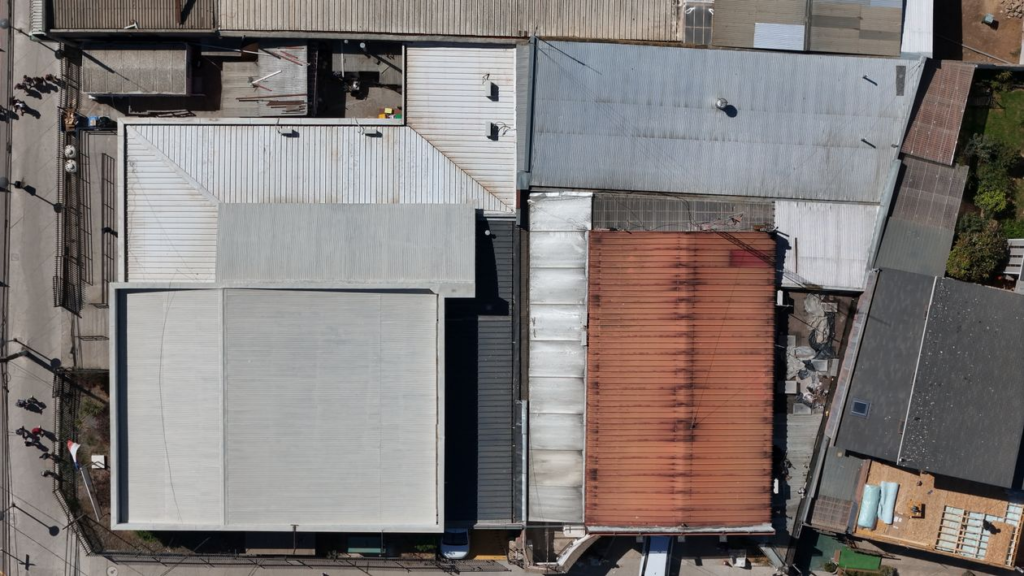
Wind does not load a roof uniformly. Uplift forces concentrate at edges, corners, and parapets, which is why these zones receive the most specific design attention.
Edge flashings, copings, and fascia covers should be designed to resist wind uplift in accordance with ANSI/SPRI ES-1, the test standard for edge systems used with low-slope roofing systems referenced in the International Building Code, and should be attached with screws and washers rather than cleats alone. Anti-bridging bars should also be installed on roof membrane liners, and where cleats are used, a peel-stop bar placed over the membrane near the edge flashing provides secondary protection against membrane lifting if the flashing or coping fails.
Low-slope built-up, modified bitumen, and single-ply roof system metal edge securement must be designed and installed for wind loads in accordance with the building code and tested for resistance under ANSI/SPRI ES-1 test methods, with the basic design wind speed determined according to the applicable wind speed maps for the building’s location.
This is one of the most consistently overlooked items in roof installation scopes. A membrane can be specified, fastened, and seamed correctly across the field and still fail catastrophically at the edge if the perimeter metal was not designed and tested to the same wind speed the rest of the system is rated for.
Rooftop Equipment Attachment: A Frequently Underestimated Risk
A significant source of storm damage on commercial roofs comes not from the membrane itself but from rooftop equipment becoming a projectile or tearing through the roof during high winds.
Where specific design guidance is unavailable, engineers follow the practices outlined in FEMA’s Recovery Advisory on attachment of rooftop equipment in high-wind regions, which provides recommendations on the number of fasteners needed for different equipment types and includes best practices for hold-down connectors, anchors, and straps to resist wind uplift.
For commercial properties in Sarasota, Orlando, and other markets where rooftop HVAC units, satellite dishes, and mechanical equipment are common, this is a specific item that should appear on any roof inspection checklist: are rooftop units anchored to a standard appropriate for the building’s wind zone, or were they installed using whatever fasteners happened to be standard at the time, regardless of regional wind requirements.
Material Selection: Performance Data over Marketing Claims
Material selection for hurricane-prone regions is grounded in standardized testing rather than general reputation.
When properly installed, many quality metal roofs are rated to resist high wind speeds in the 130 to 150-plus mph range, equivalent to the F2 tornado threshold and exceeding the demands of a Category 3 hurricane. Steel roofs also resist leaks and are much less likely to puncture, tear, or crack compared to traditional roofing materials, which becomes critical during storms when flying debris threatens roof integrity.
Rigorous testing protocols such as ASTM E1592 uplift testing simulate actual field conditions using large test chambers, with specimens tested to failure to establish reliable design parameters, and this level of testing verification is required for the most demanding applications, including those specified by the U.S. Army Corps of Engineers.
For coastal markets like Ft. Lauderdale and Miami, material selection also has to account for corrosion alongside wind resistance. Steel substrate selection becomes critical in coastal environments where salt exposure accelerates corrosion, and Galvalume coatings offer enhanced protection against this corrosion in salt-air conditions.
This is why engineers evaluating metal roofing for coastal Florida properties specify both a wind rating and a coating system rated for the specific salt exposure of the site, rather than treating these as independent decisions.
Surfacing and Ballast Materials: A Storm-Specific Restriction
Some roofing materials that perform well under normal conditions become liabilities during hurricanes.
For buildings located in hurricane-prone regions, or buildings exceeding specific mean roof height thresholds based on exposure category and design wind speed, certain surfacing and ballast materials are restricted under the building code due to the risk of these materials becoming windborne debris during a storm.
This consideration directly affects roof system selection for commercial roofing projects across all six Florida markets. A ballasted single-ply system that would be acceptable inland may not meet code requirements for a building near the coast, depending on its height and exposure category. Engineers verify this classification early in the design process, since it can eliminate entire categories of roofing systems from consideration before material-specific comparisons even begin.
Continuous Load Path Verification During Roof Replacement
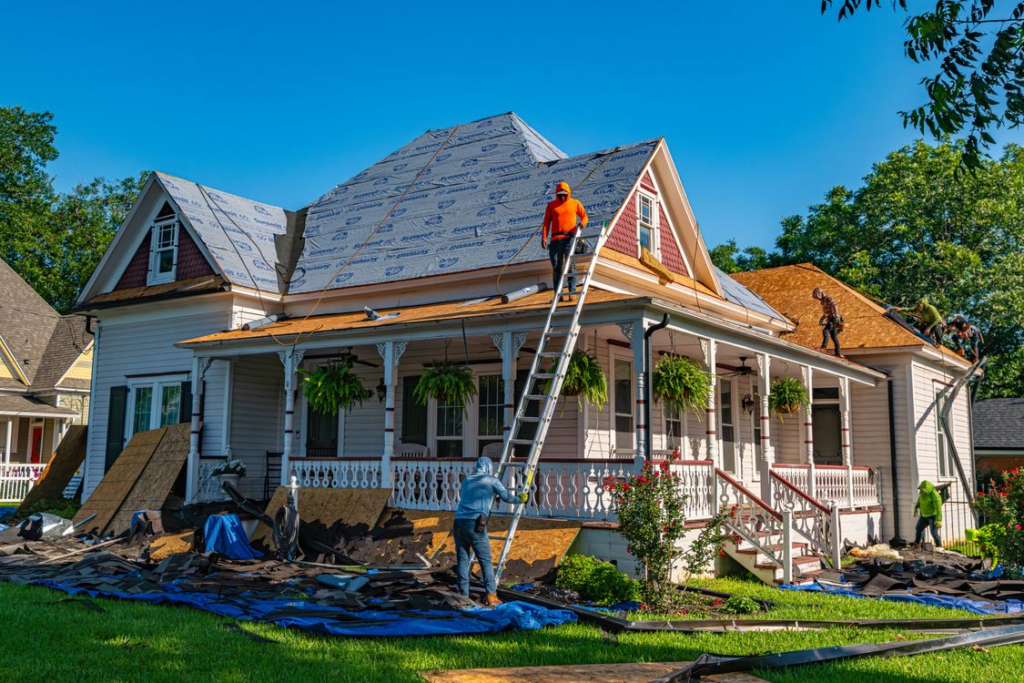
One of the most valuable opportunities in any roof replacement project is the chance to verify the continuous load path that may have been installed decades earlier under older code requirements.
Confirming with the local building department whether a building is in a hurricane-prone region, and whether local requirements exceed baseline code minimums, is a standard step engineers take before finalizing a roof system design, since wind uplift pressure diagrams and required connection details vary based on the building’s specific location and exposure.
For older commercial buildings across Tampa, St. Petersburg, and the broader region, a roof replacement scope that focuses only on the membrane and ignores the underlying attachment and load path connections may leave the building with a new roof surface sitting on an outdated structural foundation for wind resistance. Engineers treat the load path verification as a precondition for finalizing material selection, not an afterthought.
What This Means for Property Owners
For commercial property owners across Tampa, St. Petersburg, Sarasota, Orlando, Ft. Lauderdale, and Miami, the practical takeaway is that hurricane-resistant roof design cannot be evaluated by looking at the membrane or panel system in isolation. A genuinely hurricane-resistant roof reflects coordinated decisions across:
- Edge and perimeter securement tested to ANSI/SPRI ES-1 and rated for the building’s specific design wind speed
- Rooftop equipment attachment verified against current high-wind attachment standards
- Material selection supported by standardized uplift testing such as ASTM E1592, not manufacturer claims alone
- Surfacing and ballast materials confirmed compliant with hurricane-prone region restrictions for the building’s height and exposure category
- A continuous load path from roof to foundation verified against current code, particularly on older buildings
A roof inspection that addresses each of these items provides a far more complete picture of hurricane readiness than a visual assessment of membrane condition alone.
Get a Hurricane-Readiness Roof Evaluation from Rhino Commercial Roofers
If your commercial property in Tampa, St. Petersburg, Sarasota, Orlando, Ft. Lauderdale, or Miami has not had its roof system evaluated against current wind design standards, including edge securement, equipment attachment, and load path connections, contact our team for a comprehensive roof inspection. From there, we can support you with roof repair, roof maintenance, TPO Roofing, metal roofing, or full roof replacement in Ft. Lauderdale, whatever your roof system needs to perform when it matters most.