
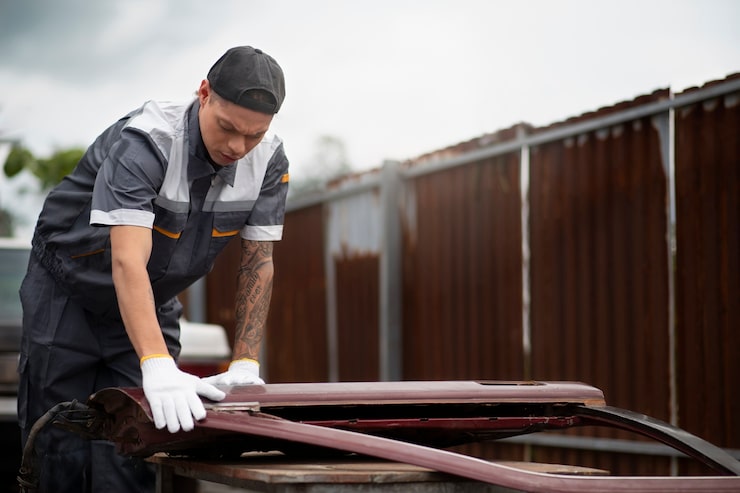
An aging commercial roof does not always require the same solution. Some buildings need localized repairs, others can be restored with a coating, a membrane or metal retrofit, or a full tear-off and replacement. Understanding commercial roof retrofit options helps property owners compare those paths before committing to a project. Our commercial roofing services cover several approaches because the existing roof condition should determine the solution.
The decision becomes especially important when weighing roof replacement in Orlando against a less disruptive recover or retrofit. Retaining parts of the existing assembly can reduce tear-off work in the right circumstances, but it also means the old roof has to be evaluated carefully. Moisture, deck condition, structural capacity, drainage, the number of existing roof layers, and local code requirements can all change what is practical. Retrofit should be treated as an engineered roofing decision, not as a shortcut around replacement.
What a Commercial Roof Retrofit Actually Means
The terms repair, restoration, recover, retrofit, and replacement describe different levels of intervention. A repair addresses a limited defect. Restoration usually improves an existing surface through repairs and a protective system such as a coating. A recover adds a new roof covering over an eligible existing assembly. A retrofit may involve a new membrane or a framed metal system installed over the existing roof. Replacement removes the existing roofing to the deck or another required level before rebuilding the assembly.
GAF’s commercial roof recover guidance emphasizes that recover projects are intended for structurally sound roofs without significant moisture or deterioration. That is a useful dividing line. Keeping the existing assembly only makes sense when the retained components can safely remain in service. Core cuts, moisture surveys, visual inspection, deck evaluation, and review of prior roof layers may all be part of deciding whether a retrofit is appropriate.
A practical retrofit study should also identify what will remain hidden after the project. Once a new membrane, cover board, or framed metal system is installed, some existing layers become more difficult to inspect directly. That makes the pre-project condition report especially valuable. Photos, moisture findings, core information, deck observations, and repair history help document why components were retained and give future maintenance teams a clearer picture of the assembly beneath the new surface.
TPO Retrofit Systems
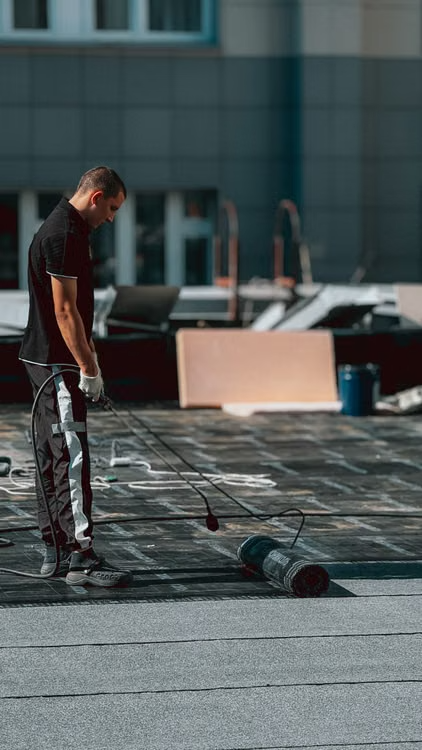
A TPO retrofit places a new thermoplastic membrane over an eligible existing roof after the surface has been evaluated and prepared. Depending on the assembly, contractors may use a cover board, insulation, separation layer, adhesives, or mechanical attachment before installing and welding the new membrane. The goal is to create a new weathering surface without removing every existing component, provided the roof beneath is suitable to remain in place.
For property owners considering roof installation in St. Petersburg, a retrofit assessment should include drainage, wet insulation, attachment conditions, perimeter details, penetrations, and the existing deck. TPO can also provide a light-colored reflective surface, but energy performance depends on more than membrane color. Insulation levels, HVAC efficiency, building use, and roof cleanliness also affect results. GAF’s TPO membrane information describes heat-welded seams and reflectivity among the characteristics of this roofing category.
Drainage deserves separate attention during a TPO recover because the new membrane will follow the geometry created by the roof assembly below it unless tapered insulation or other corrective work is included. Low areas, settled insulation, and poorly placed drains do not disappear when a fresh membrane is installed. If water already collects in predictable locations, the retrofit scope should address the cause wherever feasible instead of assuming the new surface will solve the drainage pattern on its own.
Metal Retrofit Roofing
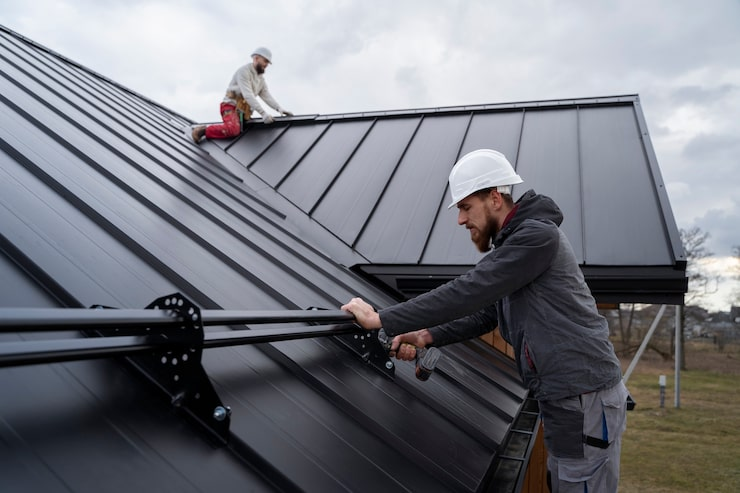
Metal retrofit systems can be used to create a new sloped or standing-seam roof over certain existing buildings. These projects often involve sub-framing or other structural components that establish the geometry and attachment points for the new metal roof. Because the retrofit adds material and changes how loads move through the assembly, structural capacity and attachment design must be evaluated before installation.
The Metal Construction Association’s guidance on retrofitting existing roofing with metal notes that added weight, the condition of the underlying deck, and the inability to inspect concealed components are important considerations when roofing over existing materials. For commercial properties, the same caution applies to any metal-over-roof strategy. A retrofit can reduce tear-off and change the appearance or drainage of a building, but it should be based on engineering, field conditions, and system-specific details.
Metal retrofit planning may also change roof geometry and water paths. Adding framing can create a steeper surface or redirect drainage toward gutters and downspouts, so the project needs coordinated details at walls, transitions, curbs, and existing penetrations. The new system also has to accommodate thermal movement and service access. These factors make field measurements and structural review important before fabrication, because retrofit metal components are usually designed around the dimensions and conditions of the existing building.
Roof Coatings as a Restoration Option
Roof coatings can provide another path when the existing roof is still serviceable but needs a renewed protective surface. Silicone, elastomeric, and other coating chemistries are fluid-applied and cure into a continuous film over compatible substrates. They can help protect against weathering and ultraviolet exposure, and reflective products can reduce solar heat absorbed at the roof surface. Coatings are not designed to hide saturated insulation, unstable decking, or unresolved drainage defects.
The Roof Coatings Manufacturers Association explains in its roof coating overview that coatings are commonly used to protect and extend the useful service life of existing roof coverings, including built-up, metal, modified bitumen, single-ply, and spray polyurethane foam systems. Suitability still depends on evaluation and preparation. Cleaning, repairs, adhesion testing where required, compatible primers, dry conditions, and correct application rates are part of a proper coating project.
Coating projects are often less invasive than full replacement, but they still require controlled jobsite conditions. Surface temperature, weather forecasts, dew, rain risk, cure time, and the cleanliness of the substrate can affect application. Areas around drains, seams, curbs, and penetrations may need reinforcing fabric, mastic, or other detail work before the field coating is applied. A coating specification should therefore include both surface preparation and detail treatment rather than focusing only on the final topcoat.
When Retrofit May Not Be the Right Choice
Some roofs are poor candidates for restoration or recover work. Widespread moisture in the insulation, significant deck deterioration, structural concerns, extensive membrane failure, repeated leak history, or too many existing roof layers can push the project toward tear-off and replacement. Drainage problems may also require changes that cannot be handled by simply adding a new surface. In those situations, retaining the old assembly can preserve the very conditions that need to be corrected.
Code and manufacturer requirements also matter. A roof that has already been recovered may face restrictions on additional layers, while changes to insulation, wind design, edge securement, or rooftop equipment can affect the new system. Owners should avoid treating retrofit eligibility as a visual judgment from ground level. The question is not whether the roof looks old. The question is whether the retained components are dry, stable, structurally suitable, compatible, and able to support the new assembly.
Owners should also consider whether future work would immediately disturb the new retrofit. If major HVAC replacement, structural alterations, new rooftop units, solar installation, or building expansion is planned soon, coordinating those projects can prevent new roofing from being cut open shortly after completion. A full replacement may also be more logical when several layers of past work have made the assembly difficult to diagnose or when the owner needs direct access to the deck for repairs and upgrades.
Evaluate Cost, Disruption, and Long-Term Objectives Together
Retrofit projects can reduce demolition, debris handling, noise, and exposure of the building interior compared with a full tear-off, but those advantages only matter if the chosen assembly solves the underlying roofing problem. A recover that leaves wet insulation in place or ignores deck deterioration can create future work rather than reduce it. Owners should compare the scope of preparation, expected maintenance, warranty or guarantee requirements, future access needs, and the remaining serviceability of retained components.
Long-term property plans should also influence the decision. A building that will remain in the portfolio for many years may justify a different assembly from one scheduled for major renovation. Planned solar panels, HVAC replacement, tenant changes, or rooftop equipment can affect attachment and access. The best project balances current disruption with future maintenance and gives the owner a clear understanding of what is being retained, what is being replaced, and how the new roof will be serviced.
Choose the Retrofit Path After a Roof Evaluation
Owners arranging roof inspection services in Orlando should use that evaluation to separate roofs that are good retrofit candidates from roofs that need more extensive work. Moisture, deck condition, drainage, structural capacity, existing layers, and compatibility should be documented before the scope is finalized.
A qualified metal roofing contractor in Orlando should also be able to explain the structural and attachment requirements behind a metal retrofit rather than presenting it as a simple overlay. The same standard applies to membrane recovers and coatings: the new system should be selected because the existing roof supports it, not because it avoids tear-off.
At Rhino Commercial Roofing, we provide commercial roof evaluations, TPO retrofits, metal retrofit roofing, coatings, repairs, and replacement-related services for Florida properties. Property owners can review our metal retrofit roofing solutions when comparing framed metal options. To discuss whether an aging roof may qualify for a membrane recover, explore our TPO retrofit services.