
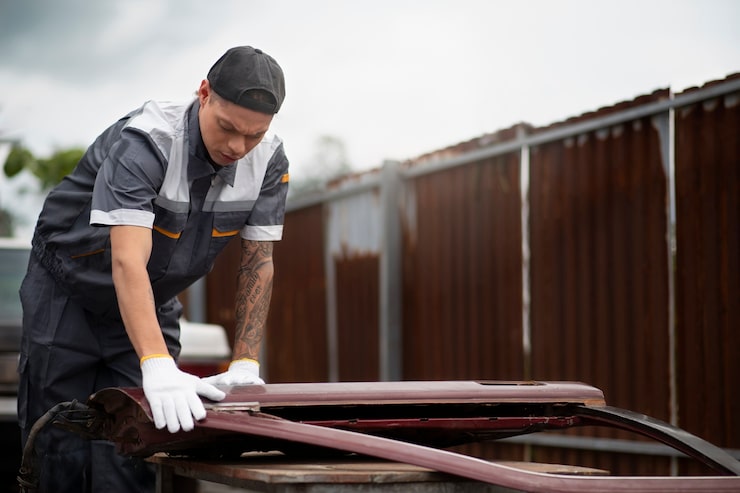
EPDM is a flexible rubber membrane designed for low-slope roofs. It offers weather resistance and flexibility, making it a practical option for warehouses, offices, retail properties, and other commercial buildings. Commercial roofing decisions should consider the whole roof assembly, not only the membrane.
EPDM can accommodate normal movement caused by temperature changes. Its performance still depends on proper detailing, drainage, installation, and maintenance. Rhino lists EPDM among its commercial roofing systems for Florida properties.
How does EPDM perform under Florida weather exposure?
EPDM handles temperature changes well because its rubber membrane can flex as conditions change. However, no roofing system is maintenance-free. Sun, heavy rain, standing water, wind, debris, and rooftop traffic can all affect performance over time. Florida’s climate creates several demands at once. Intense sunlight, heavy rain, and storms can test seams, flashing, drainage components, and perimeter details.
Water management also matters. Low-slope roofs shed water more slowly than steep roofs. Blocked drains or poor drainage can leave water standing for extended periods. A well-designed drainage system and regular maintenance help reduce this risk.
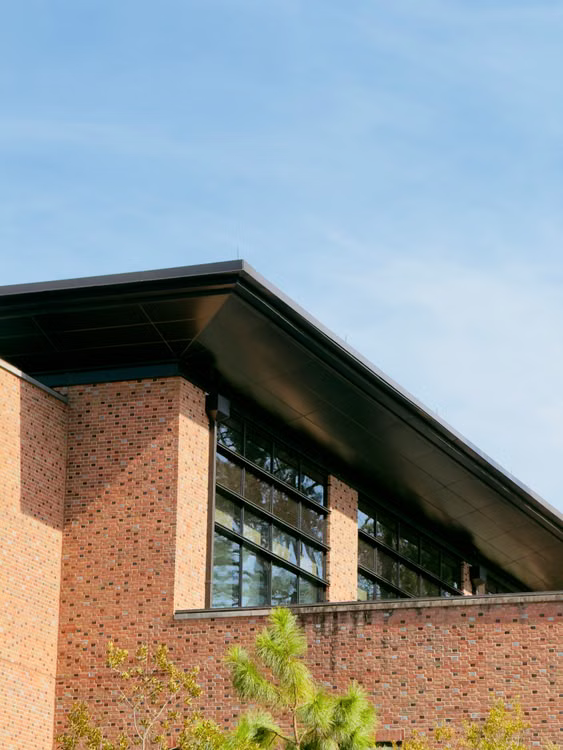
What determines the longevity of an EPDM roof?
An EPDM roof’s service life depends on material quality, installation, exposure, maintenance, and the condition of the supporting assembly. Regular care and prompt repairs can help preserve performance, while good materials cannot compensate for poor detailing. The roof’s lifespan starts with a sound, dry, properly prepared substrate. Insulation, cover boards, fasteners, adhesives, seams, and perimeter components must work together.
A quality roof installation should also account for rooftop equipment and access routes. HVAC technicians and maintenance crews may cross the roof regularly. Without protected walk paths or other safeguards, repeated traffic can increase the risk of punctures. Seams, penetrations, and edges deserve special attention because they experience movement and concentrated stress.
How should an EPDM roof be maintained?
Regular roof maintenance should focus on finding small problems before they become larger failures. A practical program includes scheduled inspections, drainage checks, seam reviews, flashing assessments, debris removal, and prompt attention to visible damage. Property teams should check the roof after major storms and during scheduled maintenance visits. Look for:
- Blocked drains and scuppers
• Punctures, cuts, or exposed areas
• Loose or separated seams
• Damaged flashing around curbs, vents, and pipes
• Areas where water remains after rainfall
• Damage near frequently serviced equipment
A roof inspection provides a more detailed assessment when the membrane’s condition is uncertain. An experienced roofer can examine areas that are difficult to judge from ground level and identify problems before they affect the building interior. Documenting inspections and repairs also helps owners identify recurring problems and plan future expenses.
A maintenance plan should also consider how the building is used. A warehouse with frequent rooftop service activity may need closer monitoring around equipment and walk paths. A property surrounded by trees may need more frequent debris removal. These small differences make a maintenance schedule more effective because it responds to actual roof conditions rather than relying on a fixed checklist alone.
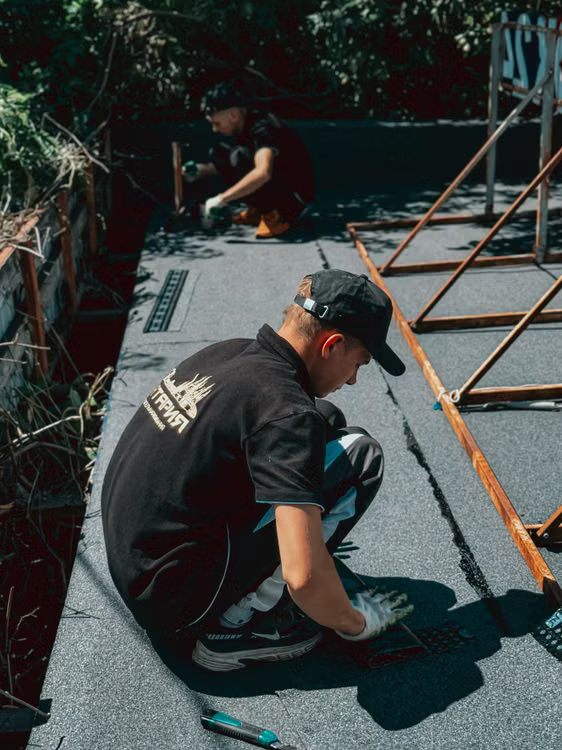
It is also useful to compare inspection findings over time. A recurring seam issue or repeated ponding area may reveal a developing weakness that is easy to overlook during a single visit. Trend tracking helps owners decide when repair, restoration, or replacement deserves closer consideration.
What are the most common concerns with EPDM systems?
Common concerns include seams, punctures, flashing, drainage, and aging. These problems do not automatically mean the entire roof has failed, especially when damage remains localized and the surrounding membrane is sound. Punctures may result from tools, fasteners, branches, or careless foot traffic. Seams and flashing also deserve close attention because they connect different parts of the roof assembly.
Leaks can be misleading. Water may travel through the roofing assembly before appearing on an interior ceiling or wall. A roof leak repair should therefore begin by locating the source rather than simply sealing the first visible stain. Recurring leaks or repeated repairs may indicate broader deterioration. A professional assessment can distinguish isolated defects from larger problems.
When should an EPDM roof be repaired or replaced?
Repair is generally appropriate when damage is localized, and the surrounding membrane and roof assembly remain in good condition. Replacement becomes more relevant when deterioration is widespread, leaks recur, or the existing system can no longer provide dependable performance.
A roof replacement decision should consider more than the number of leaks. Owners should review membrane condition, insulation, drainage, flashing, repair history, and the likely cost of continued maintenance. For example, one puncture in a healthy membrane may require only a targeted repair. Widespread seam deterioration, recurring leaks, or significant underlying moisture can point toward replacement planning.
Planning ahead also gives owners greater control over budgets and schedules. Waiting for a major failure can turn a manageable project into an urgent one that disrupts business operations.
How does EPDM compare with other commercial roof systems?
EPDM is one option among several systems used on low-slope commercial buildings. TPO roofing is another single-ply option, while built-up roofing uses multiple layers to form a robust assembly. Each system has different characteristics and should be evaluated against the building’s needs. Compare service life, maintenance, installation conditions, drainage, rooftop traffic, energy goals, warranties, and long-term property plans. Material price alone does not show value.
A metal roofing specialist can help owners make this comparison based on the actual roof rather than a generic recommendation. The right system depends on the building, existing assembly, budget, and expected operating conditions.
What should owners consider before selecting an EPDM system?
Owners should evaluate the existing roof, drainage, building use, rooftop traffic, insulation, budget, and long-term property plans. The goal is to match the membrane to the building rather than choosing a product in isolation.
Start with the current assembly. Moisture, damaged decking, poor drainage, and other substrate problems should be addressed before a new membrane is installed. Include penetrations, curbs, drains, edges, and rooftop equipment in the plan.
Owners should also consider restoration options. Rhino provides aluminum roof coatings among its commercial roof services, which may be worth discussing when an existing roof is a candidate for restoration rather than complete replacement.
Look beyond initial bids. Maintenance, service life, repair frequency, energy performance, and replacement timing all affect the real cost.
Why does professional installation matter for EPDM longevity?
Professional installation affects how the EPDM assembly handles water, movement, wind, and everyday rooftop use. Correct seam work, perimeter detailing, compatible materials, and careful flashing all contribute to long-term performance. A qualified roofing contractor should assess the roof before work begins. That assessment can reveal wet insulation, damaged decking, drainage concerns, or other conditions that could compromise the new system.
Rhino Commercial Roofing brings more than 50 years of family-owned experience across Florida. The company is BBB-accredited and has certified installers for Johns Manville, Versico, MuleHide, and American WeatherStar. The company also holds MuleHide No Dollar Limit warranty certification, certification number C052315793. Warranty availability depends on the system, manufacturer requirements, and project conditions.
How can you plan for a longer-lasting EPDM roof?
A longer-lasting EPDM roof starts with the right system, careful installation, routine maintenance, and timely repairs. Owners who monitor drainage, protect high-traffic areas, document inspections, and address defects early have more opportunities to extend useful roof life.
The best approach is proactive. Do not wait for interior water stains. Schedule evaluations, inspect after storms, keep drainage paths clear, and address small membrane or flashing problems early.
Rhino provides roof repair services throughout Florida, including inspections, repairs, maintenance, tear-offs, replacements, coatings, and multiple commercial roof systems. The company also offers 24/7 emergency service.
If you are evaluating an aging EPDM roof, start with a professional assessment. Review Rhino’s commercial roof services, learn more about the company’s experience, or request a free roofing quote to discuss the right next step for your property.