
Florida’s abundant sunshine is one of its biggest attractions, but constant exposure to sunlight can be demanding on commercial roofing systems. Roofs spend much of the year exposed to intense ultraviolet radiation, heat, and changing weather conditions. Over time, this exposure can contribute to material deterioration and reduce the roof’s ability to protect the building.
For commercial property owners, understanding how UV exposure affects roofing materials can make it easier to plan maintenance, identify early warning signs, and consider protective solutions that support long-term roof performance.
How UV Exposure Affects Commercial Roofing
Ultraviolet radiation can gradually break down roofing materials. Repeated exposure may cause surfaces to become brittle, faded, cracked, or otherwise weakened depending on the roofing system and its age.
Florida’s heat can add to this stress. Roofing materials repeatedly expand during hot conditions and contract as temperatures change. When this happens over many years, seams, flashing, coatings, and other components can experience additional wear.
Regular attention from a professional roofing contractor in Miami can help property owners recognize these changes before they develop into more extensive roofing concerns.
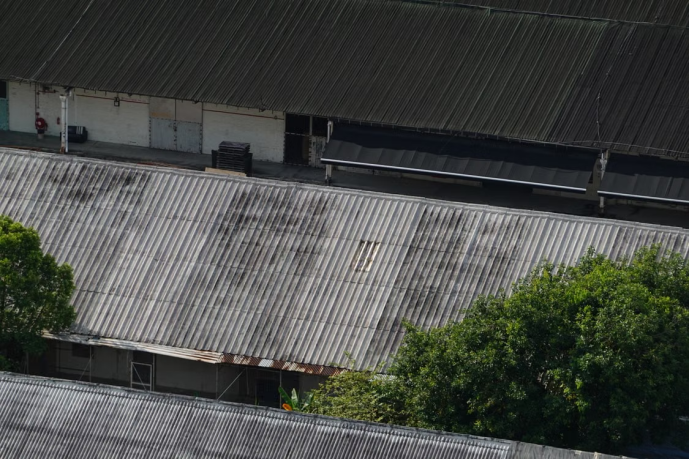
Signs of Sun-Related Roof Deterioration
UV damage does not always lead to an immediate leak. In many cases, the roofing system gradually becomes less resilient before obvious problems appear. Knowing what to look for can encourage earlier professional evaluation.
Surface Cracking and Brittleness
Some roofing materials can become increasingly brittle after prolonged exposure. Small cracks or surface deterioration may eventually create opportunities for moisture to enter.
Fading and Surface Changes
Visible changes in a roof’s surface can sometimes indicate aging or coating deterioration. While appearance alone does not determine the condition of a roof, noticeable changes can be a reason to schedule an inspection.
Deteriorated Seams and Flashing
Seams, joints, and flashing can be especially important because they help maintain continuity across the roofing system. Sun exposure combined with weather and normal aging can cause these areas to deteriorate.
Why Reflective Roof Coatings Can Help
Reflective coatings can provide an additional layer of protection for suitable commercial roofing systems. Rather than allowing the roof surface to absorb as much solar energy, reflective coatings are designed to reflect a greater portion of incoming sunlight.
A properly selected coating can help reduce surface heat and provide protection against ongoing environmental exposure. Depending on the existing roofing system and its condition, an aluminum roof coating solution may be considered as part of a broader roof maintenance strategy.
Silicone-based products can also be suitable for certain commercial applications. A silicon roof coating in St. Petersburg may help create a protective surface while addressing specific needs of an existing roofing system.
Maintenance Still Matters
Roof coatings are not a substitute for regular maintenance. Before applying a coating, the existing roof should be evaluated to determine whether the surface is suitable and whether underlying issues need to be addressed first.
Routine inspections can help identify deteriorated materials, damaged flashing, drainage concerns, and other conditions that may affect roof performance. Catching these issues early can make it easier to plan repairs rather than waiting for significant damage.
Protecting Your Commercial Roof for the Long Term
At Rhino Commercial Roofers, our services include commercial roof inspections, roof repairs, roof replacements, roof installations, metal roofing, and protective roof coating solutions. We can assess your existing system and help determine whether repairs, maintenance, or a suitable coating is the right approach.
Contact Rhino Commercial Roofers today to discuss your commercial roofing needs and protect your investment for the years ahead.