
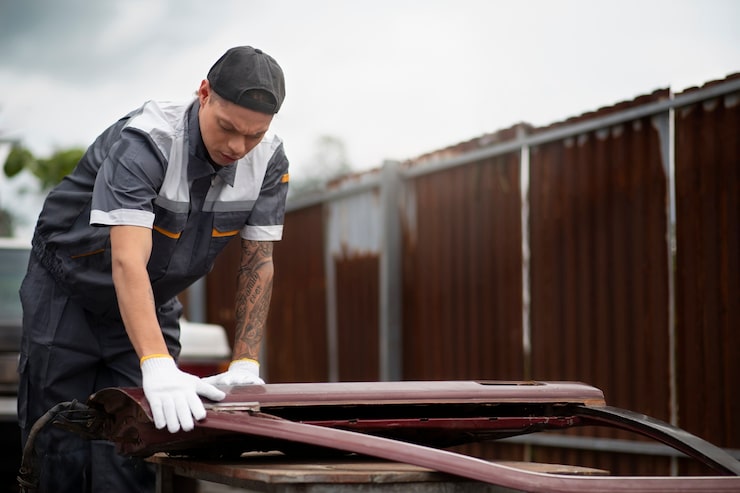
Commercial roofs face constant exposure to intense sunlight, humidity, heavy rainfall, and seasonal storms. In Florida, these conditions can gradually affect roofing membranes, seams, flashing, drainage systems, and protective coatings. Without regular maintenance, minor defects can develop into leaks, interior damage, and expensive repairs.
For property owners and facility managers, a consistent maintenance plan helps identify developing problems and protect the building’s roofing investment.
This guide covers essential maintenance practices, from routine inspections and drainage checks to rooftop equipment, protective coatings, and storm preparation.
Why Commercial Roof Maintenance Matters
Florida’s climate creates several challenges for commercial roofing systems. Ultraviolet exposure can accelerate surface deterioration, while temperature changes place stress on seams, joints, and flashing. Heavy rainfall and wind-driven moisture can also expose weaknesses around roof penetrations and drainage points.
A proactive commercial roofing maintenance plan in Miami helps property managers monitor these risks and address defects before they worsen. Although routine maintenance cannot prevent every roofing failure, it can improve visibility into the roof’s condition and support informed decisions about repairs, restoration, and replacement.
Inspecting Commercial Roofs Regularly
Routine inspections are the foundation of effective maintenance. Rather than waiting for water stains or interior leaks, property managers should arrange inspections according to the roof’s condition, age, material, and manufacturer recommendations. Additional assessments may be appropriate after severe weather or rooftop construction work.
A thorough inspection should cover the following areas.
Roofing Surface and Membrane
Check for punctures, cracks, blisters, loose sections, and visible deterioration. Metal roofs should also be assessed for corrosion, damaged panels, and loose fasteners. On coated roofs, look for peeling, thinning, and exposed underlying materials.
Seams and Roof Edges
Inspect seams, joints, and termination points for separation, lifting, damaged sealants, and other signs of wear. These areas can become vulnerable as roofing materials age or respond to temperature changes.
Flashing and Penetrations
Examine flashing around pipes, vents, skylights, walls, and equipment supports. Damaged flashing or deteriorated seals can create pathways for water, even when the surrounding roofing surface appears intact.
Interior Warning Signs
Look for ceiling stains, bubbling paint, damp materials, and unexplained moisture beneath the roof. Water can travel along structural components, so the visible damage may not be directly beneath the entry point.
Arranging a roof inspection service in Miami can help property owners identify these warning signs and document the roof’s condition before problems become more extensive.
Maintaining Roof Drains and Drainage Systems
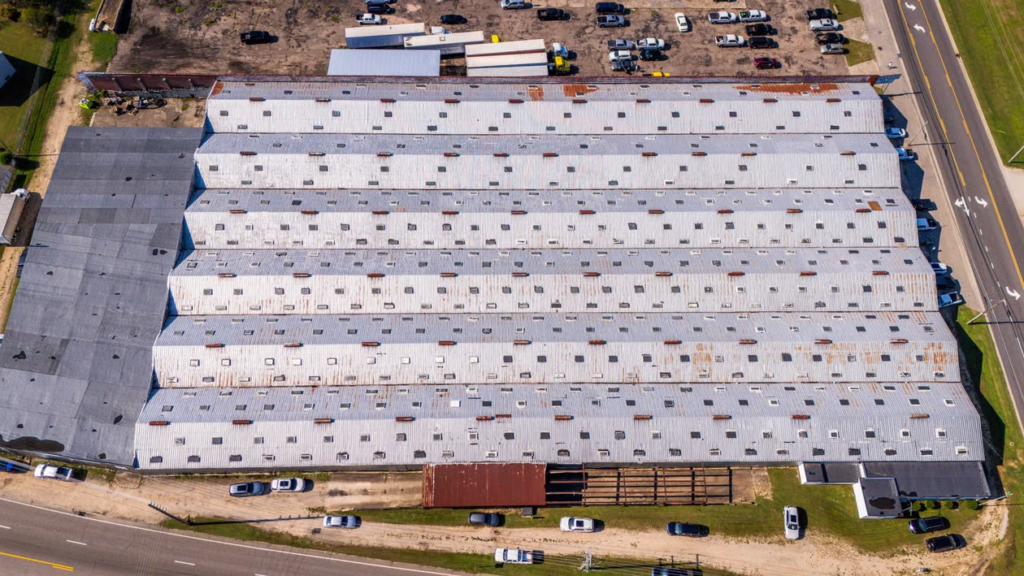
Commercial roofs depend on effective drainage to direct rainwater toward drains, gutters, scuppers, and designated outlets. When these components become blocked or stop functioning properly, water may accumulate and increase stress on the roofing system.
Listed below are some essential drainage maintenance tasks:
Remove Debris
Clear leaves, branches, packaging, and other debris from drainage points. Checks are particularly important after storms and periods of heavy rainfall. Cleaning should be performed carefully to avoid damaging the roofing material.
Investigate Standing Water
Persistent ponding may indicate blocked drains, inadequate slope, structural deflection, or another drainage problem. The cause should be investigated rather than assuming the water will eventually disappear without consequences.
Examine Drain Connections
Inspect the surrounding roofing material, drain covers, and visible connections for damage or separation. Keeping drains clear is important, but their seals and surrounding details must also remain in good condition.
Businesses investing in commercial roofing should include drainage checks in their regular maintenance schedules rather than waiting for water accumulation to become noticeable.
Protecting Flashing and Rooftop Equipment Areas
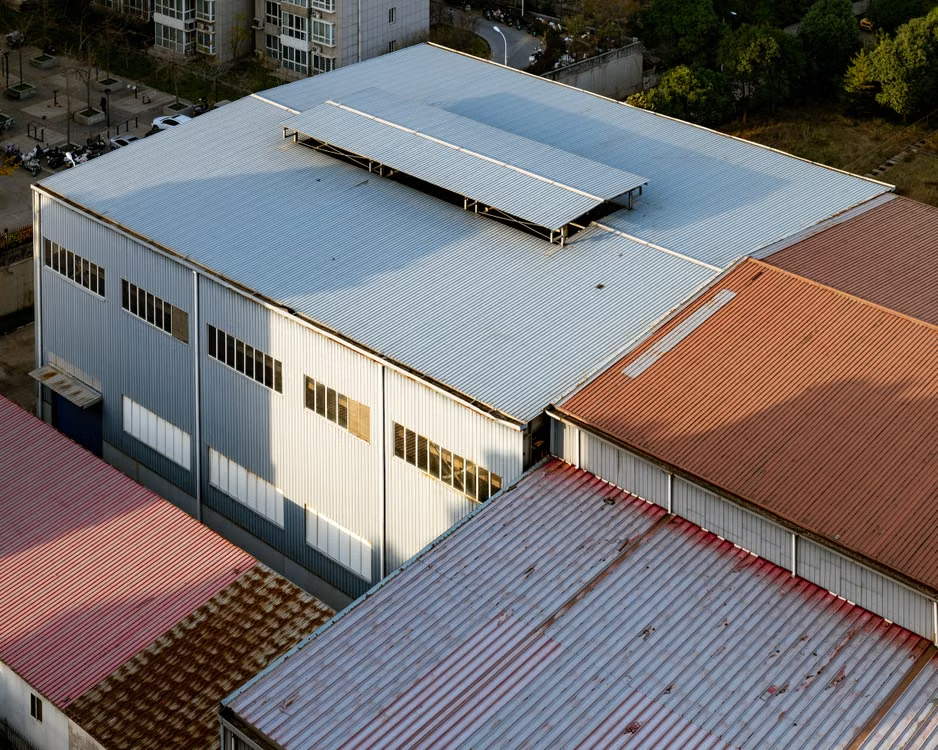
Flashing protects transitions where roofing materials meet walls, pipes, vents, HVAC units, and other installations. These details deserve particular attention because small gaps can allow moisture to enter the building.
During inspections, check for cracked sealants, loose flashing, corrosion, and separated joints. Repairs should use materials compatible with the existing roofing system.
Rooftop equipment also introduces additional risks. HVAC technicians and other contractors may accidentally puncture membranes, disturb seals, or damage protective coatings while completing maintenance work.
Here are a few area that need extra attention:
HVAC Units and Supports
Check equipment bases for damaged flashing, loose supports, and signs of water accumulation. Ensure servicing does not leave exposed fasteners or improperly sealed penetrations.
Walkways and Access Routes
Repeated foot traffic can wear coatings and damage roofing membranes. Designated walkways and suitable protective materials can help reduce damage in frequently accessed areas.
Recently Serviced Equipment
Inspect locations where contractors have recently installed, removed, or repaired equipment. Promptly addressing disturbed roofing details helps prevent avoidable leaks.
A professional roofing contractor in Tampa can assess these vulnerable areas and help property managers coordinate roofing requirements with other building maintenance activities.
Monitoring Roofing Membranes and Protective Coatings
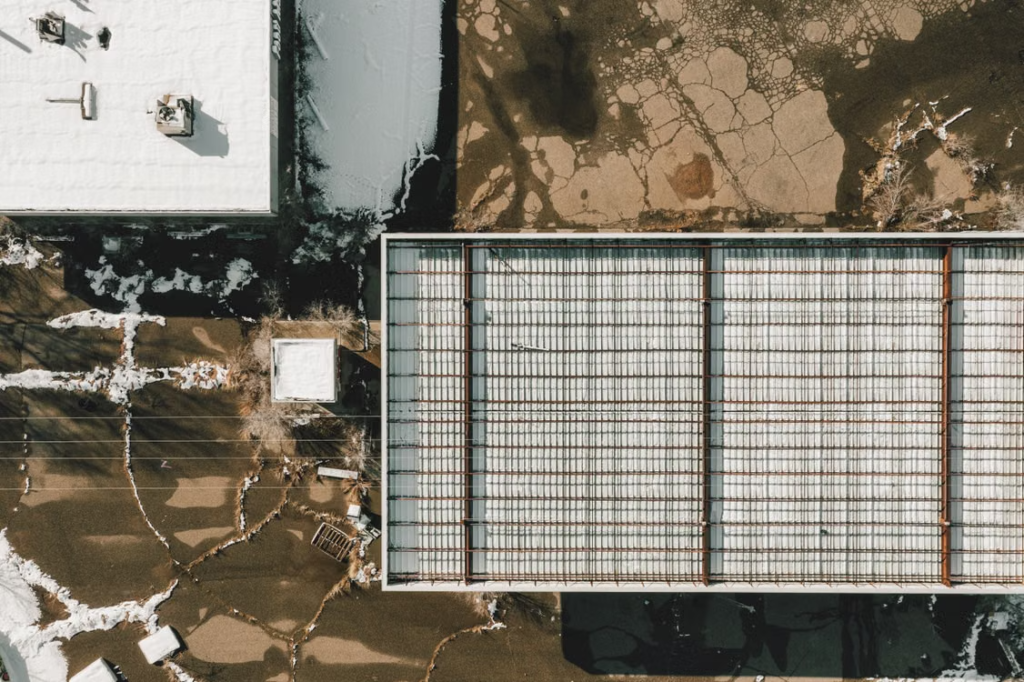
Different roofing materials develop different warning signs. Membrane systems should be checked for punctures, open seams, wrinkles, and separation around penetrations. Metal roofing requires attention to corrosion, fasteners, panel joints, and protective finishes.
Coated roofs also need periodic assessment. Look for peeling, uneven wear, cracks, and areas where the underlying material has become exposed. The appropriate maintenance depends on the coating product and the condition of the existing roof.
For properties using aluminum roof coatings, inspections should include the coating’s condition, visible corrosion, and vulnerable details around seams and penetrations.
Silicone coatings should also be checked around drains, flashing, and previously repaired sections. Even moisture-resistant coatings cannot compensate for structural damage, failed flashing, or unresolved drainage problems.
Keep records of coating products, installation dates, repairs, and warranty requirements. These details help determine whether localized repairs or future recoating may be necessary.
Responding to Commercial Roof Leaks
A roof leak should be investigated promptly, even when only a small amount of water is visible. Moisture can damage insulation, ceilings, electrical systems, inventory, and equipment. Delayed repairs may allow the problem to spread.
Mentioned below are somethings to do when a leak appears:
Protect the Interior
Move stock and furnishings away from affected areas where practical. Keep people clear of unstable ceiling materials and follow appropriate procedures around electrical hazards.
Document the Damage
Record where the leak appeared, when it started, and whether it followed rainfall or rooftop work. Photographs can help contractors investigate the issue.
Arrange a Professional Assessment
The visible water stain may be far from the actual entry point. A professional should investigate the roof and surrounding details to identify the source before recommending repairs.
Check for Related Problems
Once the leak is addressed, examine nearby seams, flashing, drains, and penetrations for additional defects.
Businesses requiring roof leak repair services should arrange timely assistance to limit further damage and determine whether the problem involves a localized defect or a more extensive roofing issue.
Preparing Commercial Roofs for Florida’s Storm Season
Storm preparation should be part of an established maintenance schedule. Although no inspection can guarantee that a roof will withstand every severe weather event, identifying preventable vulnerabilities can help reduce avoidable problems.
Before a Storm
- Inspect for loose components, deteriorated seams, and damaged flashing.
- Clear drains and remove loose debris.
- Secure rooftop items according to applicable requirements.
- Keep maintenance records and contractor contact information accessible.
After a Storm
- Check for displaced panels, punctures, damaged roof edges, and blocked drains.
- Look for interior leaks and unexplained moisture.
- Photograph visible damage and arrange professional repairs.
- Avoid accessing wet, unstable, or storm-damaged roofing areas.
Property owners considering roof replacement services should document significant damage and obtain a professional assessment before deciding whether repairs, restoration, or replacement is appropriate.
Protecting Your Commercial Roofing Investment
Commercial roof maintenance requires consistent attention to drainage, flashing, membranes, coatings, equipment areas, and storm-related damage. Regular inspections and timely repairs help property owners understand their roof’s condition and address developing problems before they become larger projects.
At Rhino Commercial Roofing, we provide commercial roofing in Tampa Florida businesses, including roof inspections, maintenance, leak repairs, metal roofing, protective coatings, installations, and complete roof replacements. Our services help property owners assess existing roofing conditions and determine the most practical approach to maintaining, repairing, or restoring their systems.
Contact our team today to discuss your commercial roofing needs and request a free estimate.