
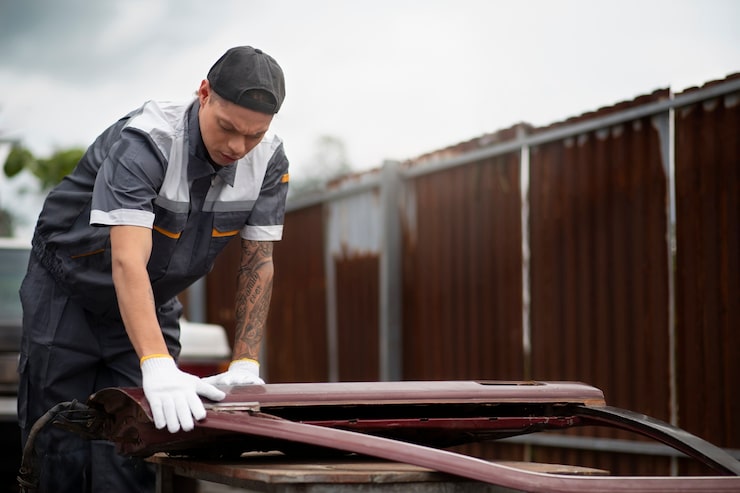
PVC roofing is a single-ply membrane built for commercial buildings where water, heat, UV exposure, and chemical contact can put pressure on the roof. Its heat-welded seams create a continuous surface, while the material offers strong resistance to many chemicals. That combination can make PVC a practical choice for restaurants, manufacturing facilities, warehouses, healthcare buildings, and other demanding properties.
How Does PVC Roofing Protect a Commercial Building?
PVC protects a commercial building through a flexible single-ply membrane with heat-welded seams and detailing designed to keep water outside the roof assembly. It is particularly useful on low-slope roofs where waterproofing and resistance to weathering are important.
PVC, short for polyvinyl chloride, is a thermoplastic membrane. During installation, controlled heat welds overlapping sheets together. The resulting seam forms a strong connection that helps limit pathways for water intrusion. GAF notes that heat-welded PVC seams provide strong seam performance, while the membrane offers long-term weathering and UV resistance. For a property owner, the key question is whether the complete assembly fits the building. A roof inspection can help identify existing conditions before a new system is selected.
Why Does Chemical Resistance Matter on Commercial Roofs?
Chemical resistance matters when a roof may encounter grease, oils, exhaust contaminants, manufacturing chemicals, or other substances that can affect some roofing materials. PVC is often considered for these environments because it can provide strong resistance to a broad range of chemical exposure when correctly selected and specified.
This matters for food service and manufacturing properties. Grease, animal fats, vegetable oils, and other substances can reach a roof through exhaust systems or rooftop equipment. PVC and PVC KEE membranes are commonly considered for applications where chemical resistance is important, including food service and manufacturing.
Chemical resistance is not unlimited. The substance, concentration, temperature, frequency, and duration of exposure all matter. A commercial roofing contractor should review the expected conditions instead of assuming that every PVC membrane will resist every chemical.
How Does PVC Handle Florida Weather?
PVC can suit Florida commercial buildings because the membrane is designed for weathering and UV exposure, while light-colored membranes can reflect solar radiation. Proper drainage and detailing remain essential because Florida roofs also face heat, humidity, heavy rain, and storms. Rhino Commercial Roofing says its systems are designed to withstand Florida’s demanding climate, including heat, humidity, heavy rain, and storms. Its service portfolio includes PVC alongside TPO, EPDM, built-up, metal, and coating systems.
A reflective white membrane can also limit heat absorption at the roof surface. Highly reflective and emissive white PVC surfaces can offer potential cooling savings, although actual energy savings vary with climate, insulation, HVAC efficiency, utility rates, and other building factors. For a Florida property owner, a roof maintenance plan can help identify developing issues before they become major failures.
What Installation Details Matter Most?
The most important installation details are the substrate, attachment method, seams, flashing, penetrations, drainage, and perimeter conditions. Each component must work with the others to create a continuous roof system that can manage water, movement, weather exposure, and rooftop activity.
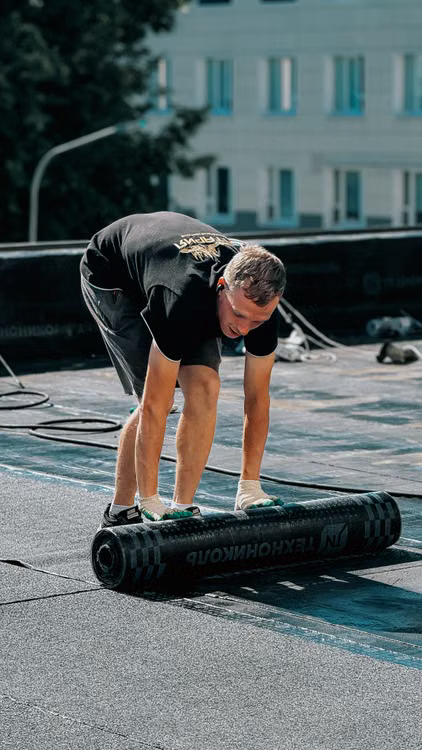
PVC systems can be mechanically attached, adhered, or installed using other approved configurations. The correct method depends on the building, deck, insulation assembly, wind requirements, and project specifications. Industry specifications cover adhered, mechanically attached, induction-welded, and ballasted PVC systems.
Seam quality deserves particular attention. Heat welding can create a strong connection between membrane sheets, but the process must be performed correctly. Poor preparation, contamination, incorrect temperature, or inconsistent technique can compromise a seam.
Penetrations also need careful detailing. HVAC curbs, pipes, drains, vents, and rooftop equipment create transitions in the membrane. These areas need appropriate flashing to prevent water from finding a path into the assembly. A qualified professional roofing contractor should also account for perimeter and corner conditions, where wind forces can place greater demands on the system.
For a commercial owner, installation quality is especially important because rooftop work can affect equipment, tenants, employees, and daily operations. Planning access routes, protecting rooftop equipment, controlling debris, and coordinating work schedules can reduce unnecessary disruption during a project.
A PVC system should also be evaluated as part of the building’s long-term maintenance plan. Regular checks can catch damaged flashing, loose details, blocked drains, or surface problems before water reaches the underlying assembly. Good maintenance does not eliminate the need for professional inspections, but it can support more predictable roof performance over time.
Which Commercial Properties Can Benefit From PVC Roofing?
PVC can be a strong candidate for low-slope commercial properties where waterproofing, weather resistance, reflectivity, and chemical resistance are important. Food service facilities, manufacturing buildings, healthcare properties, warehouses, and similar structures may benefit when their exposure conditions match the membrane’s capabilities.
PVC is not automatically the best option for every building. TPO roofing, EPDM roofing, and built-up roofing each have different characteristics and applications. The choice should start with the building rather than the material.
A roofing contractor can evaluate the roof’s age, structure, drainage, existing membrane, building use, and expected exposure before recommending a system. That process helps prevent a material choice based only on initial cost.
When Should You Consider Repair, Replacement, or a New PVC System?
The right choice depends on the existing roof’s condition. Localized damage may call for repair, while widespread deterioration, recurring leaks, wet insulation, or an aging assembly may justify replacement. A new PVC system can be considered when the building needs a complete solution matched to its operating environment. A roof repair can address localized damage when the surrounding assembly remains serviceable. If a leak has appeared, prompt roof leak repair can help limit interior and structural damage. Neither situation automatically means the entire roof needs replacement.
For a deteriorated roof, roof replacement may provide a more reliable long-term solution than repeatedly repairing isolated failures. When the existing structure supports a new system, Roof installation can be planned around drainage, insulation, attachment, and operational requirements. The decision should come from a detailed assessment rather than guesswork. A professional roofing service can help property owners understand the condition of the existing system and compare practical options.
How Can a Commercial Property Owner Choose the Right Roofing System?
A property owner should compare roofing systems based on exposure, building use, existing roof conditions, drainage, maintenance needs, installation requirements, and long-term performance rather than choosing solely by material price. A qualified roofing professional can evaluate these factors and recommend an appropriate assembly.
Rhino Commercial Roofing provides commercial roofing systems and services across Florida, including inspections, repairs, replacements, installations, coatings, tear-offs, and multiple membrane options. The company states that it has more than 50 years of combined family-owned experience and focuses exclusively on commercial roofing.
Rhino also identifies itself as BBB-accredited and lists certified installation credentials with Johns Manville, Versico, MuleHide, and American WeatherStar. Its website lists an NDL Warranty certification number, C052315793.
That matters in Florida, where a roof may face intense sun, sudden rain, humidity, and storm-related stress within the same season. Choosing a system that matches the building’s actual exposure can reduce avoidable problems and support better long-term value.
Rhino Commercial Roofing can help evaluate the options and determine whether PVC is a suitable fit for your building today in Florida. Learn more about our commercial roofing services, review our roofing expertise, or request a free estimate to discuss your project.