
An aging commercial roof does not always need to be replaced before it can receive adequate protection. For many properties, a properly selected elastomeric roof coating in Florida can become part of a restoration plan that reinforces the weathering surface while keeping the existing roof assembly in place.
The decision should begin with assessing the roof condition, compatibility, and moisture rather than with the coating alone. Property owners reviewing roof coatings should first determine whether the roof is sound enough to be restored rather than replaced.
That distinction matters for property owners comparing roof repair in St. Petersburg with broader restoration options. A coating is not a shortcut around failed insulation, deteriorated decking, active moisture trapped in the assembly, or drainage problems that need correction. It is a protective system applied to a roof that has been properly evaluated. Starting with the right diagnosis helps avoid covering over defects that still require repair.
How Elastomeric Roof Coatings Work
Elastomeric coatings are liquid-applied products that cure into a flexible protective film over the roof surface. The term elastomeric refers to the coating’s ability to stretch and recover as the roof moves through temperature changes and normal building movement. Depending on the product and approved assembly, these coatings can be used over substrates, such as metal, modified bitumen, spray polyurethane foam, built-up roofing, or selected single-ply membranes.
The coating becomes part of the weathering surface, so its performance depends on adhesion, film thickness, reinforcement at details where required, and the condition of everything underneath it. Many white elastomeric products are highly reflective. A reflective surface can reduce the amount of solar energy absorbed by the roof, which may lower roof surface temperatures in sunny conditions. That can be useful in Florida, but owners should separate surface reflectivity from claims about a particular building’s utility bills. Insulation levels, HVAC performance, building use, roof area, and climate all influence the final energy result.
Roof Conditions That May Be Suitable for Coating
The strongest coating candidate is generally a roof whose underlying assembly is still serviceable. Before restoration, the roof should be checked for active leaks, wet insulation, loose or failed materials, open seams, damaged flashing, corrosion on metal components, and areas where water does not drain as intended. Local repairs may be necessary before coating begins, and some roofs will be better candidates for replacement or another retrofit method.
Property owners considering roof inspection services in Fort Lauderdale should expect the evaluation to look beyond the exposed surface. A thorough inspection can help identify whether apparent surface wear is isolated or whether moisture has reached deeper layers. Drainage deserves separate attention because a coating cannot create slope or correct a blocked or undersized drainage system. If water repeatedly collects in the same locations, drains, scuppers, gutters, or the roof geometry may need work first. The coating selected must also be appropriate for the expected moisture exposure. Treating standing water as a drainage problem first keeps the restoration plan focused on causes as well as symptoms.
Preparation and Application Matter
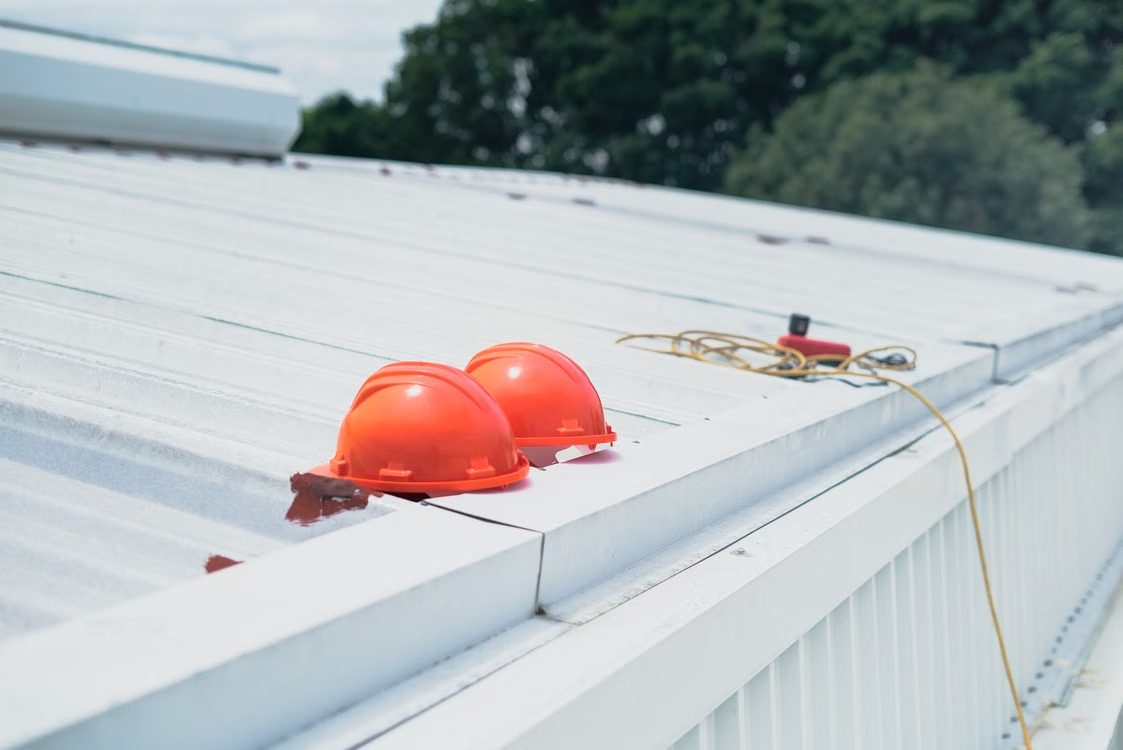
Preparation often determines whether a coating bonds as intended. Roofing professionals need to clean the surface to remove dirt, biological growth, loose coating, oils, rust, or other contaminants. Defects are repaired, fasteners and seams are addressed where necessary, and the substrate may require primer or adhesion testing. Manufacturer instructions govern drying conditions, application rates, reinforcement, recoat windows, and compatible materials.
During application, the weather also matters. Rain, high humidity, surface moisture, and temperature can affect cure time and adhesion for some products. Application crews therefore need to coordinate preparation and coating with the product instructions and the actual roof conditions. A roof that looks ready from the ground may still need detailed work around penetrations, curbs, edges, drains, and transitions before the field coating is applied.
Where Coatings Fit Into a Maintenance Strategy
A coating works best as one part of an ongoing roof management plan rather than as a one-time finish that is ignored afterward. Inspections can track wear, punctures, drainage conditions, movement at details, and areas where maintenance traffic may have damaged the surface. Cleaning may also matter on reflective systems because dirt and biological growth can reduce surface reflectance over time.
The U.S. Environmental Protection Agency notes that light-colored liquid-applied roof coatings are one type of cool-roof product used on low-slope roofs and that periodic maintenance may be needed to keep a roof clean and maintain reflectance. That supports a practical maintenance approach: document the condition after restoration, inspect it at reasonable intervals, and address local defects before they spread. Coating does not remove the need for roof care; it changes what that care should focus on.
Deciding Whether Restoration Makes Sense
A coating decision should compare the condition of the current roof with the work needed to keep it serviceable. If moisture damage, structural concerns, or widespread failure make restoration impractical, roof replacement in St. Petersburg may be the more appropriate option. If the assembly remains suitable, a coating can help protect the surface while postponing unnecessary tear-off.
For businesses evaluating roofing services in Fort Lauderdale, the most useful next step is a documented inspection and a clear explanation of what must be repaired before any coating is applied. At Rhino Commercial Roofing, we inspect commercial roofs and provide coating, maintenance, repair, and replacement options based on the roof’s condition rather than treating one solution as appropriate for every property.
Our elastomeric roof coating service is designed for commercial owners who want to understand whether restoration fits the existing roof. Contact our team to discuss the roof, review its current condition, and determine whether an elastomeric coating belongs in the maintenance plan.