
EPDM has been on commercial buildings longer than almost any other low-slope system still in general use, and longevity like that tells you something. Rubber membrane earned its position by being simple, flexible, and forgiving of the conditions that break more rigid materials. Owners comparing options for flat roofing in Tampa will usually see it quoted alongside thermoplastic alternatives.
This guide covers three practical questions: which buildings suit it, how the material behaves under weather, and what it asks for in return. We install rubber membrane where it is the right answer and something else where it is not. That distinction matters, because a system chosen badly turns into roof leak repair in Sarasota or wherever the building happens to sit. Our EPDM work always starts with an assessment rather than a recommendation.
Building Types Where EPDM Fits Naturally
The system suits some roofs considerably better than others, and the deciding factor is usually how complicated the roof surface is. Sheet width, seam count, and the number of penetrations tell us most of what we need to know before quoting anything.
Large uninterrupted roof fields
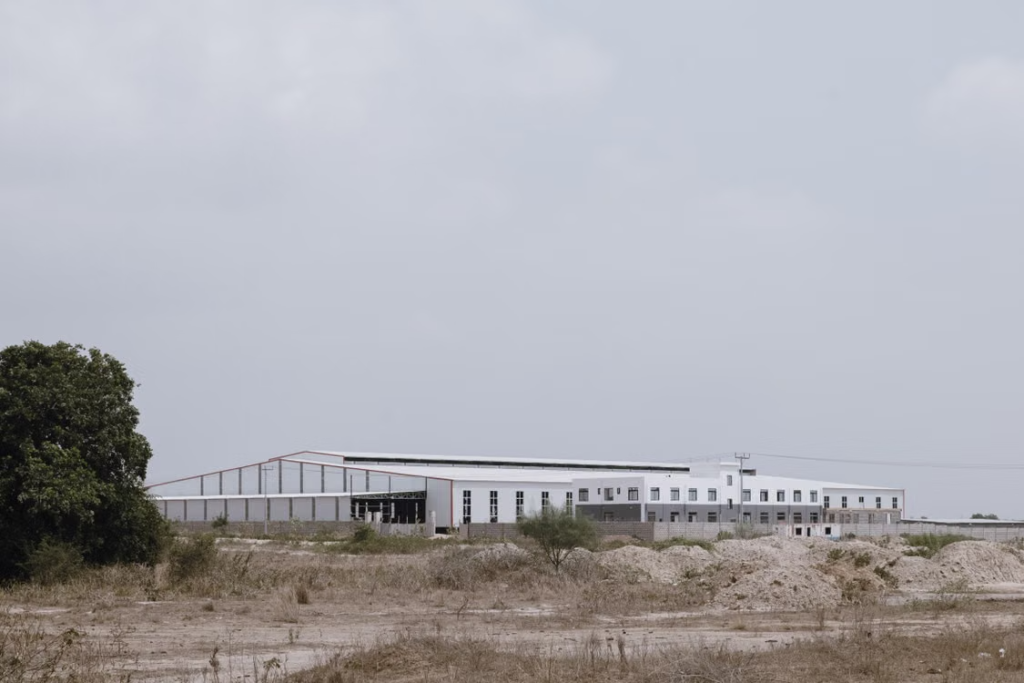
Rubber membrane comes in wide sheets, which means fewer seams across a big open roof. Distribution centers, warehouses, and manufacturing buildings with long clear spans are close to ideal. Fewer seams means fewer points that need attention over the life of the system.
Buildings with limited rooftop equipment
Every penetration adds a detail that has to be flashed and maintained. On a roof carrying dozens of curbs and supports, detailing becomes the dominant cost and the dominant risk. The EPDM Roofing Association publishes application guidance that reflects this, and our own experience matches it: the cleaner the roof field, the stronger the case for rubber.
Weather Resistance and Material Behavior
The material properties explain most of what makes this system durable, and they are worth understanding before comparing quotes. Owners planning roof installation in Tampa should know what they are actually buying rather than trusting a product name.
Flexibility across temperature swings
Rubber stays elastic across a wide temperature range, which matters more than it sounds. A commercial roof expands under afternoon heat and contracts through the night, every single day, for decades. A membrane that flexes with that movement rather than resisting it accumulates far less stress at its seams and terminations.
Weathering resistance is the other half of the picture. The material holds up well against UV exposure and ozone over long periods, which is why so many original installations are still in service. Test standards published by ASTM International underpin how those properties are measured and compared.

Maintenance the System Depends On
No membrane is maintenance-free, and rubber has a specific list. It is short, but skipping it shortens the roof considerably.
Seam and lap inspection
Seams are the working parts of this system, so they get checked first. Adhesive at laps ages differently from the membrane itself, and a lifted edge is far cheaper to reseal than to repair after water has traveled underneath. Terminations at walls and curbs deserve the same attention on the same schedule.
Surface cleaning and drainage checks
Debris on a rubber roof holds moisture against the surface and blocks the drainage paths that keep water moving. Clearing drains and removing accumulated growth takes very little time and prevents a category of problem entirely. Maintenance guidance from the National Roofing Contractors Association is a useful reference for owners setting a schedule.
Neither task needs specialist equipment, which is part of the appeal of this system. What they need is somebody actually doing them on a schedule rather than waiting until a problem announces itself.
Deciding Whether Rubber Membrane Suits the Building
The decision comes down to roof complexity, budget, and how the building will be used over the next twenty years. A roofing contractor in Fort Lauderdale or anywhere else should be walking your roof before naming a system, not after.
We reach for rubber on large, simple roof fields where its strengths are doing real work. On congested roofs with heavy equipment, we usually recommend something that details more easily. Owners looking at flat roofing services in Miami get the same reasoning, and our broader flat roofing work covers whichever system the building actually calls for.
Rhino Commercial Roofing is a family owned, BBB accredited contractor working only on commercial roofs, with over fifty years of combined experience and twenty-four hour emergency response across Florida. Discuss your building with our team, and we will give you a straight answer on whether rubber membrane fits.