
There is no universal winner in this comparison, which is the first thing worth saying. Both systems perform well on the right building and disappoint on the wrong one. We install both, so when an owner asks us about metal roofing in Florida against a single-ply alternative, we are comparing fit rather than defending a preference.
The building usually answers the question before either of us does. Slope, deck type, rooftop equipment, and the intended holding period narrow the field quickly. Owners who approach us for flat roofing services in Miami often find the shortlist is down to one system before preference enters the conversation. Our TPO installation work and our panel work both start from that same assessment.
How Each System Is Built and Fastened
The two systems solve the same problem in structurally different ways. Understanding that difference explains most of what follows.
Single-ply membrane assemblies
A membrane roof is built in layers: deck, insulation, cover board, then a single sheet of thermoplastic material across the top. Individual sheets are heat-welded at the laps, which fuses them into one continuous surface rather than a series of joined pieces. SPRI publishes technical material on single-ply systems for owners who want the specifications behind that construction.
Panel and seam metal assemblies
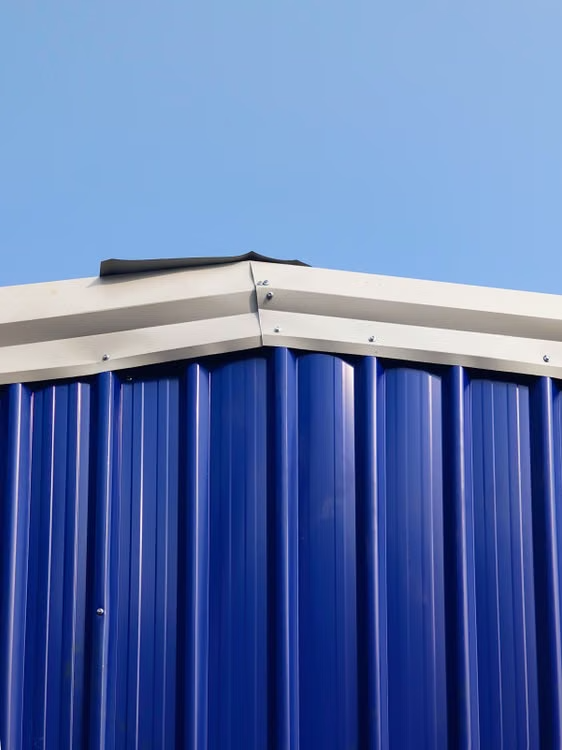
Metal takes the opposite approach. Formed panels run down the slope of the roof and join at raised seams that sit above the water line, so the joint is never the low point. Panels are fixed with clips that let the metal expand and contract without working the fasteners loose.
The practical difference comes down to where each system is vulnerable. A membrane roof depends on the integrity of its welds and its details, because the sheet itself rarely fails out in the field. A panel roof depends on its fasteners and seams holding while the metal moves underneath them. Both are sound approaches, and both fail in predictable places when installation is rushed.
Performance Under Heat, Sun, and Heavy Rain
Florida applies three stresses at once: sustained heat, high UV, and rainfall arriving faster than most drainage was designed for. Both systems handle all three, though not identically. Anyone specifying commercial roofing in Fort Lauderdale or any other coastal market is weighing those factors together rather than separately.
Reflectivity and rooftop surface temperature
A reflective surface lowers rooftop temperature and reduces the cooling load underneath it. Light-colored membrane starts out highly reflective, while metal achieves the same effect through its coating rather than the base material. The ENERGY STAR guidance on cool roofs explains the underlying principle clearly, though the roof products specification itself was withdrawn in 2022, so no product carries that particular certification today.
Reflectivity also degrades differently between the two. Membrane loses some reflectance as it weathers and collects surface dirt, while a coated panel holds its finish longer but eventually needs recoating. Neither is maintenance-free, and both benefit from periodic cleaning.
Water handling differs more than reflectivity does. Membrane is built to stay watertight even where water stands, which matters on roofs with settled drainage or heavy rooftop equipment. Panel systems shed water quickly but rely on adequate slope to do it, and they perform poorly wherever water is allowed to pool against a seam.
Maintenance Demands Over the First Decade
Both systems ask for attention, but they ask for different things. Owners should know which conversation they are signing up for.
Membrane maintenance concentrates on seams, terminations, and penetration details. Those are the points that move, weather, and eventually open up. A scheduled check of those details catches almost everything before it becomes a leak.
Metal maintenance concentrates on fasteners, clips, and sealant at transitions. Panels move daily with temperature, and that movement is what eventually works exposed fasteners loose on the systems that use them. Concealed clip systems reduce that demand considerably, which is one reason they cost more at installation.
Access is the other maintenance factor worth weighing. Membrane tolerates foot traffic reasonably well once walkway pads are installed along service routes. Metal panels are less forgiving of people walking across them, which matters on buildings where technicians visit rooftop equipment every month.
Matching the System to the Building and Its Slope
This is where the comparison usually resolves itself. Slope is the single biggest determinant, and it removes one option from consideration more often than any other factor does.
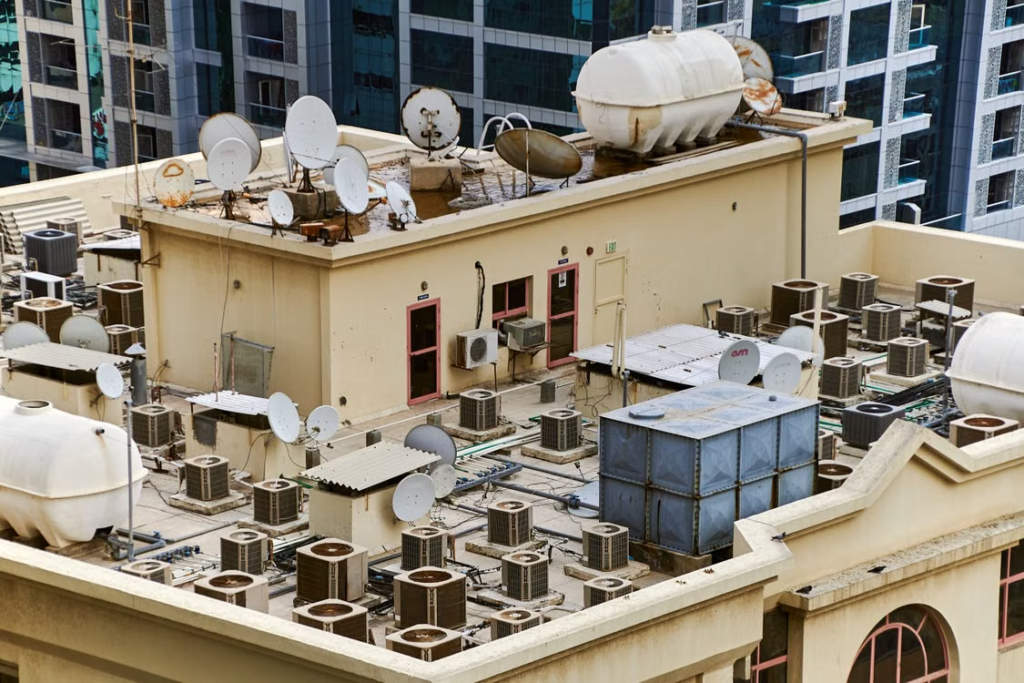
Deck type and rooftop equipment density come next. A roof carrying twenty condenser units and their associated curbs needs a system that details easily around dozens of penetrations, and membrane does that more readily than panels do. A clear roof field with few interruptions opens the choice back up.
Low-slope and flat applications
Below a certain pitch, water sits rather than runs, and a system built around shedding water quickly becomes the wrong tool. Membrane is designed to stay watertight under standing water, which is why it dominates low-slope commercial roofs across the state.
Slope also affects what a warranty will cover. Manufacturers publish minimum pitch requirements for their systems, and installing below those thresholds can void coverage regardless of how good the workmanship was.
Sloped and retrofit applications
Where slope exists, or where a retrofit framework can create it, panel systems become practical and often preferable. Retrofit deserves particular attention because it can upgrade a failing low-slope roof without a full tear-off. The Metal Construction Association publishes material on panel systems and retrofit approaches for owners evaluating that route.
Choosing on Building Requirements Rather Than Reputation
Both systems have advocates who will tell you theirs is the correct answer everywhere. That is a useful signal to be skeptical. A metal roofing contractor in Orlando who never recommends membrane is describing their own capability rather than your building.
We install both, which takes that pressure out of the conversation entirely. TPO and commercial roofing in Tampa suits low-slope buildings with dense rooftop equipment. Our metal roofing work suits sloped buildings and retrofit projects where the existing roof can stay in place.
Rhino Commercial Roofers is a family-owned contractor working exclusively on commercial roofs across Florida, with over fifty years of combined experience and certified installer status with Johns Manville, Versico, MuleHide, and American WeatherStar. Compare both options with our team, and we will tell you which one your building actually calls for.